Menu

Optical Lens: Precision Components for Superior Imaging and Light Manipulation
Release time:
2026-01-06
High-precision optical lens for clear imaging, durable materials, anti-reflective coating, ideal for cameras and scientific devices.
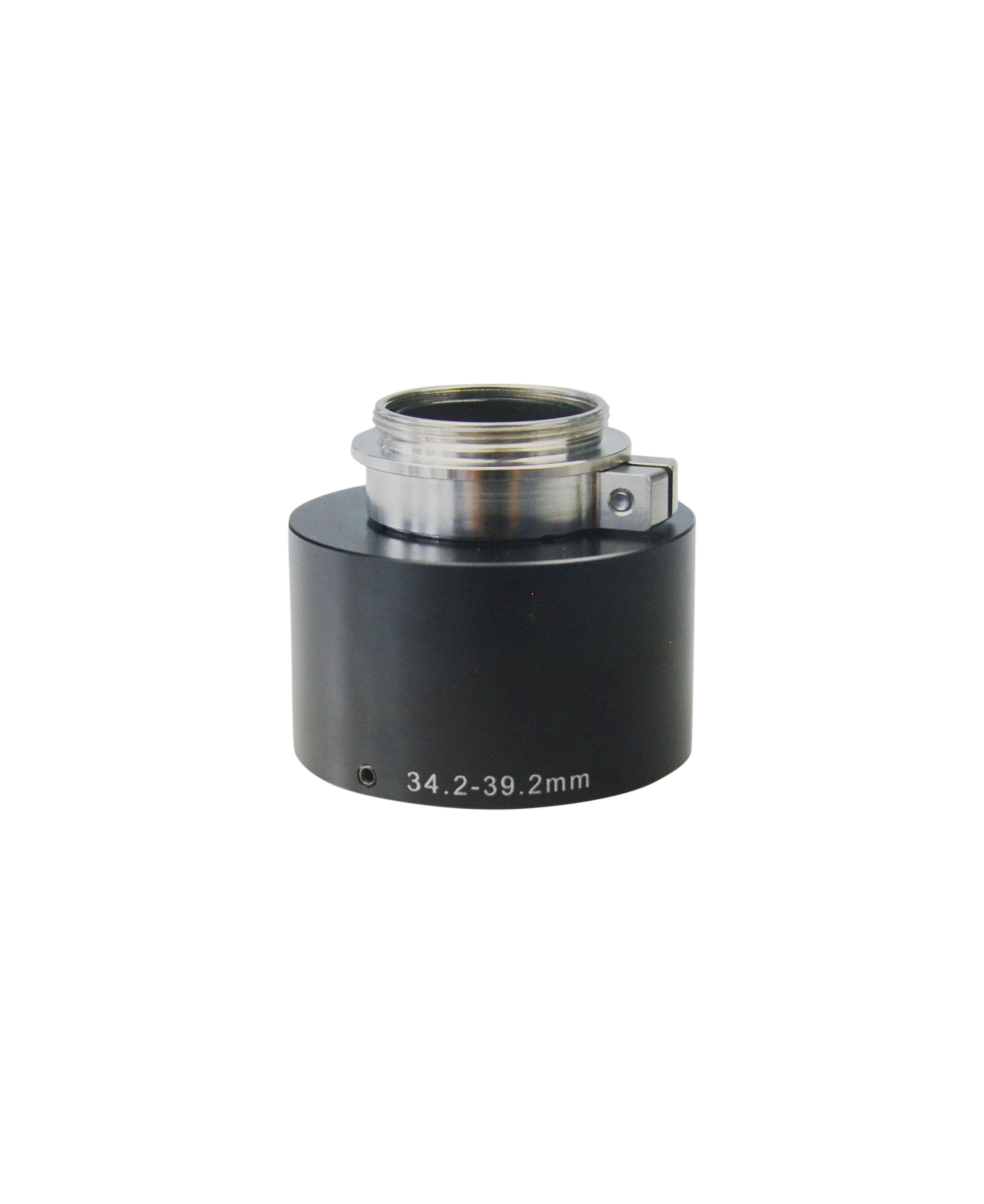
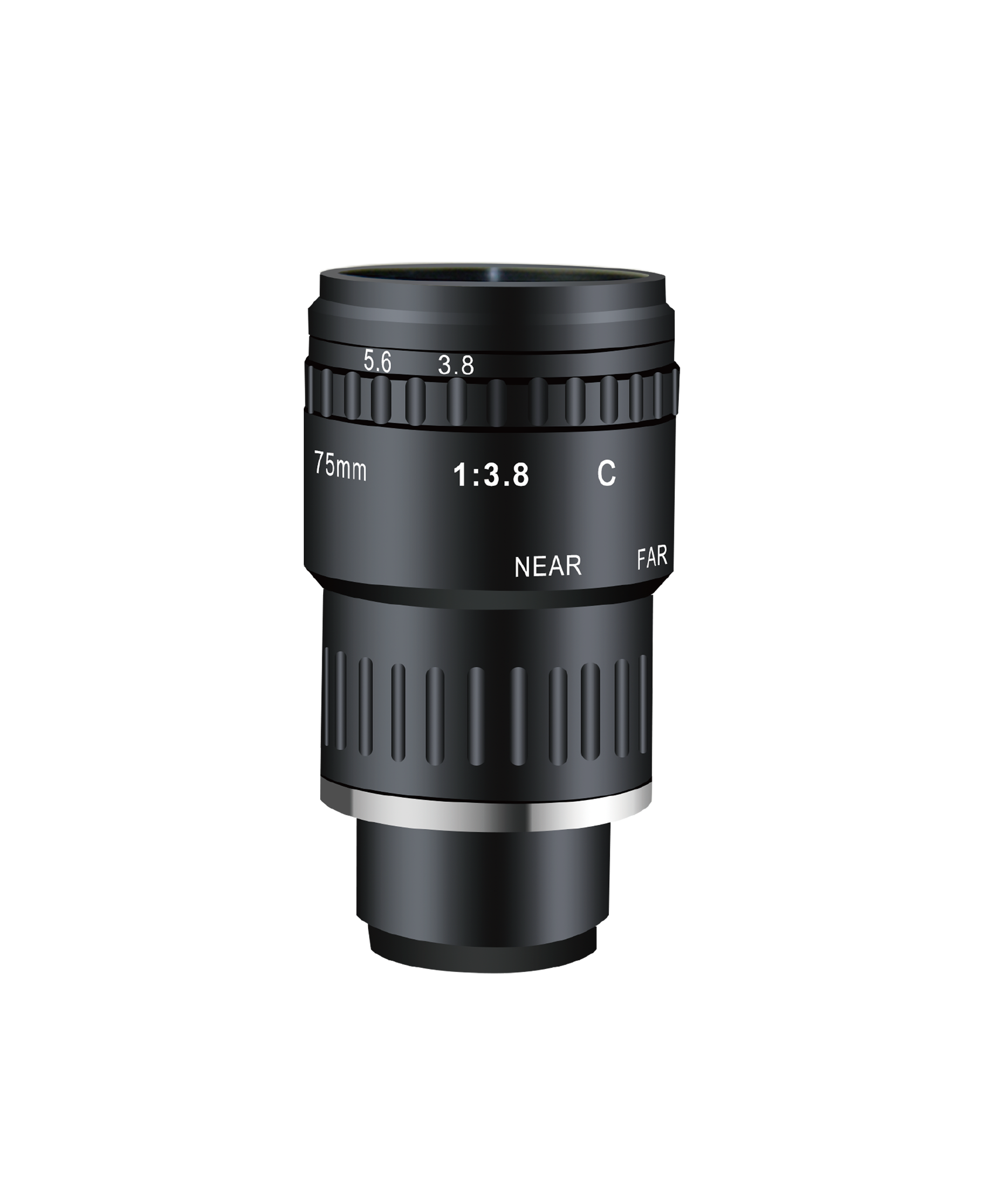
Optical lenses are fundamental components in a wide range of devices and instruments, serving as the backbone of modern imaging and optical systems. Designed to focus, transmit, and manipulate light, optical lenses convert raw light into precise images or signals for scientific, industrial, and consumer applications. Their performance directly influences the clarity, accuracy, and quality of imaging systems, making lens design and manufacturing a critical field within optics and engineering.
High-quality optical lenses are typically made from precision-engineered glass, fused silica, or advanced optical polymers. The choice of material affects key properties such as refractive index, dispersion, and transmission efficiency. Lenses with high refractive indices allow for more compact designs while minimizing chromatic aberration, whereas low-dispersion materials reduce color fringing in high-resolution imaging. Optical polymers, often lighter and more impact-resistant than glass, are increasingly used in applications requiring durability and flexibility, such as wearable optics and portable cameras.
Anti-reflective (AR) coatings are an essential feature of modern optical lenses. By reducing surface reflections, AR coatings enhance light transmission, improve image contrast, and prevent ghosting and glare in imaging systems. Some lenses also incorporate additional coatings for scratch resistance, hydrophobicity, or anti-fog performance, extending their usability in harsh environmental conditions. Multi-layer coating technologies enable precise control over light behavior, ensuring optimal performance across visible and near-infrared spectra.
The design of optical lenses involves meticulous consideration of curvature, focal length, and aperture to achieve the desired optical properties. Convex, concave, plano-convex, plano-concave, and aspheric lens shapes are tailored to specific applications, from simple magnification to complex beam shaping. Advanced computational modeling and ray-tracing techniques are employed to minimize aberrations, optimize light paths, and achieve precise focus. For multi-lens systems, optical designers carefully align and combine lenses to form objective lenses, camera assemblies, telescopes, or microscopes, ensuring high-resolution imaging with minimal distortion.
Optical lenses play a critical role in scientific research and industrial applications. In microscopy, they enable detailed examination of biological specimens, materials, and microstructures. In telescopes and astronomical instruments, lenses collect and focus distant light to reveal celestial objects with high clarity. Camera lenses, both in professional photography and consumer devices, determine image sharpness, depth of field, and color fidelity. In addition, optical lenses are integral to laser systems, spectrometers, sensors, and medical imaging devices, where precision light manipulation is essential for accurate measurement, analysis, and diagnostics.
Durability and reliability are key considerations in optical lens manufacturing. Lenses must maintain optical performance over time despite exposure to mechanical stress, temperature variations, and environmental contaminants. High-quality manufacturing processes, including precision grinding, polishing, and coating application, ensure consistent performance and minimize defects such as surface scratches or internal inclusions. Quality control measures, including interferometric testing and dimensional inspection, verify that each lens meets stringent optical standards.
Emerging technologies continue to expand the capabilities and applications of optical lenses. Aspheric lenses, gradient-index (GRIN) lenses, and custom-shaped optics enable miniaturized, high-performance systems in smartphones, wearable devices, and compact imaging platforms. Adaptive lenses with tunable focus or liquid crystal elements allow dynamic control over optical properties, offering versatility in advanced imaging, machine vision, and augmented reality systems. These innovations illustrate the critical role optical lenses play in driving technological advancement across multiple fields.
Ultimately, optical lenses are more than simple glass components; they are precision-engineered instruments that enable the accurate control and manipulation of light. Their influence extends across scientific discovery, industrial inspection, consumer electronics, and medical imaging, providing clarity, accuracy, and reliability in diverse applications. Investing in high-quality optical lenses ensures superior image quality, consistent performance, and long-term durability, making them indispensable for modern optical systems.
In conclusion, the optical lens represents the intersection of materials science, precision engineering, and optical design. By focusing and directing light with extreme accuracy, optical lenses transform raw photons into meaningful images and measurements, supporting scientific research, technological innovation, and everyday imaging needs. Whether used in cameras, microscopes, telescopes, or advanced optical instruments, high-quality lenses remain fundamental to the advancement of optical technology, delivering unmatched clarity, precision, and performance.

Building No.15, Haixi Hi-Tech Park, Wulongjiang Avenue,
Shangjie Town, Minhou County, Fuzhou, Fujian 350108, P. R. China.

Scan the code
Online Message
Please describe your needs in detail. We will contact you as soon as possible after receiving your message.
Powered by www.300.cn SEO Privacy Notice