Menu

Understanding Laser Welding Lenses: A Key Component for Precision in Optical Applications
Release time:
2026-10-12
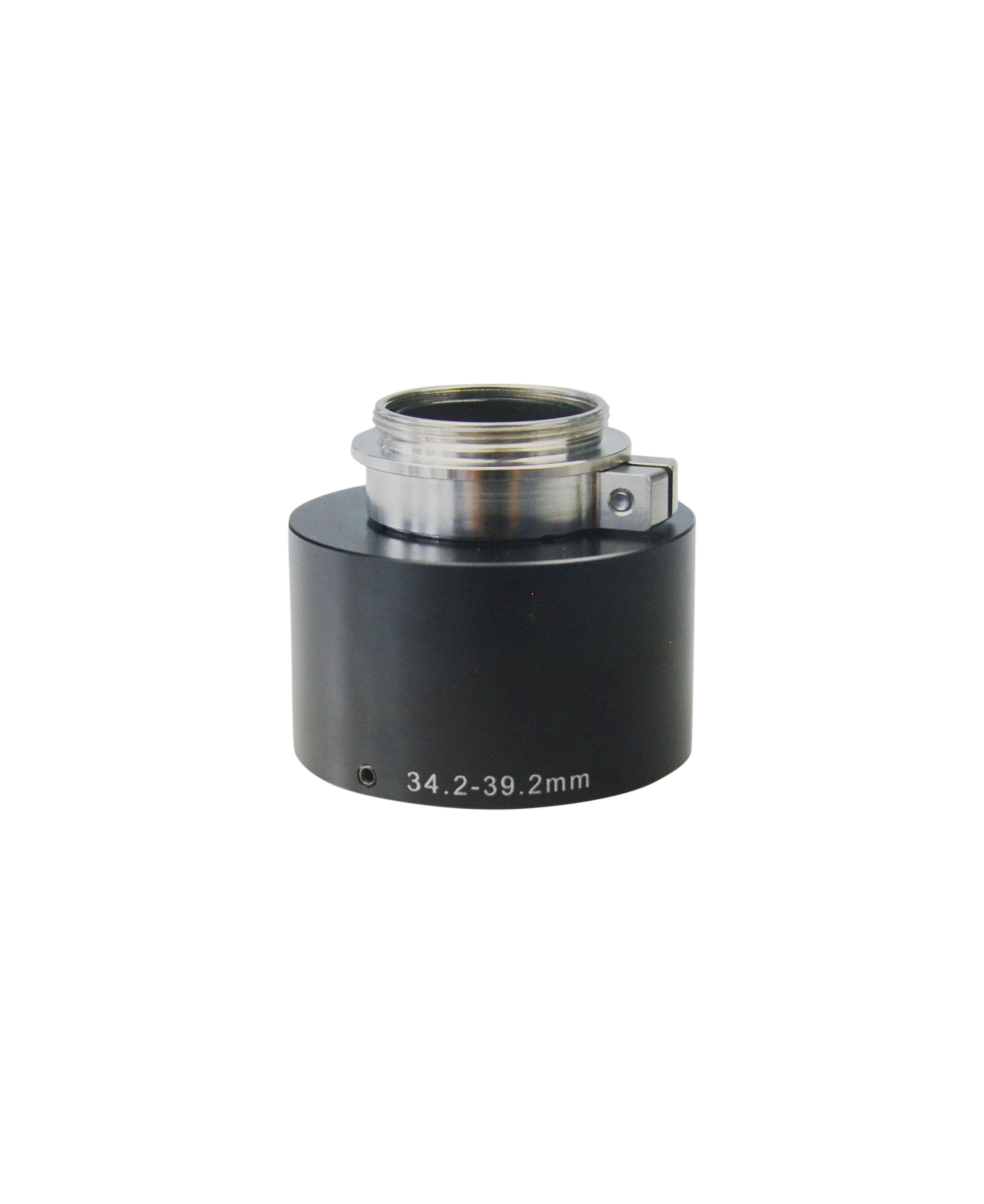
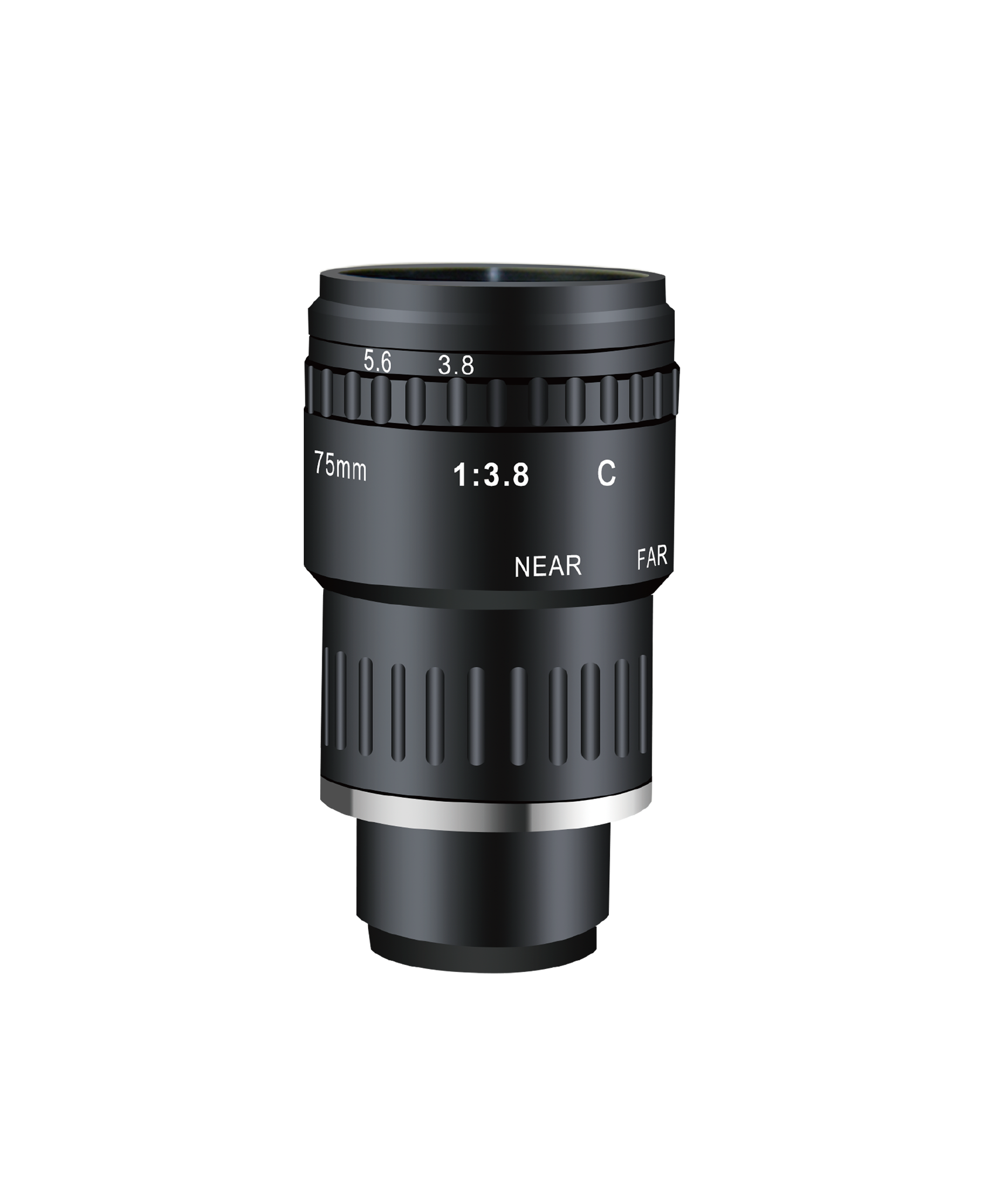
Laser welding lenses play a critical role in modern optical applications, particularly in the field of laser welding. These specialized lenses are designed to focus and direct the laser beam onto the material being welded, ensuring precision and efficiency during the welding process. Understanding the intricacies of laser welding lenses is essential for professionals in the optics industry, especi
One of the most important functions of laser welding lenses is to focus the laser beam to a very small point, which increases the energy density of the beam. This high energy concentration is essential for achieving strong welds in various materials, including metals and plastics. The lens's focal length and diameter significantly affect the beam's characteristics, making it crucial to select the right lens for specific welding applications.
Materials used in the manufacturing of laser welding lenses are typically chosen based on their optical properties and durability. Common materials include glass and specialized plastics, which must withstand the intense heat generated during the welding process. The quality of the lens is paramount, as any imperfections can lead to a diffusion of the laser beam, resulting in a poor-quality weld and potential damage to the workpiece.
Moreover, the design of laser welding lenses is often tailored to accommodate different types of laser systems. For instance, lenses designed for CO2 lasers differ significantly from those meant for fiber lasers, primarily due to variations in wavelength and beam characteristics. As technology progresses, the development of coatings that enhance lens performance—such as anti-reflective and high-damage-threshold coatings—has become increasingly important, allowing for improved results and extended lens lifespan.
In addition to their technical specifications, the correct handling and maintenance of laser welding lenses are vital to ensure their optimal performance. Regular cleaning and careful storage can prevent damage and extend the operational life of these critical components. Users are encouraged to follow manufacturer guidelines for maintenance to preserve the clarity and functionality of the lenses.
In conclusion, laser welding lenses are indispensable in the realm of optical instruments used for welding applications. Their ability to focus and direct laser beams with precision is critical for achieving high-quality welds. For professionals in the industry, a solid understanding of the design, materials, and maintenance of these lenses can lead to more efficient operations and superior results. As the technology continues to evolve, staying informed about advancements in laser welding lens technology will ensure that practitioners can leverage these tools effectively in their work.

Building No.15, Haixi Hi-Tech Park, Wulongjiang Avenue,
Shangjie Town, Minhou County, Fuzhou, Fujian 350108, P. R. China.

Scan the code
Online Message
Please describe your needs in detail. We will contact you as soon as possible after receiving your message.
Powered by www.300.cn SEO Privacy Notice