Menu

Understanding Machine Vision Lenses: Key Factors for Optimal Performance
Release time:
2026-10-06
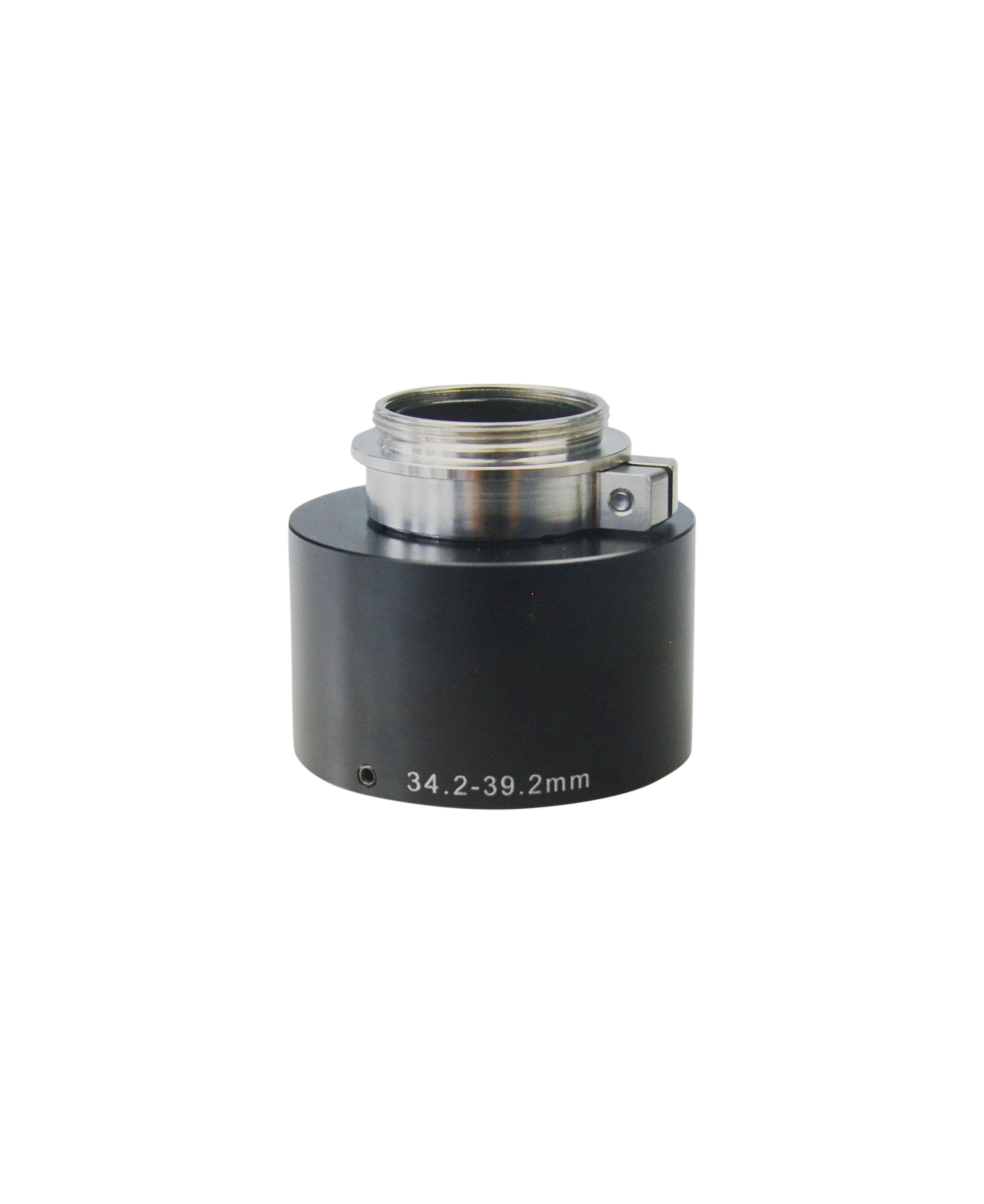
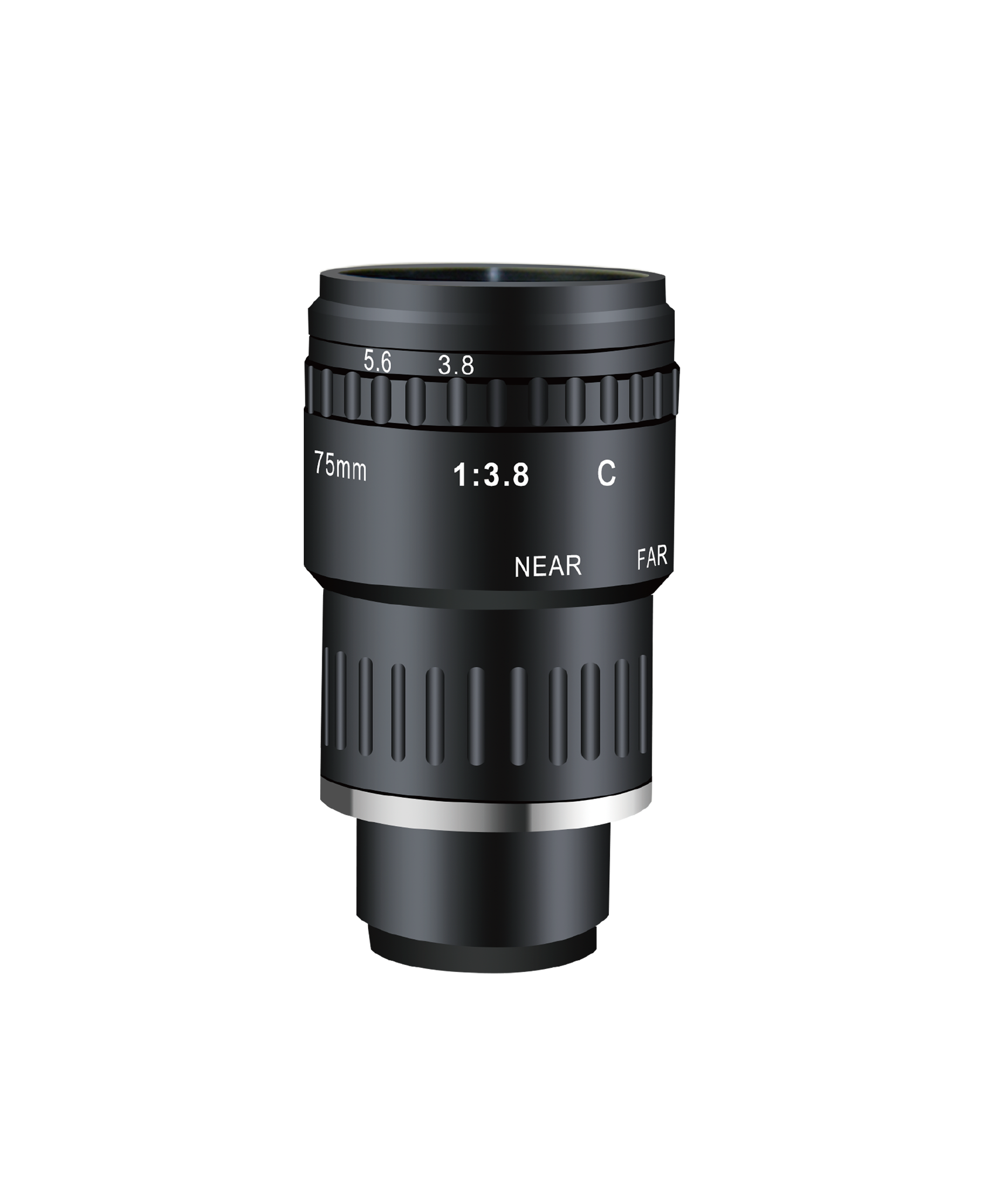
Machine vision lenses are a crucial component in the realm of imaging technologies, particularly in automation, quality control, and various industrial applications. These lenses are specifically designed to capture images with high clarity and precision, making them indispensable for machine vision systems. When considering machine vision lenses, several key factors come into play that can influe
One of the primary considerations when selecting machine vision lenses is the focal length. The focal length determines the magnification and field of view of the captured images. A shorter focal length offers a wider field of view, which is suitable for monitoring large areas, while a longer focal length allows for detailed close-ups of specific objects. Understanding the requirements of your particular application is essential for selecting the appropriate focal length.
Another critical aspect is the lens aperture. The aperture size influences the amount of light entering the lens, which can significantly affect image clarity and depth of field. A larger aperture captures more light, enabling better performance in low-light conditions; however, it may also result in a shallower depth of field. Conversely, a smaller aperture increases depth of field, making it suitable for applications requiring more extensive focus. Balancing these factors according to the environment and objectives of your machine vision system is vital.
Additionally, lens distortion is an important consideration. Machine vision lenses should ideally exhibit minimal distortion to ensure accurate representation of the subject. Distortion can lead to measurement errors and affect overall image quality. When selecting lenses, reviewing specifications for distortion and testing samples can help ensure that you are choosing a product that meets your operational standards.
Furthermore, the compatibility of machine vision lenses with imaging sensors is crucial. Different sensors have varying pixel sizes and resolutions, which can impact the performance of the lens. Ensuring that the lens matches the specifications of your sensor system can prevent issues related to image quality and resolution.
Lastly, environmental factors should not be overlooked. Depending on the application, machine vision lenses may need to withstand varying conditions, such as humidity, temperature, and exposure to dust or chemicals. Selecting lenses with appropriate protective features can prolong their lifespan and maintain consistent performance.
In conclusion, machine vision lenses play a pivotal role in the efficacy of imaging systems. By carefully considering factors such as focal length, aperture size, distortion, sensor compatibility, and environmental resilience, you can optimize the performance of your machine vision applications. Investing time in understanding these components will lead to improved accuracy and efficiency in your imaging tasks.

Building No.15, Haixi Hi-Tech Park, Wulongjiang Avenue,
Shangjie Town, Minhou County, Fuzhou, Fujian 350108, P. R. China.

Scan the code
Online Message
Please describe your needs in detail. We will contact you as soon as possible after receiving your message.
Powered by www.300.cn SEO Privacy Notice