Menu

The Essentials of Ultraviolet Optics: Understanding Applications and Technologies
Release time:
2026-09-24
Ultraviolet optics refers to the technology and materials used to manipulate ultraviolet (UV) light, which has wavelengths shorter than visible light but longer than X-rays, typically ranging from 10 nm to 400 nm. This area of optics plays a crucial role in a variety of applications, including spectroscopy, photolithography, and biomedical imaging. Understanding the principles and components of ul
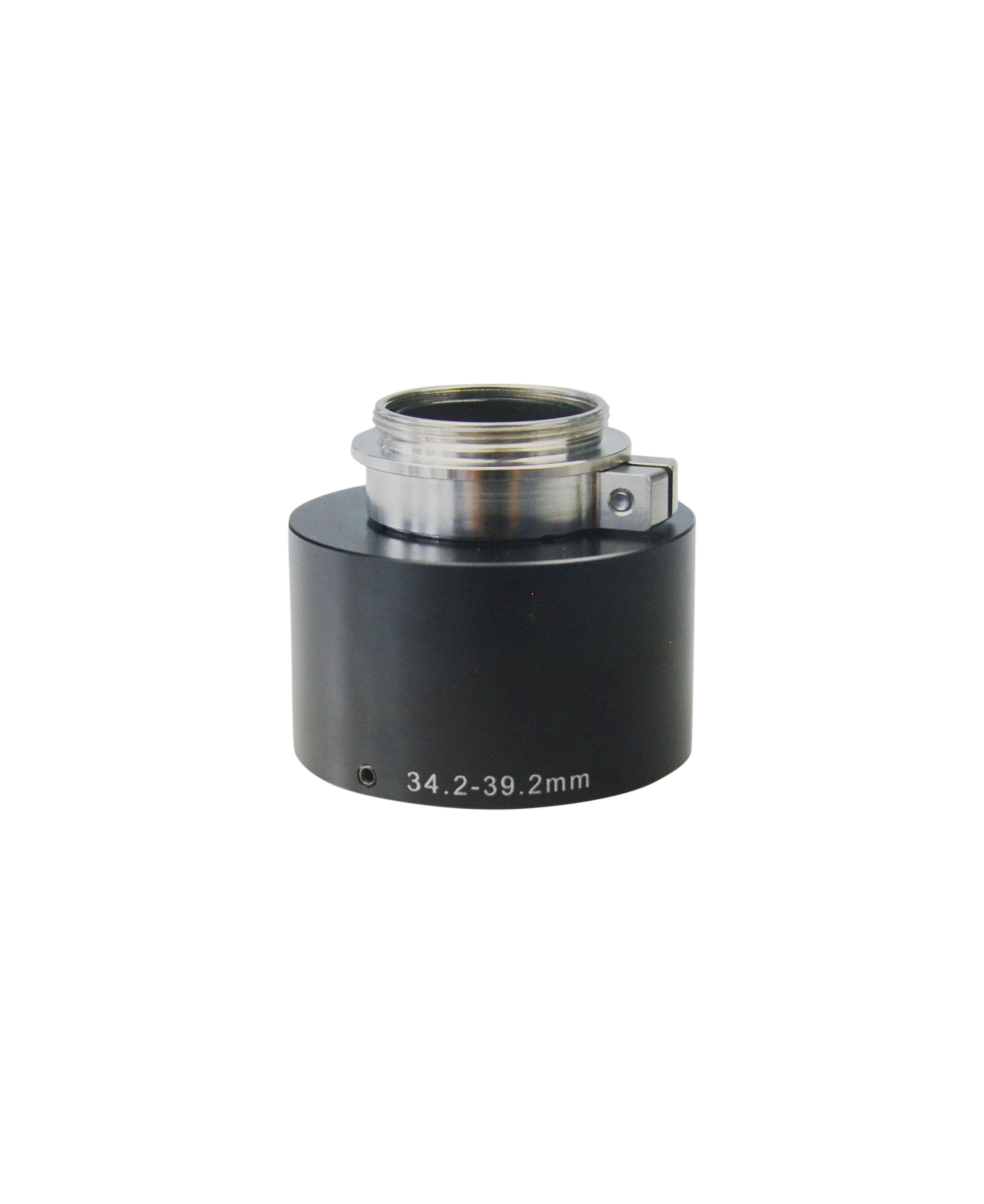
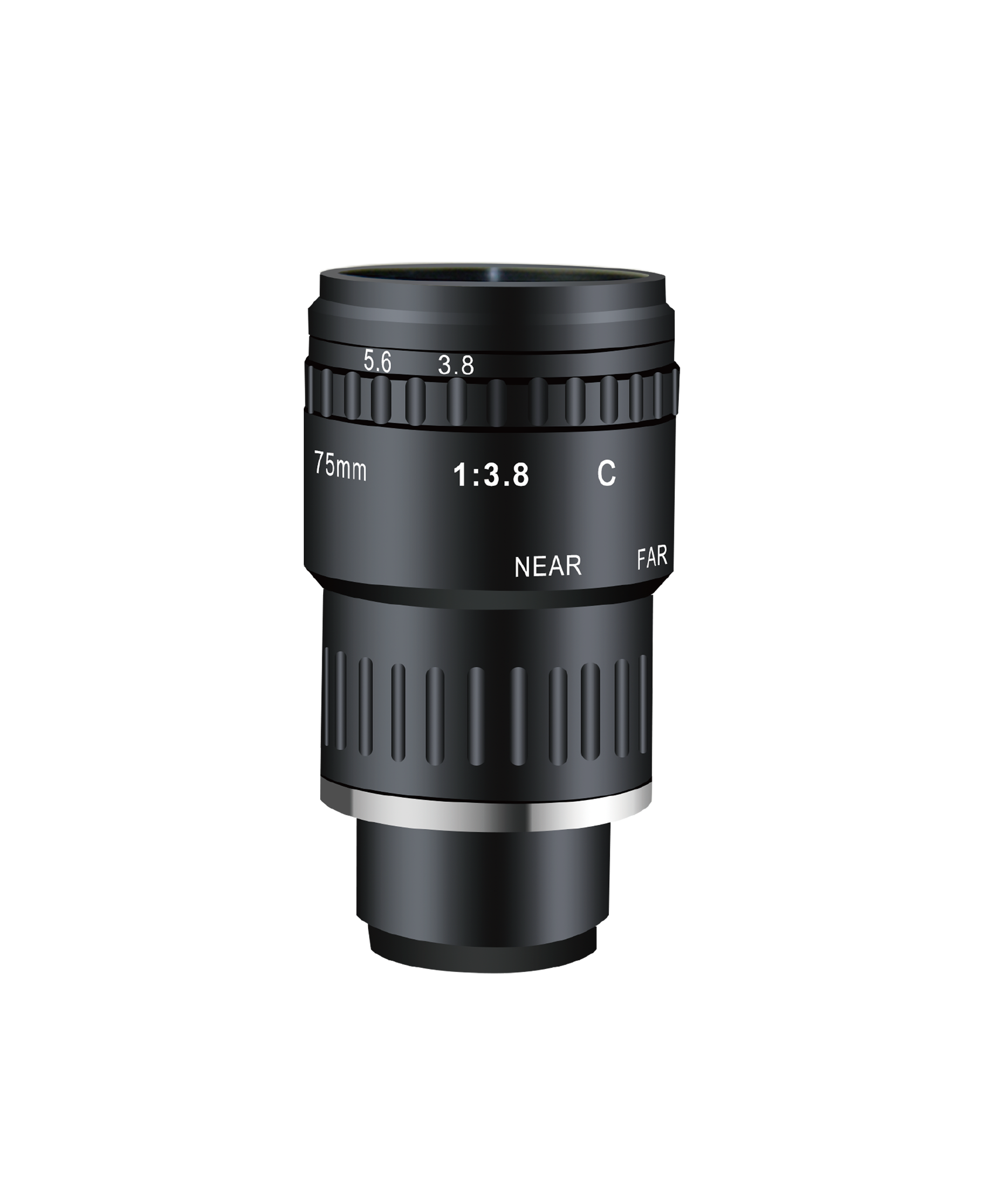
One of the key components in ultraviolet optics is the optics themselves, which may include lenses, mirrors, and filters designed specifically for UV light. These optical elements are made from materials that have high transmission rates in the UV spectrum, such as quartz, fused silica, and specialized coatings. Unlike standard optical glass, which can absorb UV light, these materials ensure minimal loss of intensity and distortion of the UV signals.
The applications of ultraviolet optics are far-reaching. In the field of spectroscopy, UV light is used to analyze the chemical composition of substances. By measuring the absorption spectra of materials in the UV range, scientists can identify and quantify different compounds. This technique is widely used in environmental monitoring, pharmaceuticals, and food safety.
In photolithography, ultraviolet optics are key to the production of microelectronics. UV light is used to expose photoresist materials on semiconductor wafers, allowing for the precise patterning of integrated circuits. The advancement of UV optics has facilitated the development of smaller and more efficient electronic components.
Biomedical imaging is another area where ultraviolet optics has made significant contributions. UV light can be used for fluorescence microscopy, enabling researchers to visualize biological samples at the cellular and molecular levels. By tagging specific proteins or nucleic acids with fluorescent markers, scientists can observe interactions and functions within living cells, providing valuable insights into biological processes.
When working with ultraviolet optics, it is crucial to consider the potential hazards associated with UV radiation. Proper safety measures, such as protective eyewear and shielding, should be implemented to minimize exposure to UV light, which can cause skin burns and eye injuries.
In conclusion, ultraviolet optics is a vital field that underpins numerous technological advancements in various industries. By leveraging the properties of UV light and utilizing specialized optical components, professionals can improve the performance and capabilities of their instruments. As research continues to evolve, the applications of ultraviolet optics are expected to expand further, unlocking new possibilities in science and technology. Understanding the fundamentals of UV optics will equip professionals with the knowledge needed to harness its full potential in their respective fields.

Building No.15, Haixi Hi-Tech Park, Wulongjiang Avenue,
Shangjie Town, Minhou County, Fuzhou, Fujian 350108, P. R. China.

Scan the code
Online Message
Please describe your needs in detail. We will contact you as soon as possible after receiving your message.
Powered by www.300.cn SEO Privacy Notice