Menu

Unlocking the Power of Machine Vision Lenses: Essential Insights for Digital Imaging
Release time:
2026-09-06
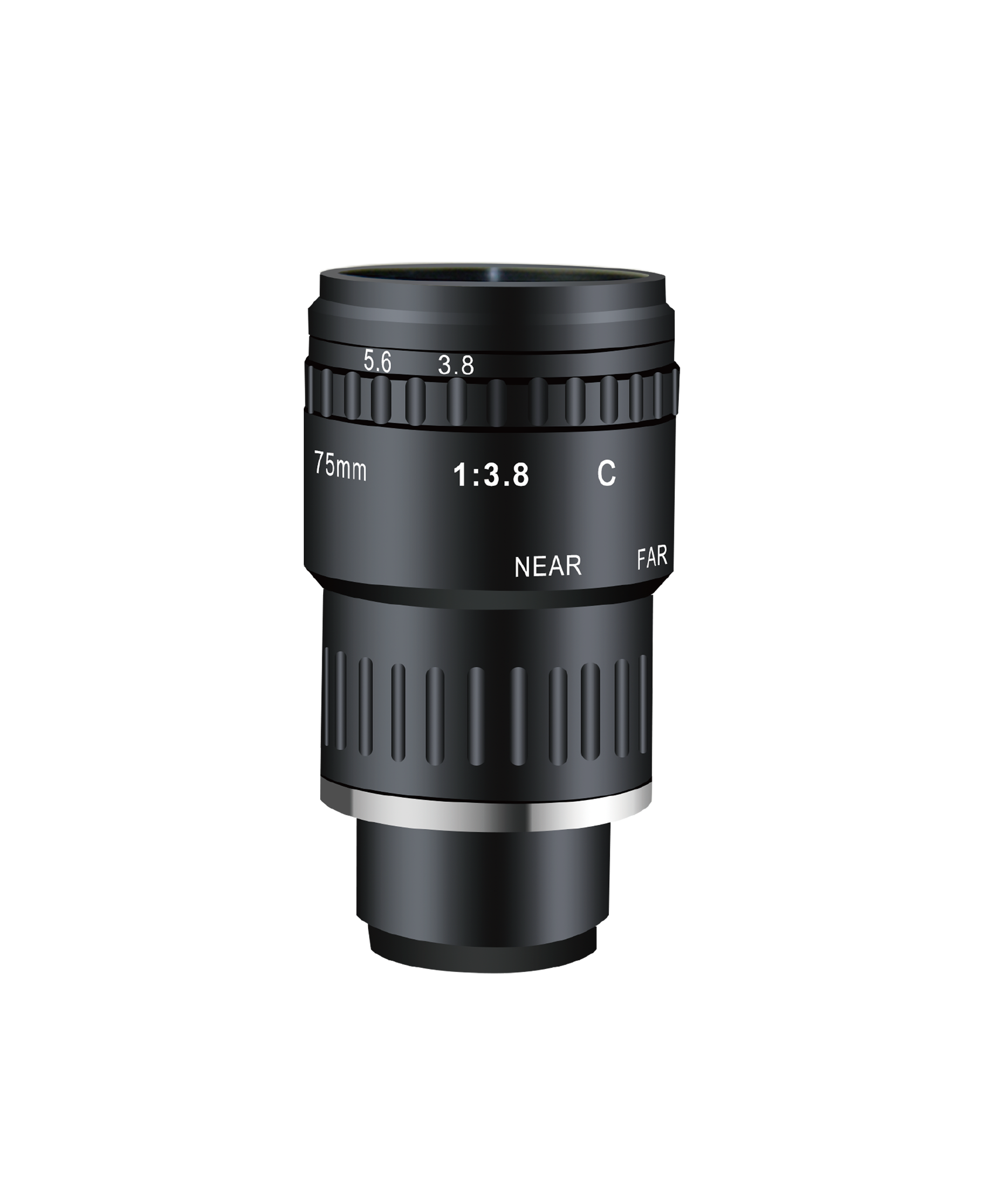
Machine vision lenses are a critical component in the realm of digital imaging, particularly for industries that rely on automated systems for inspection, measurement, and guidance. These specialized lenses are designed to enhance the performance of cameras used in machine vision applications, ensuring clarity and precision in image capture. Below, we delve into the essential aspects of machine vi
One of the primary features of machine vision lenses is their ability to provide high-resolution images with exceptional contrast and minimal distortion. This is particularly important in applications where minute details need to be analyzed, such as in quality control processes. High-performance lenses enable cameras to capture detailed images that facilitate accurate inspections and measurements, enhancing overall productivity.
Focusing capabilities play a crucial role in machine vision lenses. Many models offer precise focusing mechanisms that allow for quick adjustments, ensuring that images are captured at the optimal sharpness. This feature is especially beneficial in dynamic environments where the distance between the lens and the subject can change. Furthermore, some machine vision lenses are designed with fixed focal lengths, while others have variable focal lengths, providing versatility depending on the specific needs of the application.
Another important aspect to consider is the field of view (FOV). Machine vision lenses come in various FOV options, which determine how much of the scene can be captured at once. A wider FOV is ideal for applications requiring a large area to be captured, while a narrower FOV may be suitable for detailed examinations of smaller objects. Understanding the FOV required for your application is key in selecting the right lens.
Additionally, machine vision lenses often feature robust construction to withstand the rigors of industrial environments. Many are designed to be resistant to dust, vibration, and temperature fluctuations, ensuring longevity and reliable performance. This durability is essential in maintaining consistent image quality over time, reducing the need for frequent replacements.
Compatibility is another consideration when selecting machine vision lenses. It's important to ensure that the chosen lens is compatible with the camera system you are using. Different mounting types and formats can affect the performance and quality of the images captured, so thorough research and matching specifications is essential.
In summary, machine vision lenses are vital components that significantly enhance the capabilities of digital imaging systems across various industries. With their high-resolution capabilities, precise focusing, varied fields of view, robust construction, and compatibility options, they serve to improve efficiency and accuracy in automated processes. Whether you're involved in manufacturing, quality control, or any other field that relies on machine vision technology, understanding these lenses can empower you to make informed decisions that enhance your operational effectiveness.


Building No.15, Haixi Hi-Tech Park, Wulongjiang Avenue,
Shangjie Town, Minhou County, Fuzhou, Fujian 350108, P. R. China.

Scan the code
Online Message
Please describe your needs in detail. We will contact you as soon as possible after receiving your message.
Powered by www.300.cn SEO Privacy Notice