Menu

Unlocking the Power of Machine Vision Lenses: A Comprehensive Guide
Release time:
2026-07-08
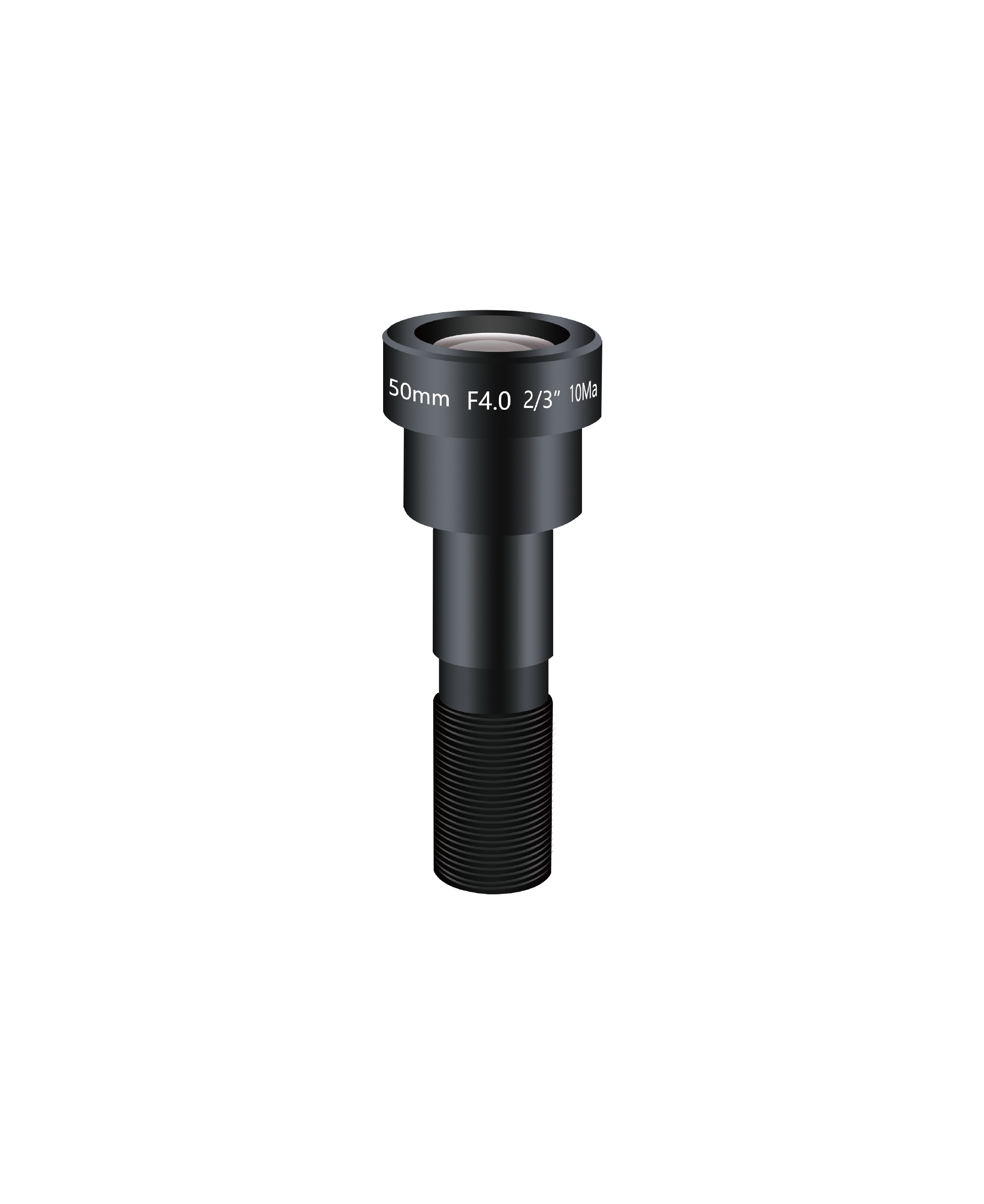
Machine vision lenses play a vital role in the realm of computer vision, enabling machines to interpret and analyze visual information effectively. These specialized lenses are designed to meet the rigorous demands of industrial imaging applications, where clarity and precision are paramount. Understanding the intricacies of machine vision lenses can significantly enhance the performance of imagin
One of the fundamental features of machine vision lenses is their ability to provide high-resolution images. Unlike standard camera lenses, machine vision lenses are engineered to minimize optical aberrations and distortions, ensuring that images retain their sharpness even at various focal lengths. This capability is essential in applications such as barcode reading, where precise detail is crucial for accurate data capture.
Machine vision lenses come in various types, each tailored to specific applications. For instance, fixed focal length lenses are commonly used in applications that require consistent focus and high image quality. On the other hand, zoom lenses offer flexibility, allowing users to adjust the focal length without changing the lens itself. This adaptability makes them ideal for scenarios where the distance to the subject varies significantly.
Another aspect to consider when selecting machine vision lenses is the lens mount. Common mounts include C-mount and F-mount, which determine compatibility with different camera systems. Choosing the correct mount ensures optimal performance and ease of integration within existing setups.
The working distance is another critical factor in machine vision lens selection. It refers to the distance between the lens and the subject being imaged. Different applications may require varying working distances, and understanding this parameter helps ensure adequate lighting and focus.
Additionally, lens resolution and sensor size must be matched appropriately. A high-resolution lens paired with a smaller sensor may not deliver the expected image quality, as the sensor's limitations can hinder performance. Therefore, it's essential to consider the specifications of both components to achieve the best results.
Machine vision lenses also come with various coatings that enhance performance by reducing glare and reflections. Anti-reflective coatings can significantly improve image quality, particularly in environments with bright lighting or challenging visibility conditions.
In conclusion, machine vision lenses are indispensable tools in the world of computer vision, contributing to the efficiency and accuracy of automated systems. By understanding their features, types, and applications, users can make informed decisions that enhance imaging performance in their specific fields. Whether in manufacturing or advanced robotics, the right machine vision lens can unlock new possibilities and improve operational efficiency.


Building No.15, Haixi Hi-Tech Park, Wulongjiang Avenue,
Shangjie Town, Minhou County, Fuzhou, Fujian 350108, P. R. China.

Scan the code
Online Message
Please describe your needs in detail. We will contact you as soon as possible after receiving your message.
Powered by www.300.cn SEO Privacy Notice