Menu

Understanding Laser Welding Lenses: Essential Insights for Optics Professionals
Release time:
2026-06-14
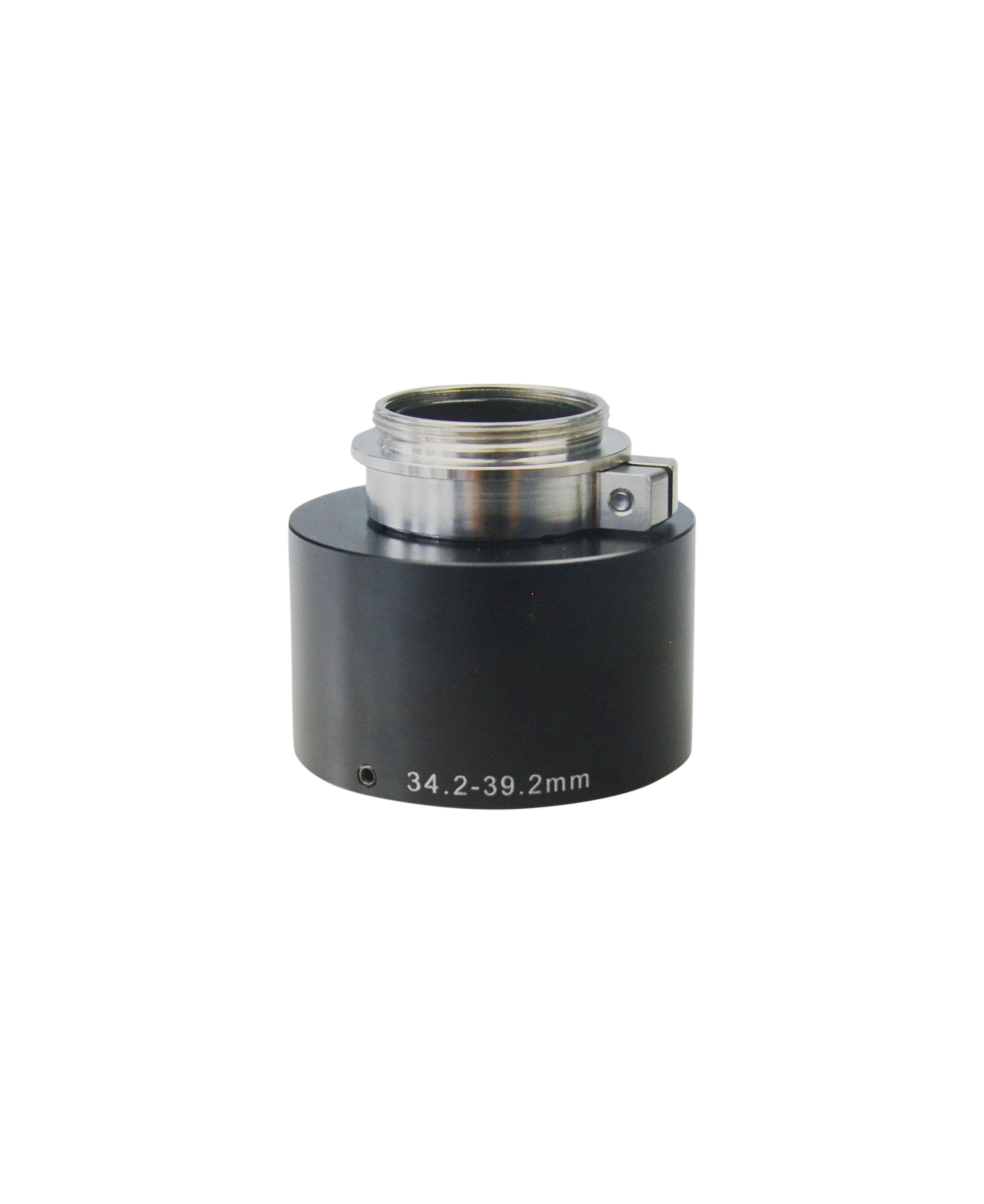
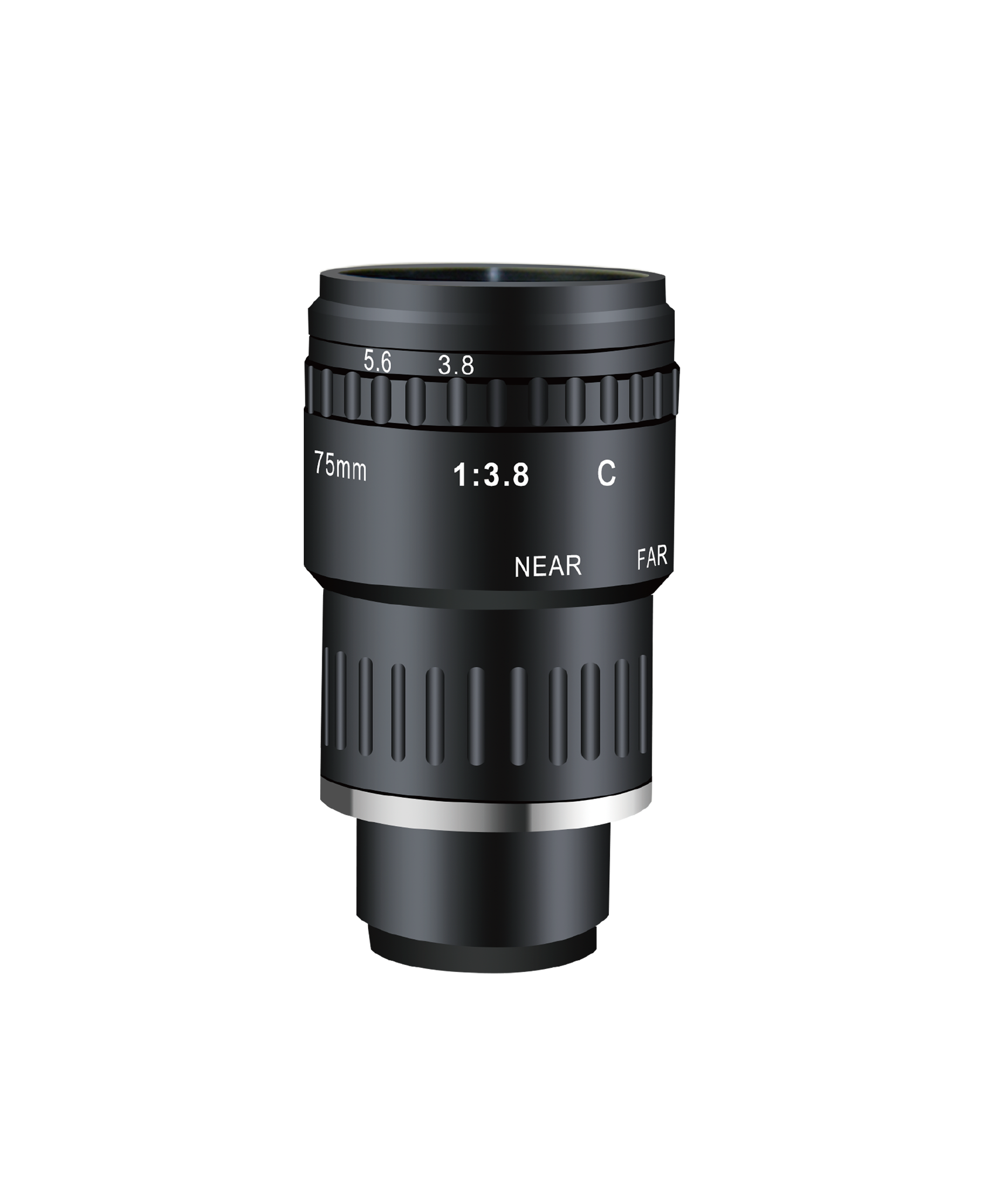
Laser welding lenses are critical components in the field of optics, particularly for applications involving laser technology. These specialized lenses play a vital role in focusing and directing laser beams, which are essential for efficient and precise welding processes. Understanding laser welding lenses involves recognizing their types, functions, and the factors that influence their performan
Firstly, laser welding lenses are designed to concentrate laser light onto specific areas, enhancing the energy density and enabling effective welding of materials. Commonly used in industries such as manufacturing and automotive, these lenses are engineered to withstand high temperatures and prevent distortion during operation. Their ability to focus laser energy accurately is crucial for achieving clean and consistent welds, reducing the likelihood of defects.
There are several types of laser welding lenses, including plano-convex, aspheric, and telecentric lenses. Each type serves a unique purpose based on the specific requirements of the welding application. Plano-convex lenses are typically used for standard welding processes due to their straightforward design and effectiveness in focusing laser beams. Aspheric lenses, on the other hand, are designed to minimize optical aberrations, making them ideal for high-precision applications. Telecentric lenses are utilized in scenarios where consistent size and shape of the laser spot are critical, ensuring uniformity across the welded area.
When selecting laser welding lenses, several factors must be considered to optimize their performance. The wavelength of the laser, the working distance, and the desired focal spot size are essential parameters that impact the effectiveness of the lens. Additionally, the material and coating of the lens are crucial for durability and performance. For instance, anti-reflective coatings can enhance the transmission efficiency of the lens, allowing more laser energy to be utilized during the welding process.
Maintenance and care for laser welding lenses are also key to prolonging their lifespan and ensuring optimal performance. Regular cleaning with appropriate materials is necessary to remove any contaminants that may affect laser transmission. It's advisable to follow manufacturer guidelines for cleaning and maintenance to prevent damage to the lenses.
In summary, laser welding lenses are indispensable tools in the optics industry, facilitating precise and efficient welding operations. By understanding their functions, types, and essential criteria for selection and maintenance, professionals can enhance their welding processes and achieve superior results. Knowledge of laser welding lenses not only aids in improving operational efficiency but also contributes to the overall quality of welded products.

Building No.15, Haixi Hi-Tech Park, Wulongjiang Avenue,
Shangjie Town, Minhou County, Fuzhou, Fujian 350108, P. R. China.

Scan the code
Online Message
Please describe your needs in detail. We will contact you as soon as possible after receiving your message.
Powered by www.300.cn SEO Privacy Notice