Menu

The Future of Automation: How Machine Vision Lenses Drive Innovation
Release time:
2026-05-24
The Future of Automation: How Machine Vision Lenses Drive Innovation Table of Contents Introduction to Machine Vision Lenses and Automation What Are Machine Vision Lenses? The Importance of Machine Vision in Automation Applications of Machine Vision Lenses in Various Industries Future Trends in Machine Vision Technology Benefits of Utilizing Machine Vision Lenses Chall
The Future of Automation: How Machine Vision Lenses Drive Innovation
Table of Contents
- Introduction to Machine Vision Lenses and Automation
- What Are Machine Vision Lenses?
- The Importance of Machine Vision in Automation
- Applications of Machine Vision Lenses in Various Industries
- Future Trends in Machine Vision Technology
- Benefits of Utilizing Machine Vision Lenses
- Challenges in Adopting Machine Vision Technology
- Conclusion
- Frequently Asked Questions
Introduction to Machine Vision Lenses and Automation
In the era of digital transformation, **automation** has emerged as a pivotal force reshaping industries. Among the myriad technologies fueling this change, **machine vision lenses** play a crucial role in enhancing operational efficiency and precision. As we delve deeper into this dynamic field, it becomes evident that the integration of machine vision technologies is not merely a trend; it is an essential catalyst driving innovation across diverse sectors.
What Are Machine Vision Lenses?
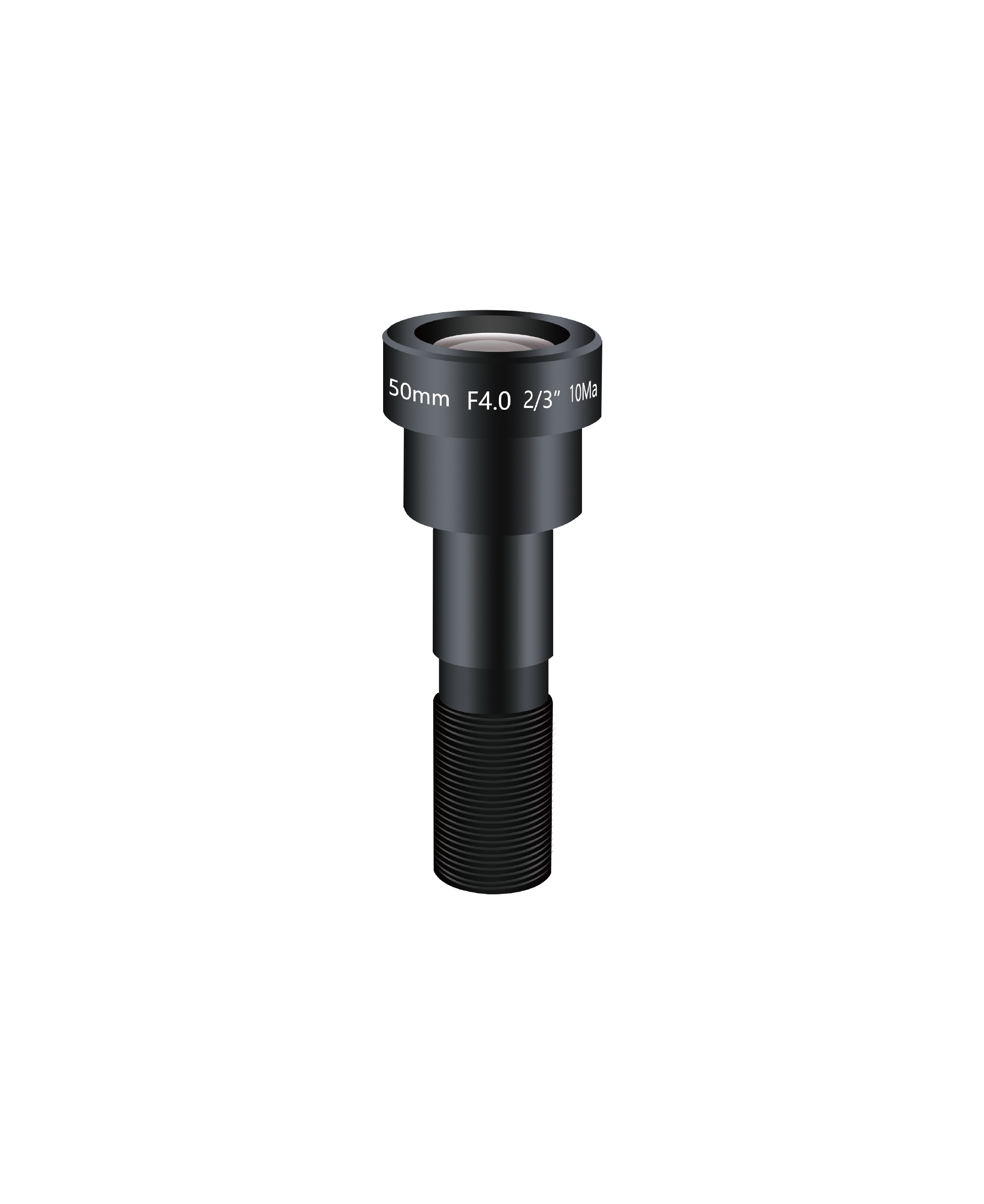
**Machine vision lenses** are specialized optical devices designed to capture images for automated systems. Unlike conventional camera lenses, these devices are tailored to meet the unique requirements of industrial applications, enabling precise measurements and inspections. Their features often include high resolution, low distortion, and optimized focal lengths, making them indispensable in various automation scenarios.
Key Features of Machine Vision Lenses
1. **Resolution**: High-resolution capabilities ensure that the tiniest details are captured, facilitating accurate inspections.
2. **Distortion Control**: Minimizing distortion is crucial in industrial applications to maintain the integrity of the image.
3. **Manufacturing Quality**: Built to withstand industrial environments, machine vision lenses offer durability and reliability.
The Importance of Machine Vision in Automation
Machine vision serves as the eyes of automated systems, empowering them to perform tasks that require human-like perception. In manufacturing, for instance, the integration of machine vision can lead to enhanced quality control, reduced labor costs, and increased production speeds. By harnessing the power of machine vision lenses, companies can achieve remarkable improvements in their operational processes.
Enhancing Quality Control
Automated quality control is one of the most significant applications of machine vision. These lenses enable systems to inspect products at high speeds, identifying defects that human inspectors might miss. This capability not only boosts product quality but also enhances customer satisfaction.
Improving Operational Efficiency
Automation powered by machine vision reduces the need for manual labor in repetitive tasks. By streamlining processes, companies can optimize resource allocation and minimize human error, leading to significant cost savings.
Applications of Machine Vision Lenses in Various Industries
Machine vision lenses have found applications across a range of industries, each benefiting from their unique capabilities.
Manufacturing
In manufacturing, machine vision systems equipped with specialized lenses are used to monitor production lines, perform quality checks, and guide robotic arms. These systems ensure that every product meets stringent quality standards.
Healthcare
In healthcare, **machine vision technology** is revolutionizing diagnostics. High-resolution imaging systems equipped with machine vision lenses assist in analyzing medical images, facilitating accurate and timely diagnoses.
Aerospace
The aerospace industry utilizes machine vision for inspecting components to ensure safety and compliance. Specialized lenses enable the detection of flaws in materials that could compromise aircraft integrity.
Automotive
In the automotive sector, machine vision systems aid in the assembly process, ensuring that parts fit together correctly. They also assist in inspecting vehicle surfaces for defects before final delivery.
Future Trends in Machine Vision Technology
As technology continues to advance, several trends are on the horizon for machine vision lenses and systems.
Integration with AI
The integration of **artificial intelligence (AI)** with machine vision technology is set to enhance image recognition capabilities. AI algorithms can analyze images more intelligently, identifying patterns and anomalies with greater accuracy.
Increased Use of 3D Imaging
3D imaging is gaining traction in various fields, offering a more comprehensive view of objects. As machine vision lenses evolve, the incorporation of 3D capabilities will enhance depth perception and accuracy in inspections.
More Compact and Versatile Designs
Future machine vision lenses will likely be more compact, making them suitable for a wider range of applications, including those in limited spaces.
Benefits of Utilizing Machine Vision Lenses
The advantages of adopting machine vision lenses in automation systems are manifold.
Cost Efficiency
The use of machine vision technology significantly reduces labor costs and minimizes human error, resulting in substantial financial savings for businesses.
Enhanced Accuracy and Precision
Machine vision systems provide unparalleled accuracy in inspections and measurements, ensuring high-quality products and services.
Increased Production Speed
By automating inspection processes, companies can significantly increase their production rates, leading to faster time-to-market for products.
Improved Safety
Automated systems equipped with machine vision technology can perform hazardous tasks, reducing workplace accidents and improving overall safety.
Challenges in Adopting Machine Vision Technology
Despite the numerous benefits, several challenges exist when adopting machine vision technology.
High Initial Investment
The initial cost of implementing machine vision systems can be a barrier for many organizations, particularly small and medium-sized enterprises.
Technical Expertise Requirements
Effective implementation and maintenance of machine vision systems require a level of technical expertise that may not be readily available in all organizations.
Integration with Existing Systems
Integrating new machine vision systems with existing equipment and processes can pose challenges, requiring careful planning and execution.
Conclusion
**Machine vision lenses** are at the forefront of automation, delivering significant advancements in various industries. As companies increasingly recognize the transformative power of this technology, the future looks bright for **machine vision systems**. By enhancing quality control, improving operational efficiency, and driving innovation, machine vision lenses will continue to shape the landscape of automation, paving the way for a smarter, more efficient world.
Frequently Asked Questions
What are the primary functions of machine vision lenses?
Machine vision lenses are designed to capture high-quality images for automated inspection, measurement, and guidance tasks in various industrial applications.
How do machine vision lenses improve quality control?
By providing high-resolution imaging and accurate measurements, machine vision lenses enable automated systems to detect defects in products during the manufacturing process.
What industries benefit most from machine vision technology?
Industries such as manufacturing, healthcare, aerospace, and automotive extensively utilize machine vision technology for quality control, diagnostics, and inspection.
What are the future trends in machine vision technology?
Key future trends include the integration of AI, increased use of 3D imaging, and the development of more compact and versatile machine vision lens designs.
What challenges do companies face when adopting machine vision systems?
Companies may encounter high initial costs, the need for technical expertise, and integration challenges with existing systems when adopting machine vision technology.
By embracing the capabilities of machine vision lenses, organizations can not only stay ahead of the competition but also contribute to a future where automation plays a pivotal role in driving innovation and efficiency.


Building No.15, Haixi Hi-Tech Park, Wulongjiang Avenue,
Shangjie Town, Minhou County, Fuzhou, Fujian 350108, P. R. China.

Scan the code
Online Message
Please describe your needs in detail. We will contact you as soon as possible after receiving your message.
Powered by www.300.cn SEO Privacy Notice