Menu

Understanding Machine Vision Lenses: A Comprehensive Guide
Release time:
2026-05-13
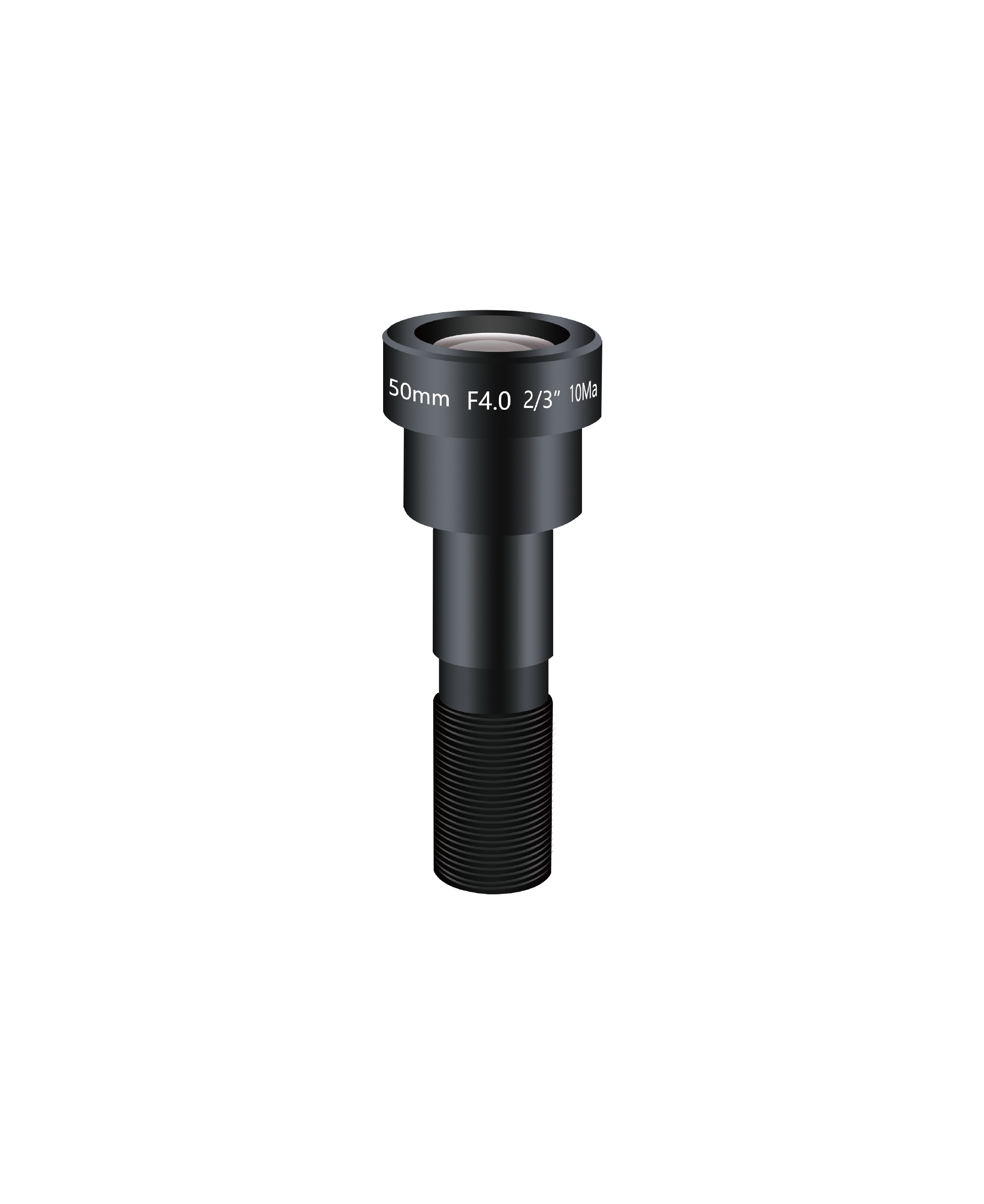
Machine vision lenses play a pivotal role in the realm of digital imaging, particularly in applications that require precision and accuracy. These specialized lenses are designed for use in automated inspection systems, robotics, and other optical applications where high-resolution images are paramount. Understanding the intricacies of machine vision lenses can enhance the efficiency of imaging sy
One of the key attributes of machine vision lenses is their ability to provide sharp, distortion-free images across a wide range of distances. Unlike standard camera lenses, machine vision lenses are engineered with specific optical characteristics to meet the demands of industrial applications. They often feature fixed focal lengths, a larger depth of field, and minimal chromatic aberration, ensuring that images are both clear and precise.
When selecting machine vision lenses, several factors must be considered. Firstly, the lens' focal length will determine the working distance and the field of view. For instance, a longer focal length allows for a narrower field of view, making it suitable for applications that require detailed inspection from a distance. Conversely, a shorter focal length provides a wider field of view, which can be beneficial for capturing larger scenes or objects.
Another critical specification is the lens' aperture, which influences the amount of light entering the lens. A larger aperture allows for better performance in low-light conditions, while a smaller aperture increases the depth of field, making more of the scene in focus. This balance ensures that the camera captures high-quality images in varying lighting situations.
In addition to focal length and aperture, the type of sensor being used with the machine vision lens is equally important. Different sensors, such as CCD or CMOS, can have varying requirements in terms of lens compatibility. Choosing the right lens to match with the camera sensor can significantly impact image quality and system performance.
Machine vision lenses are also available in various configurations, including telecentric lenses, which are designed to minimize perspective distortion, and macro lenses, which are ideal for capturing small objects with high detail. The choice between these types will depend on the specific application and desired outcomes.
In conclusion, machine vision lenses are fundamental components in advanced imaging systems, providing the clarity and precision needed for effective automation and inspection processes. By understanding the key features and specifications of these lenses, professionals can make informed decisions, ensuring optimal performance in their respective applications. Whether for industrial automation or scientific research, the right machine vision lens can make a significant difference in achieving high-quality imaging results.


Building No.15, Haixi Hi-Tech Park, Wulongjiang Avenue,
Shangjie Town, Minhou County, Fuzhou, Fujian 350108, P. R. China.

Scan the code
Online Message
Please describe your needs in detail. We will contact you as soon as possible after receiving your message.
Powered by www.300.cn SEO Privacy Notice