Menu

Choosing the Right Machine Vision Lenses: A Comprehensive Guide
Release time:
2026-04-24
Choosing the Right Machine Vision Lenses: A Comprehensive Guide When it comes to machine vision applications, the right lens can make or break the success of your system. Whether you're using vision systems for quality control, automation, or scientific research, understanding how to choose the right machine vision lenses is crucial. This guide will walk you through the essential aspects of select
Choosing the Right Machine Vision Lenses: A Comprehensive Guide
When it comes to machine vision applications, the right lens can make or break the success of your system. Whether you're using vision systems for quality control, automation, or scientific research, understanding how to choose the right machine vision lenses is crucial. This guide will walk you through the essential aspects of selecting lenses, ensuring you have all the information needed to make an informed decision.
Table of Contents
- Understanding Machine Vision Lenses
- Types of Machine Vision Lenses
- Key Specifications to Consider
- Factors Affecting Lens Selection
- Applications of Machine Vision Lenses
- Tips for Selecting the Right Lens
- Maintaining Machine Vision Lenses
- FAQs About Machine Vision Lenses
Understanding Machine Vision Lenses
Machine vision lenses play a pivotal role in capturing and transmitting the images for analysis. These lenses are designed specifically for use in vision systems, providing clarity, precision, and the ability to focus on various subjects at different distances. By utilizing the right lens, you can significantly enhance the performance of your imaging system.
What are Machine Vision Lenses?
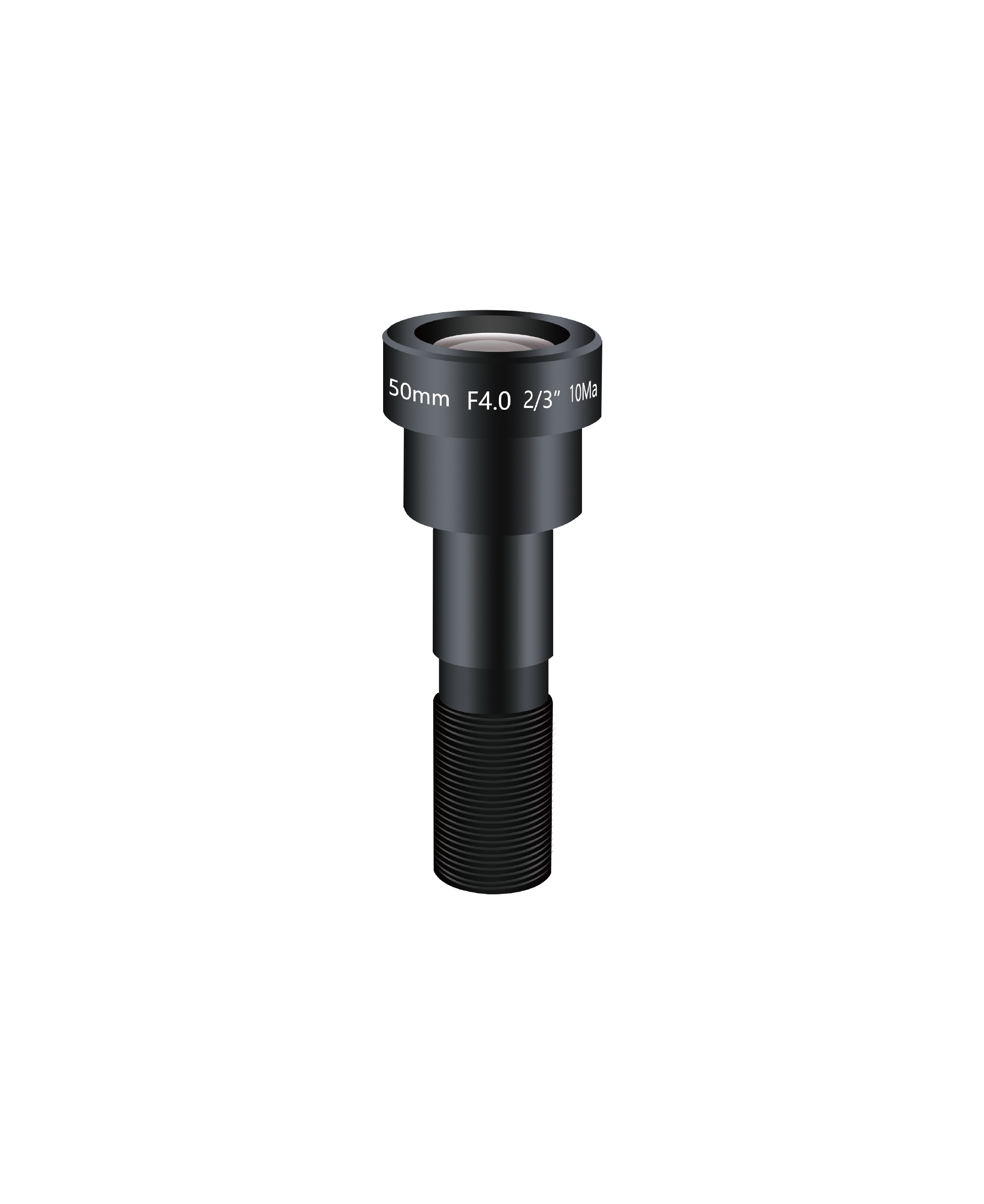
Machine vision lenses are optical devices that focus light onto a camera sensor. Unlike standard photographic lenses, these lenses are engineered to provide high resolution, minimal distortion, and optimal imaging performance. They are essential for applications requiring precise measurements and analysis, such as in manufacturing and quality control.
Why are They Important?
The choice of lenses impacts the quality of the images captured, which directly influences the performance of machine vision applications. Selecting the wrong lens may result in blurred images, distortion, or inadequate field depth, leading to erroneous analysis and conclusions.
Types of Machine Vision Lenses
There are various types of machine vision lenses available, each designed for specific applications and conditions. Understanding these types can help you choose the most suitable lens for your project.
C-Mount Lenses
C-mount lenses are widely used in machine vision due to their versatility and compatibility with various cameras. These lenses offer a standard screw thread interface and can be easily mounted on cameras with C-mount fittings.
F-Mount Lenses
F-mount lenses are typically used with Nikon cameras but can also be adapted for machine vision applications. They provide excellent image quality and are ideal for high-resolution imaging tasks.
Fixed Focal Length Lenses
Fixed focal length lenses offer consistent quality and performance for specific applications. They are often used in environments where the subject distance does not vary, ensuring sharp images every time.
Zoom Lenses
Zoom lenses provide the flexibility to adjust the focal length, allowing users to change the field of view without having to change lenses. This adaptability makes them suitable for dynamic environments where the distance to the subject can vary significantly.
Telecentric Lenses
Telecentric lenses are designed to maintain a constant magnification regardless of the object's distance from the lens. They are particularly beneficial in applications requiring precise dimensional measurements, as they reduce perspective errors.
Key Specifications to Consider
When selecting machine vision lenses, several key specifications should be taken into account to ensure optimal performance.
Focal Length
The focal length of a lens determines its field of view and magnification. Shorter focal lengths provide a wider field of view, while longer focal lengths offer greater magnification. Consider the application requirements when selecting the appropriate focal length.
Aperture
The aperture of a lens controls the amount of light entering the camera. A larger aperture allows for more light, making it suitable for low-light environments. However, it can also reduce the depth of field, which may be a critical factor in some applications.
Resolution
The resolution of a lens is crucial for capturing detailed images. It is essential to match the lens resolution with the camera sensor resolution to avoid bottlenecks in image quality.
Distortion
Lens distortion can affect image quality and lead to inaccuracies in measurements. Look for lenses with minimal distortion, especially in applications requiring precise data analysis.
Depth of Field
The depth of field refers to the range of distance within which objects appear sharp in an image. A lens with a greater depth of field can capture sharp images across a broader range of distances, which is beneficial in many machine vision applications.
Factors Affecting Lens Selection
Choosing the right machine vision lens involves considering various factors that can influence your decision.
Application Requirements
Different applications have varying requirements based on the type of objects being inspected, the required resolution, and the environmental conditions. Understanding these needs is crucial for selecting the appropriate lens.
Camera Compatibility
Ensure that the lens you select is compatible with your camera system. Consider the mount type, sensor size, and other specifications to ensure seamless integration.
Environmental Conditions
Environmental factors, such as temperature, humidity, and exposure to dust or chemicals, can affect lens performance. Choose lenses that are suitable for the conditions in which they will be used.
Budget Constraints
While it’s essential to invest in a quality lens, budget constraints may influence your choice. Consider your needs and find a balance between performance and cost.
Applications of Machine Vision Lenses
Machine vision lenses find applications across various industries, enhancing automation and quality assurance processes.
Manufacturing and Quality Control
In manufacturing, machine vision lenses are used for inspecting products on assembly lines. They help identify defects, ensuring that only high-quality products reach consumers.
Medical Imaging
In the medical field, machine vision lenses are crucial for imaging and diagnostic equipment. They ensure accurate imaging of biological specimens and facilitate effective diagnosis.
Scientific Research
Researchers utilize machine vision lenses in various experiments, requiring precise imaging for accurate results. These lenses aid in capturing minute details that are vital for scientific analysis.
Robotics and Automation
In robotics, machine vision lenses help robots navigate and interact with their environment. They enhance object recognition capabilities, allowing for more efficient automation processes.
Tips for Selecting the Right Lens
Here are some practical tips to guide you in selecting the right machine vision lens:
Define Your Requirements
Before selecting a lens, clearly define your application requirements, including resolution, field of view, and environmental conditions.
Consult with Experts
Engage with lens manufacturers or technical experts who can provide insights and recommendations based on your specific needs.
Test Before You Buy
If possible, conduct tests with different lenses to evaluate performance in your application. This hands-on approach can help you make a more informed choice.
Stay Informed on Technology Trends
The field of machine vision is constantly evolving. Stay updated on the latest lens technologies and innovations to ensure you choose the best options available.
Maintaining Machine Vision Lenses
Proper maintenance of machine vision lenses is essential for ensuring longevity and optimal performance. Here are some maintenance tips:
Regular Cleaning
Regularly clean the lenses to remove dust and smudges that can affect image quality. Use appropriate cleaning materials to avoid scratching the lens surface.
Storage Conditions
Store lenses in protective cases to prevent damage. Avoid exposing them to extreme temperatures or humidity, which can degrade performance.
Inspection
Periodically inspect the lenses for any signs of wear or damage. Addressing issues early can prevent more significant problems down the line.
FAQs About Machine Vision Lenses
1. What is the difference between C-mount and F-mount lenses?
C-mount lenses have a standard screw thread interface, while F-mount lenses are typically used with Nikon cameras. Each has its advantages depending on compatibility with your camera system.
2. How do I know which focal length I need?
The required focal length is determined by the distance to your subject and the size of the area you wish to image. Shorter focal lengths are ideal for wider views, while longer focal lengths are better for detailed close-ups.
3. Why is lens distortion an important factor?
Lens distortion can lead to inaccurate measurements and image quality issues. In applications where precision is key, choosing a lens with minimal distortion is critical.
4. Can I use regular camera lenses for machine vision applications?
While some standard camera lenses may work, they typically lack the optical quality and specifications required for machine vision applications. It’s advisable to use lenses specifically designed for machine vision.
5. How often should I clean my machine vision lenses?
The frequency of cleaning depends on your working environment. Regular maintenance checks should be conducted, especially in dusty or dirty environments.
Conclusion
Selecting the right machine vision lenses is a critical step that influences the success of your imaging systems. By understanding the various types, specifications, and applications, and considering important factors, you can make informed decisions that enhance your machine vision projects. With the right lens, you ensure precision, accuracy, and reliability in your imaging tasks, paving the way for optimal performance in various industries. Invest time in choosing the right lens, and the results will speak for themselves.


Building No.15, Haixi Hi-Tech Park, Wulongjiang Avenue,
Shangjie Town, Minhou County, Fuzhou, Fujian 350108, P. R. China.

Scan the code
Online Message
Please describe your needs in detail. We will contact you as soon as possible after receiving your message.
Powered by www.300.cn SEO Privacy Notice