Menu

Understanding Machine Vision Lenses: An Essential Guide for Professionals
Release time:
2026-04-09
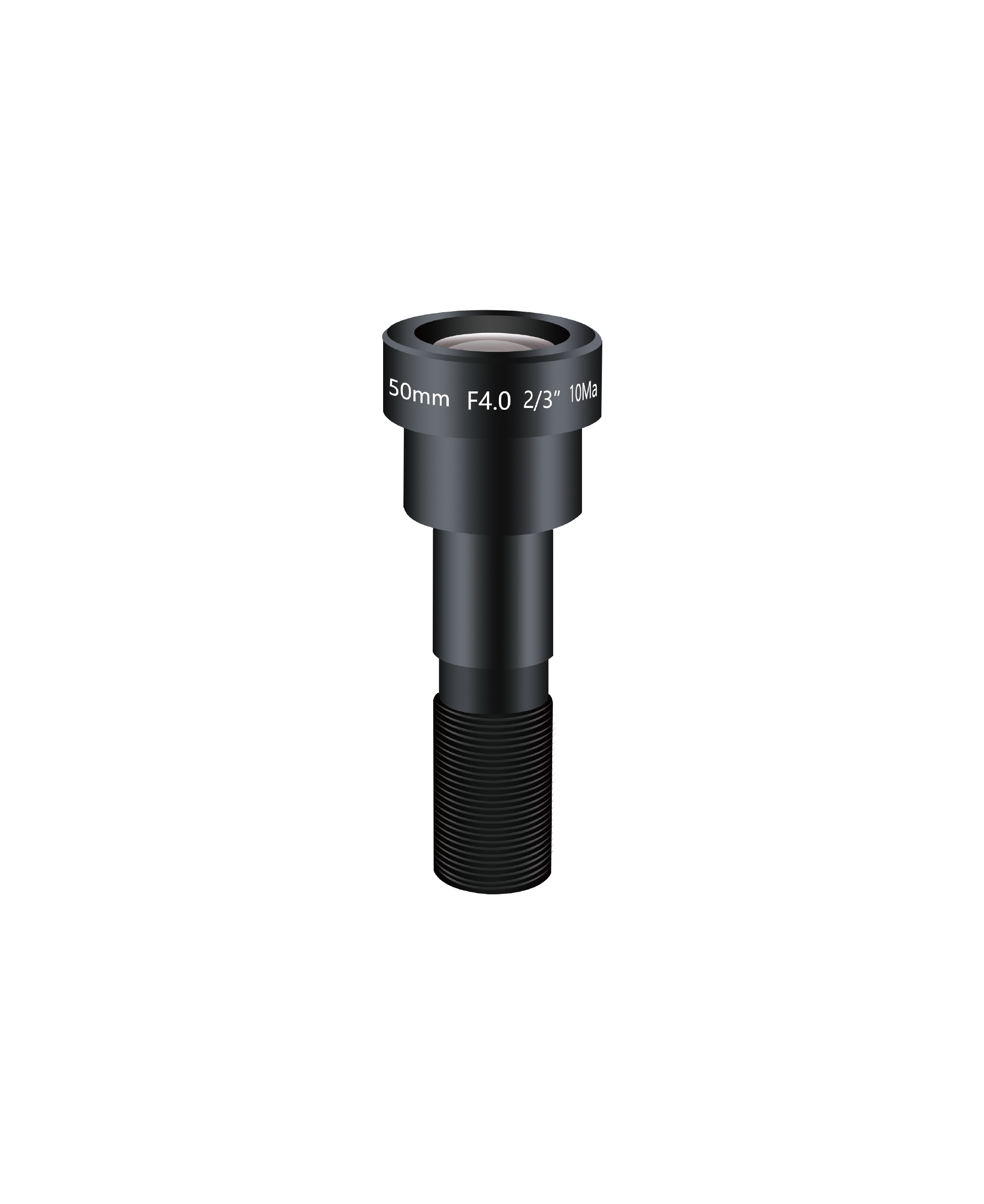
Machine vision lenses are a critical component in various industrial applications, including quality control, robotics, and automated inspection systems. These lenses are designed to capture high-resolution images that enable machines to interpret visual data accurately. Understanding machine vision lenses is essential for professionals looking to optimize their imaging systems and achieve precise
One of the primary types of machine vision lenses is the fixed focal length lens. These lenses offer a specific field of view and are ideal for applications where the distance between the object and the camera remains constant. They provide excellent image quality and are often used in systems requiring high precision.
In contrast, zoom lenses offer variable focal lengths, allowing users to adjust the field of view without changing the lens. This versatility makes them suitable for applications where the distance to the subject may vary. However, it's essential to note that zoom lenses may introduce more optical aberrations than fixed focal length lenses, which can affect image quality.
When selecting a machine vision lens, several factors should be taken into account. The sensor size is one of the most critical aspects. Lenses are designed to work with specific sensor sizes, and using an incompatible lens can lead to vignetting or loss of image clarity. Additionally, understanding the working distance— the distance between the lens and the object being imaged— is crucial for achieving optimal performance.
Another important consideration is the lens's aperture. A wider aperture allows more light to enter the lens, which can be beneficial in low-light conditions. However, a wider aperture also reduces the depth of field, making it necessary to carefully focus on the subject. Conversely, a smaller aperture increases the depth of field, which may be advantageous in certain scenarios but can result in less light reaching the sensor.
In machine vision applications, distortion can be a significant concern, especially when capturing images of flat surfaces or intricate patterns. It's vital to select lenses that minimize distortion, as this can impact the accuracy of measurements and inspections. Many manufacturers provide distortion specifications to help users make informed decisions.
Lastly, understanding the required resolution is essential when choosing machine vision lenses. Higher resolution images require lenses that can resolve finer details, ensuring that the captured image matches the expectations of the analysis or measurement task at hand.
In conclusion, machine vision lenses play a pivotal role in achieving high-quality imaging in industrial applications. By considering factors such as lens type, sensor size, aperture, and distortion, professionals can select the ideal lens to enhance their machine vision systems. Whether you are involved in manufacturing, logistics, or quality assurance, a solid understanding of machine vision lenses can significantly improve your operations and outcomes.


Building No.15, Haixi Hi-Tech Park, Wulongjiang Avenue,
Shangjie Town, Minhou County, Fuzhou, Fujian 350108, P. R. China.

Scan the code
Online Message
Please describe your needs in detail. We will contact you as soon as possible after receiving your message.
Powered by www.300.cn SEO Privacy Notice