Menu

Understanding Laser Welding Lenses: Key Insights for Professionals
Release time:
2026-03-16
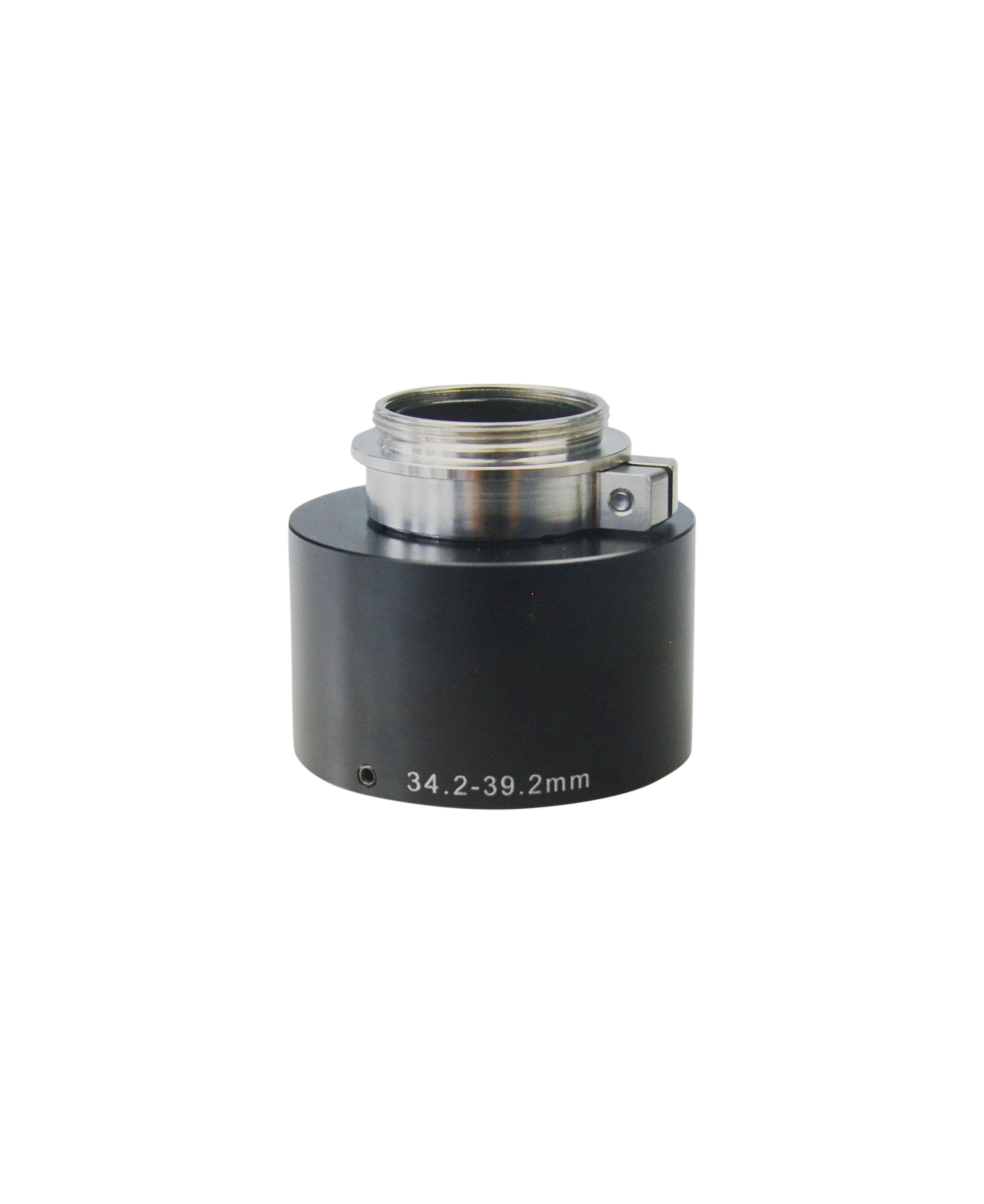
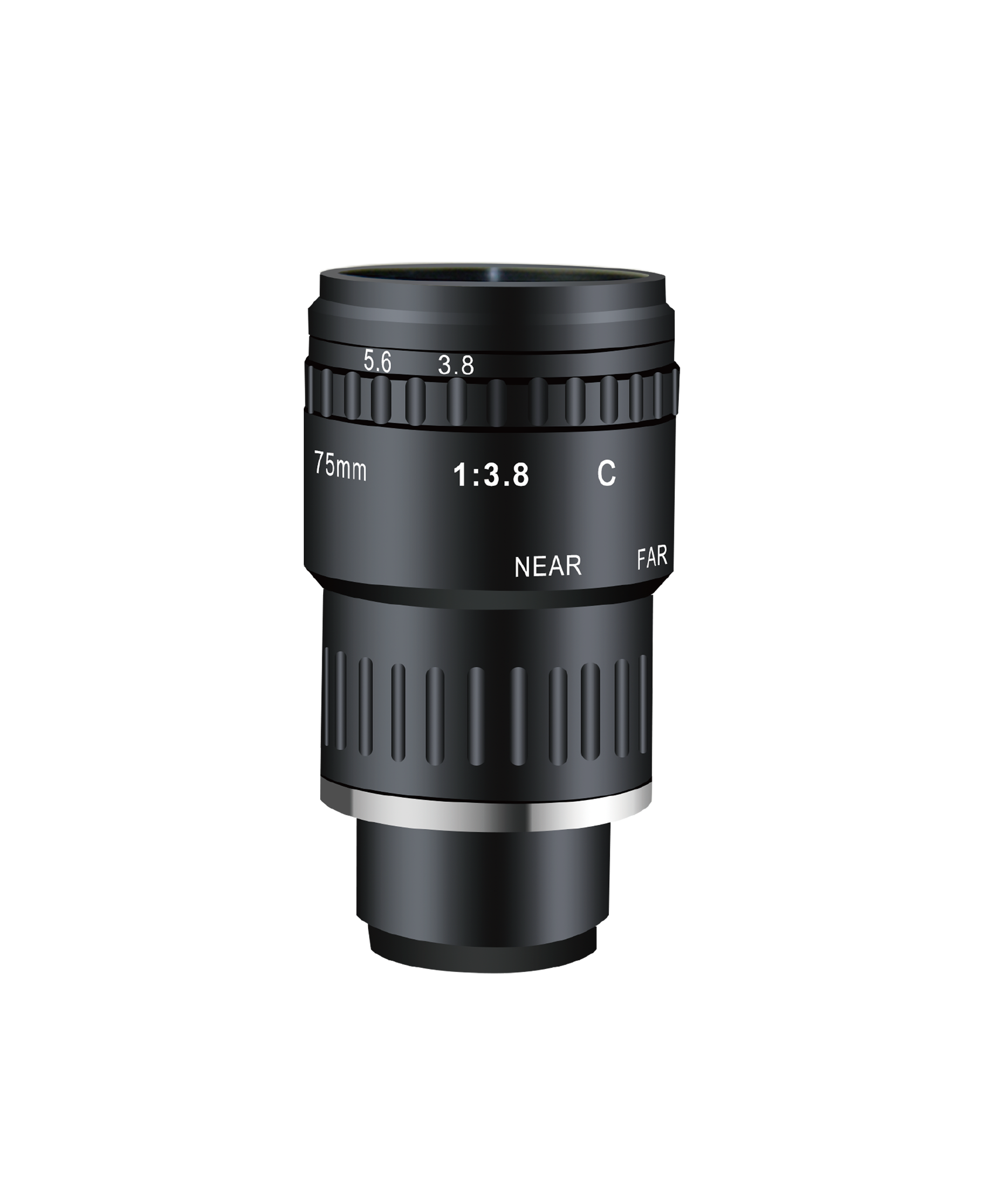
Laser welding lenses are critical components in the laser welding process, influencing the efficiency and quality of welds in various applications. These lenses play an integral role in focusing the laser beam onto the workpiece, allowing for high precision and control during welding operations. Understanding the technical characteristics and specifications of laser welding lenses is essential for
One of the primary functions of laser welding lenses is to concentrate the laser light into a focused spot on the material being welded. The focal length of the lens is a crucial parameter, as it determines the size of the focus spot and the depth of field. A shorter focal length results in a smaller spot size, which is beneficial for precision welding of thin materials, while a longer focal length allows for deeper penetration, suitable for thicker materials.
Material selection for laser welding lenses is another important consideration. Typically, these lenses are made from high-quality optical glass or specialized materials such as zinc selenide or germanium, which offer excellent transmission of laser wavelengths. The ability of the lens to withstand high temperatures and the potential for thermal distortion are critical factors in ensuring consistent performance during welding operations.
Additionally, lens coatings can significantly enhance the performance of laser welding lenses. Anti-reflective coatings minimize losses due to reflection, ensuring that more of the laser energy is focused on the workpiece. This not only improves efficiency but also reduces the risk of overheating or damaging the lens itself.
When selecting laser welding lenses, professionals must also consider factors such as the laser type (e.g., CO2, fiber, or Nd:YAG), the specific application requirements, and the desired welding speed and quality. Understanding the interplay between these elements can lead to better outcomes in terms of weld integrity and production efficiency.
In summary, laser welding lenses are indispensable tools in the field of precision welding. Their design, material composition, and coatings directly affect the quality of the welds produced. For professionals in the optical instruments industry, understanding these aspects can lead to improved operational efficiency, superior product quality, and enhanced competitiveness in the market. By investing time in selecting the right laser welding lenses, businesses can significantly impact their manufacturing processes and outcomes.

Building No.15, Haixi Hi-Tech Park, Wulongjiang Avenue,
Shangjie Town, Minhou County, Fuzhou, Fujian 350108, P. R. China.

Scan the code
Online Message
Please describe your needs in detail. We will contact you as soon as possible after receiving your message.
Powered by www.300.cn SEO Privacy Notice