Menu

The Essential Guide to Machine Vision Lenses: Enhancing Imaging Accuracy and Performance
Release time:
2026-03-10
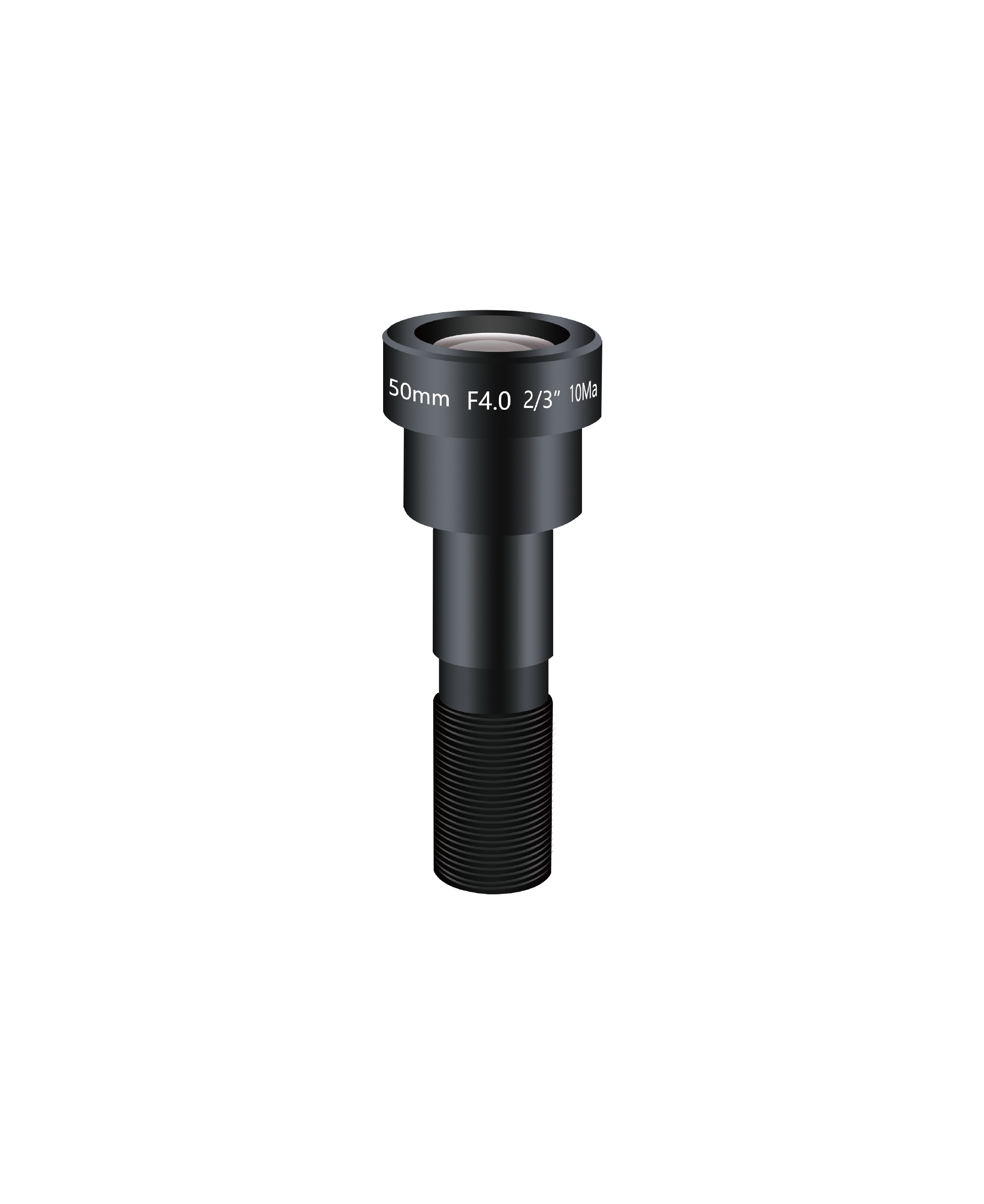
Machine vision lenses are a vital component in the realm of imaging technology, specifically designed to enhance the performance of cameras used in various industrial applications. These lenses play a crucial role in ensuring that the images captured are sharp, accurate, and reliable, which is essential for tasks such as quality control, inspection, and automated processes. One of the primary char
One of the primary characteristics of machine vision lenses is their ability to minimize optical aberrations. Unlike standard camera lenses, machine vision lenses are engineered to maintain clarity and precision across the entire image field, even at high resolutions. This is particularly important in applications where detail is paramount, such as in semiconductor manufacturing or medical imaging.
Another essential feature of machine vision lenses is their focal length versatility. Depending on the application, different focal lengths can be used to achieve the desired field of view and depth of field. For instance, shorter focal lengths are ideal for capturing wider scenes, while longer focal lengths allow for detailed inspection of small components from a distance. This adaptability is one reason why machine vision lenses are favored in automated inspection systems.
In addition to optical performance, machine vision lenses are designed with durability and reliability in mind. Many models are built to withstand harsh industrial environments, including exposure to dust, moisture, and temperature variations. This resilience ensures that the lenses can continue to perform consistently over time, reducing maintenance costs and downtime in production lines.
When selecting a machine vision lens, it is vital to consider several factors to ensure optimal performance. The lens must be compatible with the camera sensor's size and resolution to avoid vignetting or loss of image quality. Additionally, the working distance, which is the distance between the lens and the object being imaged, should align with the requirements of your application. This aspect is particularly important for achieving the right focus and depth of field.
Moreover, many machine vision lenses come with features such as adjustable apertures and focus mechanisms, allowing users to fine-tune the imaging system based on specific needs. This flexibility can significantly enhance the overall imaging quality, making it easier to adapt to varying conditions and requirements in industrial settings.
In conclusion, machine vision lenses are an indispensable part of modern imaging systems, particularly in industrial applications where precision and reliability are critical. By understanding their features and how they can be utilized effectively, users can enhance their imaging capabilities, leading to improved operational efficiency and better quality assurance in their processes. Whether you are involved in manufacturing, inspection, or any field requiring high-quality imaging, investing in the right machine vision lens can make a significant difference in achieving your goals.


Building No.15, Haixi Hi-Tech Park, Wulongjiang Avenue,
Shangjie Town, Minhou County, Fuzhou, Fujian 350108, P. R. China.

Scan the code
Online Message
Please describe your needs in detail. We will contact you as soon as possible after receiving your message.
Powered by www.300.cn SEO Privacy Notice