Menu

Enhancing Image Quality: Why Machine Vision Lenses Matter for Your Imaging Needs
Release time:
2026-02-23
Enhancing Image Quality: Why Machine Vision Lenses Matter Introduction to Machine Vision Lenses In today's rapidly advancing technological landscape, the demand for high-quality imaging in various industries has surged. Whether in manufacturing, medical imaging, or automated processes, the quality of images plays a critical role in achieving efficiency and accuracy. This is where machine vision le
Enhancing Image Quality: Why Machine Vision Lenses Matter
Introduction to Machine Vision Lenses
In today's rapidly advancing technological landscape, the demand for high-quality imaging in various industries has surged. Whether in manufacturing, medical imaging, or automated processes, the quality of images plays a critical role in achieving efficiency and accuracy. This is where machine vision lenses come into play. Unlike standard camera lenses, machine vision lenses are specifically designed to meet the unique requirements of machine vision applications. In this article, we will explore the significance of machine vision lenses in enhancing image quality and why they are essential for your imaging needs.
Understanding Machine Vision
What is Machine Vision?
Machine vision refers to the use of computer algorithms and imaging technologies to analyze and interpret visual information from the real world. This technology is widely employed in industrial automation, quality control, robotics, and more. By processing images captured by cameras, machine vision systems enable machines to “see” and make decisions based on visual data.
The Role of Lenses in Machine Vision
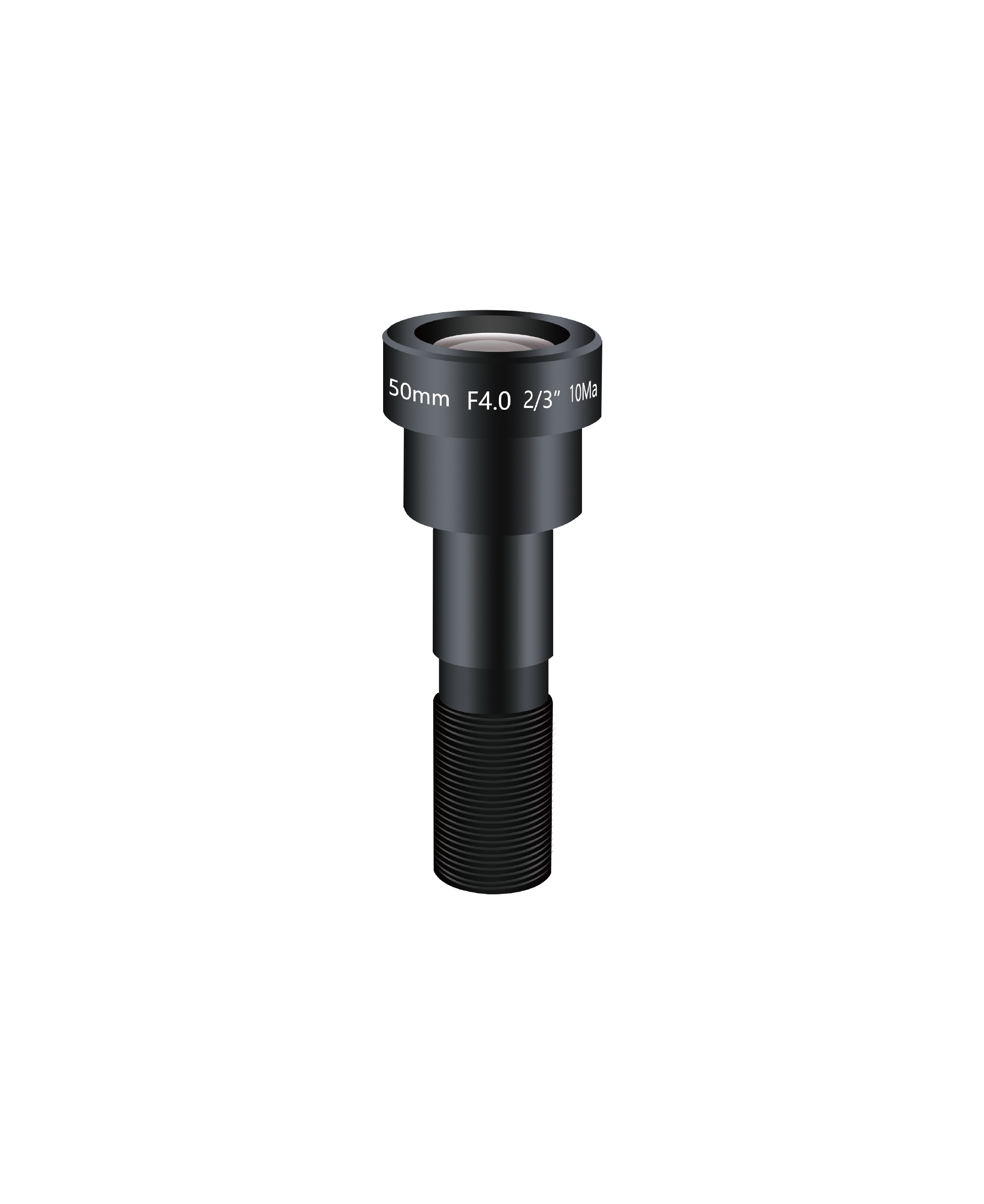
Lenses are a fundamental component of any imaging system. In machine vision, the choice of lens is critical as it directly influences the quality of the captured images. Machine vision lenses are engineered to deliver superior optical performance, ensuring optimal image quality under various conditions.
Key Features of Machine Vision Lenses
Optical Performance
The optical performance of machine vision lenses is paramount. These lenses are designed to minimize optical distortions such as chromatic aberration and geometric distortions. High-resolution imaging requires precise focus and clarity, which machine vision lenses are uniquely capable of delivering.
Wide Aperture
Machine vision lenses often feature a wide aperture, allowing for increased light transmission. This is particularly beneficial in low-light environments where capturing clear images is challenging. A wider aperture also contributes to a shallower depth of field, enabling operators to achieve sharp focus on specific objects while blurring the background.
Variety of Focal Lengths
Machine vision lenses come in a variety of focal lengths, catering to different applications. Short focal lengths are ideal for capturing close-up images, while longer focal lengths are suited for distant subjects. The versatility of focal lengths allows users to select the right lens for their specific imaging needs.
Durability and Reliability
Machine vision lenses are built to withstand harsh industrial environments. They are often designed with robust materials that resist dust, moisture, and temperature fluctuations. This durability ensures consistent performance and longevity, making them a wise investment for any imaging system.
Benefits of Using Machine Vision Lenses
Improved Image Quality
The primary advantage of machine vision lenses is the significant enhancement in image quality. With superior optical design and components, these lenses capture images with greater clarity, enabling precise analysis and decision-making. Whether for inspections or measurements, high-quality images lead to better outcomes.
Enhanced Automation
In manufacturing and production environments, automation is key. Machine vision lenses contribute to the efficiency of automated systems by providing reliable and accurate image capture. This capability allows for real-time monitoring and inspection, reducing errors and improving overall productivity.
Cost-Effective Solutions
While machine vision lenses may come at a higher initial cost compared to standard lenses, they offer long-term cost savings. The improved efficiency and accuracy they provide can lead to less waste, reduced downtime, and minimized errors, ultimately resulting in higher profit margins.
Comparing Machine Vision Lenses to Standard Lenses
Optical Quality
Standard camera lenses are typically designed for general photography, lacking the specialized features required for machine vision applications. Machine vision lenses are optimized for consistent image quality, especially at various working distances and lighting conditions, ensuring superior performance.
Focusing Mechanisms
Machine vision lenses often incorporate advanced focusing mechanisms, such as manual or automatic focus controls, allowing for rapid adjustments. This adaptability is crucial in dynamic environments where conditions may change frequently.
Field of View
Machine vision lenses can provide a wider field of view compared to standard lenses, enabling more comprehensive imaging coverage. This is particularly advantageous in applications such as inspection and surveillance, where capturing a broader perspective is essential.
Applications of Machine Vision Lenses
Manufacturing and Quality Control
In manufacturing, machine vision lenses are integral to quality control processes. They enable the inspection of products for defects, ensuring only high-quality items reach the market. Automated inspection systems rely on the precision of machine vision lenses to detect even the smallest flaws.
Medical Imaging
In the medical field, machine vision lenses are used in endoscopy, microscopy, and other imaging modalities. Their ability to capture high-resolution images is critical for accurate diagnoses and treatment planning.
Logistics and Automation
Machine vision lenses are also employed in logistics for automated sorting and tracking of packages. The high-speed processing capabilities and accuracy of machine vision systems enhance operational efficiency in warehouses and distribution centers.
Choosing the Right Machine Vision Lens
Understanding Your Requirements
When selecting a machine vision lens, it’s essential to evaluate your specific imaging requirements. Consider factors such as the distance from the object, the size of the field of view, and the type of lighting conditions you will encounter.
Consulting with Experts
Consulting with optical experts can provide valuable insights into the best lens options for your application. Engaging with professionals ensures you make informed decisions that align with your imaging goals.
FAQs about Machine Vision Lenses
What is the difference between machine vision lenses and standard camera lenses?
Machine vision lenses are specifically designed for industrial applications, offering superior optical performance, durability, and specialized features compared to standard camera lenses.
Can machine vision lenses be used for other applications besides industrial use?
Yes, machine vision lenses can be used in various fields, including medical imaging, robotics, and logistics, due to their high-resolution capabilities and reliability.
Are machine vision lenses more expensive than standard lenses?
While machine vision lenses may have a higher upfront cost, they typically offer better performance and long-term savings through improved efficiency and accuracy.
How do I maintain my machine vision lenses?
Regular cleaning with appropriate lens cleaning solutions and ensuring they are protected from dust and moisture can prolong the life of machine vision lenses.
Where can I purchase machine vision lenses?
Machine vision lenses can be purchased from specialized optical suppliers, online retailers, or directly from manufacturers who focus on industrial imaging solutions.
Conclusion
In summary, machine vision lenses play a pivotal role in enhancing image quality across various industries. Their specialized features, durability, and adaptability make them an essential component of any imaging system. By investing in high-quality machine vision lenses, businesses can improve their operational efficiency, accuracy, and ultimately their bottom line. As the demand for high-quality imaging continues to grow, understanding the importance of machine vision lenses will empower you to make informed decisions that elevate your imaging capabilities.


Building No.15, Haixi Hi-Tech Park, Wulongjiang Avenue,
Shangjie Town, Minhou County, Fuzhou, Fujian 350108, P. R. China.

Scan the code
Online Message
Please describe your needs in detail. We will contact you as soon as possible after receiving your message.
Powered by www.300.cn SEO Privacy Notice