Menu

Understanding Telecentric Lenses: A Key Component in Precision Optics
Release time:
2026-02-02
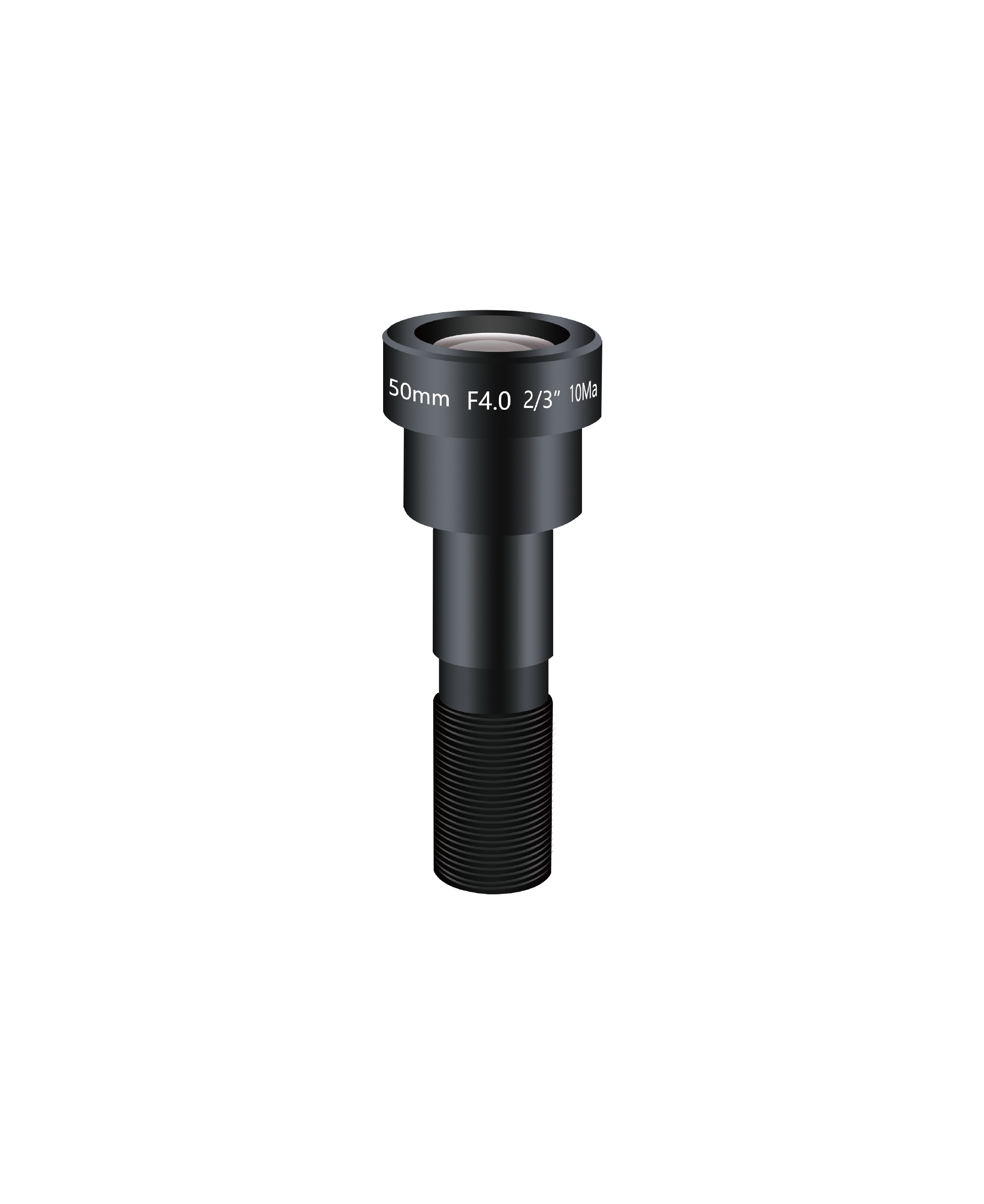
Telecentric lenses are specialized optical devices designed to maintain a constant magnification across the entire field of view. Unlike conventional lenses, which exhibit varying magnification depending on the subject's distance from the lens, telecentric lenses ensure that all rays of light are parallel when they enter or exit the lens. This unique characteristic makes them ideal for application
One of the primary advantages of telecentric lenses is their ability to provide uniform magnification. This feature is particularly critical in metrology and inspection systems, where precise measurements are necessary for quality control. For instance, when measuring the dimensions of small components, even slight variations in magnification can lead to inaccurate results. Telecentric lenses eliminate this variability, ensuring that measurements remain consistent regardless of the object's position relative to the lens.
In addition to consistent magnification, telecentric lenses also minimize perspective distortion. This is especially important when capturing images of three-dimensional objects. Standard lenses can introduce distortion, affecting the perceived shape and size of the object being observed. Telecentric lenses, on the other hand, produce images that closely represent the actual dimensions of the object, allowing for more accurate analysis and evaluation.
Telecentric lenses are commonly used in various sectors, including manufacturing, robotics, and medical imaging. In manufacturing, they are vital for quality assurance processes, ensuring that products meet specified dimensions. In robotics, these lenses enable precise vision systems that assist in tasks such as assembly and sorting. Furthermore, in the field of medical imaging, telecentric lenses enhance the clarity and detail of images, aiding in diagnostics and research.
The design of telecentric lenses can vary based on their intended application. There are two main types: object-side telecentric lenses and image-side telecentric lenses. The former ensures that the rays from the object remain parallel as they enter the lens, while the latter guarantees that the rays exiting the lens are parallel, providing a consistent image size regardless of the object's position.
In conclusion, telecentric lenses are an indispensable component of modern optical systems that require high precision and accuracy. Their ability to maintain consistent magnification and minimize distortion makes them invaluable in various fields, from industrial applications to medical imaging. Understanding the functionality and benefits of telecentric lenses can aid professionals in selecting the right optical solutions for their specific needs, ensuring optimal performance and reliability in their operations.


Building No.15, Haixi Hi-Tech Park, Wulongjiang Avenue,
Shangjie Town, Minhou County, Fuzhou, Fujian 350108, P. R. China.

Scan the code
Online Message
Please describe your needs in detail. We will contact you as soon as possible after receiving your message.
Powered by www.300.cn SEO Privacy Notice