Menu

How Laser Welding Lenses Can Significantly Reduce Production Costs
Release time:
2026-01-30
How Laser Welding Lenses Can Significantly Reduce Production Costs Table of Contents 1. Introduction to Laser Welding Lenses 2. What Are Laser Welding Lenses? 3. Benefits of Using Laser Welding Lenses 4. Impact of Laser Welding Lenses on Production Costs 5. Increased Efficiency and Productivity 6. Enhanced Precision and Quality in Welds 7. Case Studies: Real-World
How Laser Welding Lenses Can Significantly Reduce Production Costs
Table of Contents
- 1. Introduction to Laser Welding Lenses
- 2. What Are Laser Welding Lenses?
- 3. Benefits of Using Laser Welding Lenses
- 4. Impact of Laser Welding Lenses on Production Costs
- 5. Increased Efficiency and Productivity
- 6. Enhanced Precision and Quality in Welds
- 7. Case Studies: Real-World Applications
- 8. The Future of Laser Welding Technology
- 9. Frequently Asked Questions
- 10. Conclusion
1. Introduction to Laser Welding Lenses
Laser welding technology has revolutionized the manufacturing sector, providing unparalleled precision and efficiency in metal joining processes. As industries continuously seek ways to optimize production and reduce costs, **laser welding lenses** have emerged as a critical component. By improving the focus and quality of laser beams, these lenses not only enhance the welding process but also lead to substantial savings in production costs. This article delves into the mechanics of laser welding lenses and their significant impact on lowering operational expenses.
2. What Are Laser Welding Lenses?
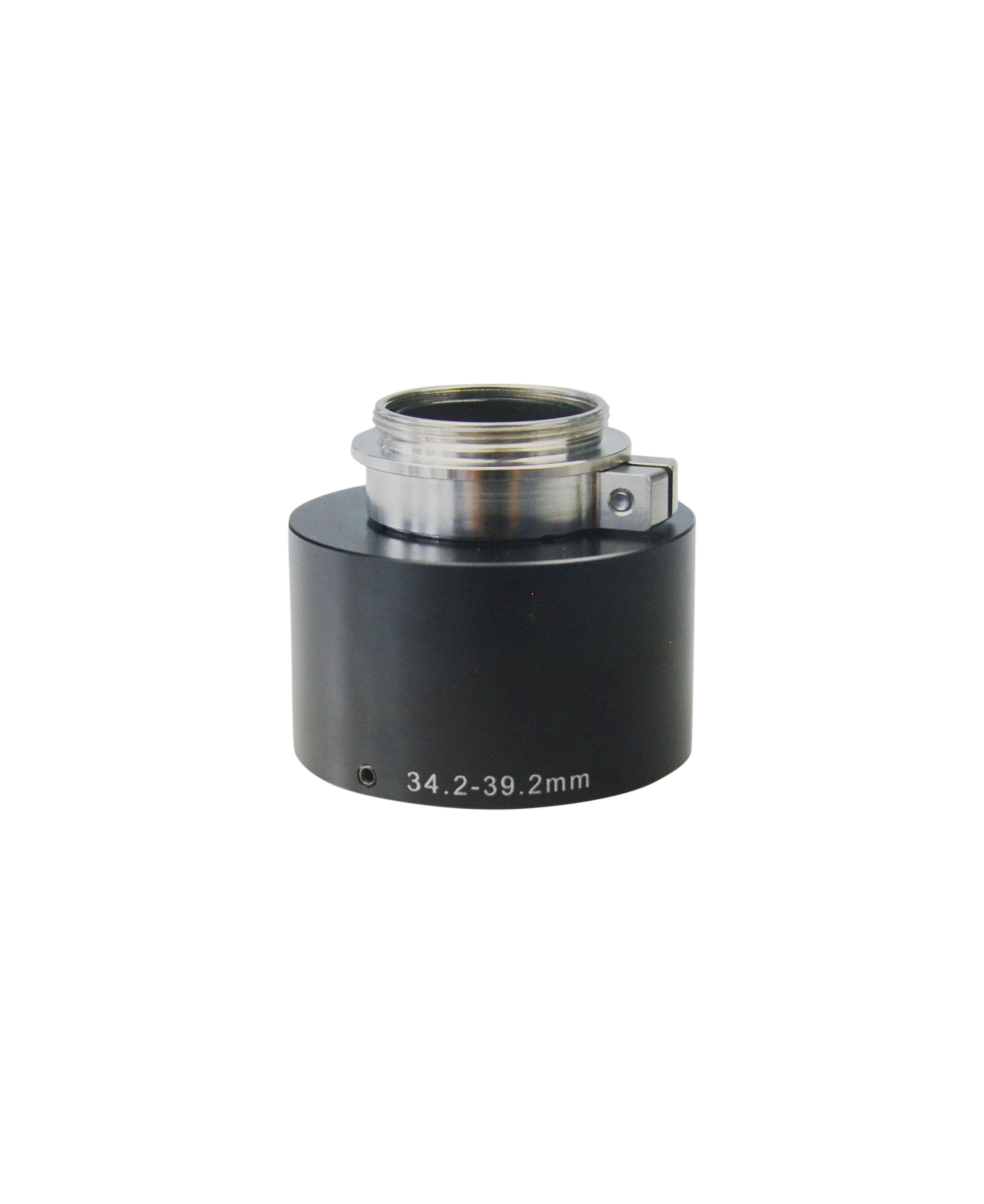
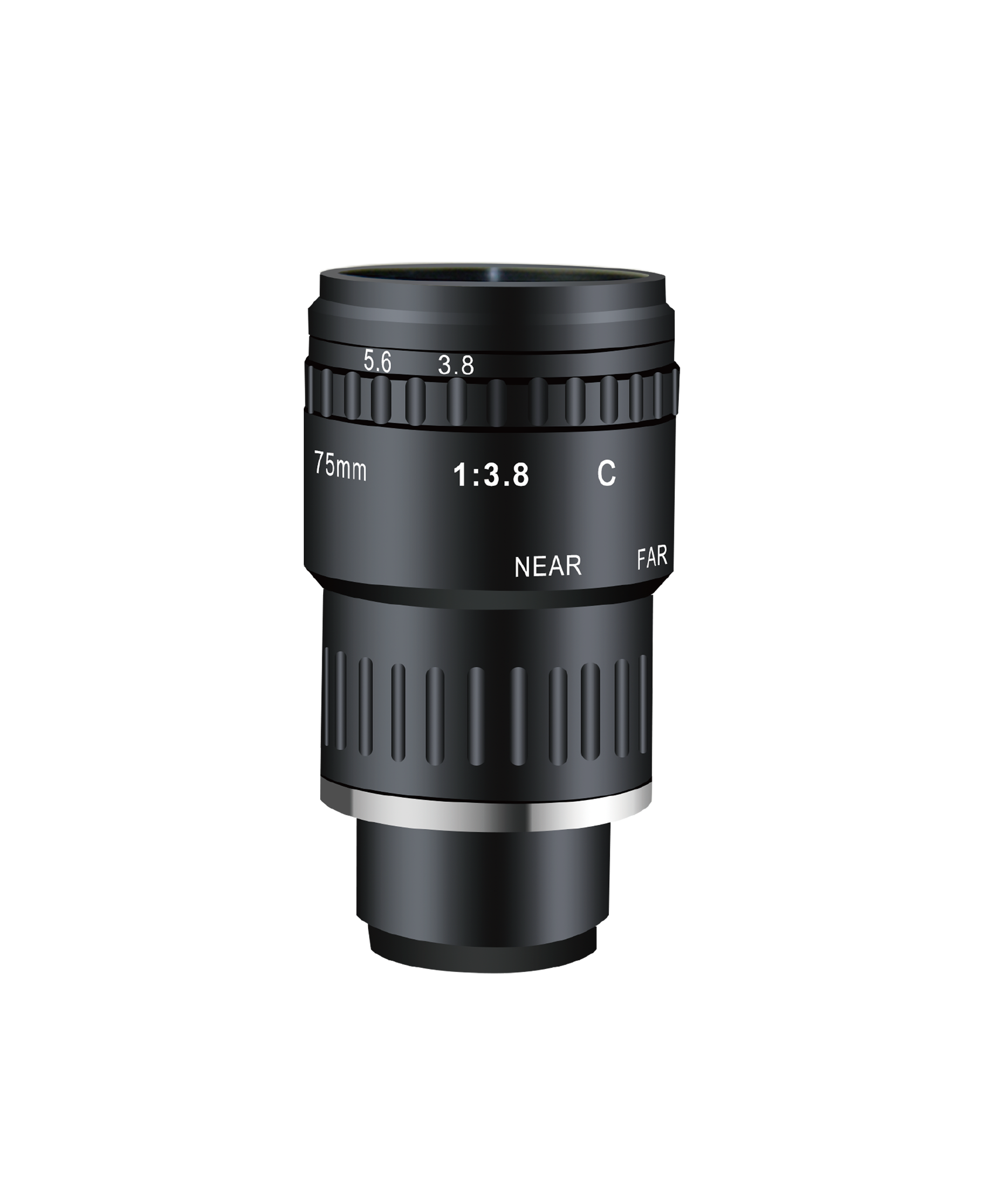
Laser welding lenses are specialized optical components designed to focus and direct laser beams during welding applications. These lenses are engineered to withstand the intense heat and energy produced during the welding process. Their primary function is to concentrate the laser energy on a specific point, ensuring maximal efficiency in the welding operation.
There are various types of laser welding lenses, including **focusing lenses**, **collimating lenses**, and **beam expanders**, each designed for specific applications and types of lasers. Understanding the distinct characteristics of these lenses is essential for optimizing welding operations.
3. Benefits of Using Laser Welding Lenses
The adoption of laser welding lenses in manufacturing processes offers numerous advantages:
3.1 Enhanced Laser Beam Quality
High-quality laser welding lenses provide better beam profiling, which translates into more focused energy delivery. This results in cleaner welds with improved appearances, reducing the need for post-welding processing.
3.2 Versatility Across Materials
Laser welding can be applied to a variety of materials, including metals, plastics, and composites. Laser welding lenses can be tailored to specific materials, ensuring optimal settings for each application.
3.3 Reduced Heat Affected Zone (HAZ)
Minimizing the heat-affected zone is crucial in many applications. Laser welding lenses help achieve a tighter focus, leading to a smaller HAZ, which preserves the integrity of surrounding materials.
4. Impact of Laser Welding Lenses on Production Costs
**Reducing production costs** is a primary objective for industries across the board. Laser welding lenses contribute to this goal in several ways:
4.1 Lower Operational Costs
High-quality lenses allow for faster welding speeds, reducing the overall time and energy required for each operation. This efficiency translates into lower operational costs.
4.2 Decreased Material Waste
The precision provided by laser welding lenses minimizes errors and defects in welds, reducing the amount of scrap and rework. This directly impacts the bottom line by conserving material resources.
4.3 Extended Equipment Lifespan
Using high-performance lenses can reduce the wear and tear on laser systems. This longevity minimizes the frequency and cost of maintenance and replacements, further decreasing overall expenses.
5. Increased Efficiency and Productivity
Efficiency is at the heart of modern manufacturing. The implementation of laser welding lenses plays a pivotal role in enhancing productivity:
5.1 Faster Production Cycles
With improved focusing capabilities, laser welding lenses enable faster welding speeds, significantly shortening production cycles. This efficiency allows manufacturers to meet growing market demands swiftly.
5.2 Automation Compatibility
Laser welding lenses are compatible with automated systems, facilitating the integration of advanced technologies such as robotics. This integration further enhances production capabilities while maintaining high-quality standards.
5.3 Streamlined Workflow
The precision and reliability of laser welding lenses contribute to smoother workflows. By reducing the number of defects, manufacturers can streamline their processes and minimize downtime.
6. Enhanced Precision and Quality in Welds
Quality is paramount in manufacturing, and laser welding lenses ensure that high standards are met:
6.1 Consistent Weld Quality
Laser welding lenses provide uniform energy distribution, leading to consistent weld quality across multiple pieces. This reliability is crucial for industries where precision is non-negotiable.
6.2 Ability to Weld Thin Materials
Thin materials often pose challenges during welding. Laser welding lenses excel in these applications, allowing manufacturers to achieve strong, clean welds without damaging the material.
6.3 Reduced Need for Post-Weld Treatment
The quality of welds produced with laser welding lenses often requires less post-weld treatment, saving both time and costs associated with finishing processes.
7. Case Studies: Real-World Applications
Understanding the practical applications of laser welding lenses enhances their perceived value. Here are a few notable case studies:
7.1 Automotive Industry
In the automotive sector, manufacturers use laser welding lenses to join components with precision. This application reduces weight while ensuring structural integrity, contributing to more fuel-efficient vehicles.
7.2 Aerospace Manufacturing
Aerospace companies rely on laser welding lenses to create lightweight yet strong joints. The ability to manage thin materials without compromising quality is a game-changer in this highly regulated industry.
7.3 Electronics Production
In electronics, laser welding lenses are used to assemble delicate components, ensuring that the production process is both efficient and reliable, reducing the risk of defects.
8. The Future of Laser Welding Technology
The evolution of laser welding technology shows no signs of slowing. As advancements continue, we can expect the following trends:
8.1 Advancements in Lens Technology
Emerging innovations in materials and coatings for laser welding lenses will enhance their durability and performance, driving further efficiencies in production.
8.2 Increased Customization
As industries become more specialized, the demand for customized laser welding lenses will grow, allowing for even more tailored solutions to specific welding challenges.
8.3 Integration of AI and Machine Learning
The incorporation of AI and machine learning into laser welding processes will provide real-time adjustments and improvements, maximizing efficiency and minimizing costs.
9. Frequently Asked Questions
9.1 How do laser welding lenses improve production efficiency?
Laser welding lenses enhance efficiency by focusing laser energy precisely, resulting in faster welding speeds and reducing the need for rework.
9.2 What types of materials can be welded using laser welding lenses?
Laser welding lenses can be utilized to weld various materials, including metals, plastics, and composites, depending on the specific lens design.
9.3 Are laser welding lenses compatible with automated systems?
Yes, laser welding lenses are highly compatible with automated systems and robotics, significantly improving production capabilities.
9.4 How do laser welding lenses affect the quality of welds?
By providing consistent energy distribution and reducing defects, laser welding lenses ensure high-quality welds that often require minimal post-weld treatment.
9.5 What is the expected lifespan of laser welding lenses?
The lifespan of laser welding lenses varies based on usage and maintenance, but high-quality lenses can last for many years with proper care.
10. Conclusion
In conclusion, **laser welding lenses** are instrumental in driving down production costs while enhancing efficiency, precision, and overall quality in manufacturing processes. As industries continue to evolve, the integration of advanced optical technologies will play a pivotal role in shaping the future of production. By investing in high-quality laser welding lenses, manufacturers can not only optimize their operations but also ensure their competitiveness in an increasingly challenging market landscape. Embracing this technology is not just a step forward; it is a leap toward sustainable and cost-effective manufacturing practices.

Building No.15, Haixi Hi-Tech Park, Wulongjiang Avenue,
Shangjie Town, Minhou County, Fuzhou, Fujian 350108, P. R. China.

Scan the code
Online Message
Please describe your needs in detail. We will contact you as soon as possible after receiving your message.
Powered by www.300.cn SEO Privacy Notice