Menu

Unlocking Precision: The Role of Machine Vision Lenses in Modern Imaging
Release time:
2026-01-21
Unlocking Precision: The Role of Machine Vision Lenses in Modern Imaging Table of Contents 1. Introduction to Machine Vision Lenses 2. What Are Machine Vision Lenses? 3. Key Components of Machine Vision Lenses 4. Types of Machine Vision Lenses and Their Applications 5. Importance of Machine Vision Lenses in Various Industries 6. How to Choose the Right Mach
Unlocking Precision: The Role of Machine Vision Lenses in Modern Imaging
Table of Contents
- 1. Introduction to Machine Vision Lenses
- 2. What Are Machine Vision Lenses?
- 3. Key Components of Machine Vision Lenses
- 4. Types of Machine Vision Lenses and Their Applications
- 5. Importance of Machine Vision Lenses in Various Industries
- 6. How to Choose the Right Machine Vision Lens
- 7. The Future of Machine Vision Lenses
- 8. FAQs about Machine Vision Lenses
- 9. Conclusion
1. Introduction to Machine Vision Lenses
In today's technology-driven world, the demand for precision and accuracy in imaging systems has never been greater. **Machine vision lenses** play a pivotal role in meeting these requirements, serving as the eyes of various automated systems. From industrial automation to medical imaging, these specialized lenses ensure that images are captured with remarkable clarity and detail, allowing for high-quality analysis and decision-making.
2. What Are Machine Vision Lenses?
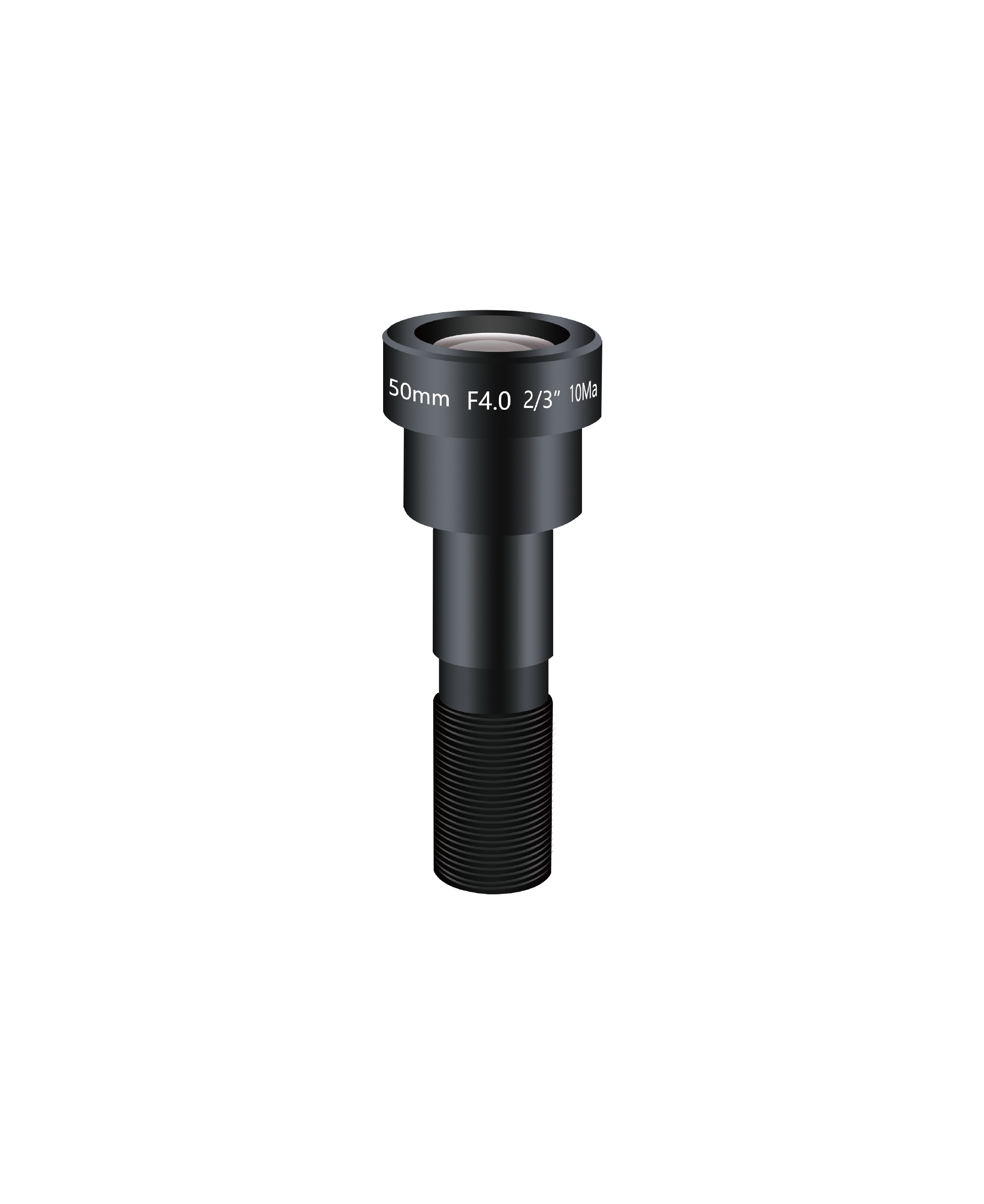
Machine vision lenses are optical devices designed specifically for use in machine vision applications. Unlike standard camera lenses, which are primarily built for consumer photography, machine vision lenses are engineered to deliver optimal performance in controlled environments. They are characterized by their ability to minimize distortion, provide consistent focus across a wide range of conditions, and operate effectively under various lighting conditions.
Understanding the Functionality of Machine Vision Lenses
These lenses function by capturing light from an object and directing it to a camera sensor. The primary goal is to produce images that can be analyzed by computer algorithms for tasks such as quality control, object detection, and dimensional measurements. The precision offered by machine vision lenses makes them essential for various applications, where even the slightest error can lead to significant consequences.
3. Key Components of Machine Vision Lenses
To appreciate the importance of machine vision lenses, it’s vital to understand their key components:
Lens Elements
The lens elements are the glass components that focus light. These can vary in shape and size, and their configuration greatly impacts image quality.
Aperture
The aperture controls the amount of light entering the lens and affects the depth of field. A larger aperture allows more light, which is essential for imaging in low-light conditions.
Focus Mechanism
Precision focusing ensures that the subject of interest is sharp and clear. Many machine vision lenses include manual or automatic focus options to adapt to different imaging needs.
Mounting Interface
The mounting interface determines how the lens attaches to the camera. Standard mounts like C-mount or F-mount are common, but specialized mounts may be necessary in certain applications.
4. Types of Machine Vision Lenses and Their Applications
Machine vision lenses come in various types, each suited for specific applications.
Standard Lenses
These are the most commonly used lenses in machine vision. They provide a balanced performance and are versatile for general imaging tasks.
Telecentric Lenses
Telecentric lenses are designed to minimize perspective errors, ensuring that the size of the object remains consistent regardless of distance from the lens. They are ideal for applications requiring precise measurements.
Wide-Angle Lenses
Wide-angle lenses capture a broader field of view, making them suitable for imaging larger objects or scenes. They are often used in surveillance or monitoring systems.
Macro Lenses
Macro lenses are specialized for close-up imaging, allowing for detailed inspection of small components. They are invaluable in electronics manufacturing and other fields requiring fine detail analysis.
Zoom Lenses
Zoom lenses offer variable focal lengths, allowing for flexibility in capturing images at different distances without needing to change lenses. They are particularly useful in dynamic environments where the subject distance may vary.
5. Importance of Machine Vision Lenses in Various Industries
The impact of machine vision lenses extends across numerous sectors, enhancing efficiency and accuracy.
Manufacturing
In manufacturing, machine vision lenses enable quality control by inspecting parts for defects. Automated systems equipped with these lenses can quickly identify issues, minimizing waste and ensuring product quality.
Healthcare
In healthcare, machine vision lenses assist in medical imaging, providing surgeons and radiologists with clear images for diagnosis and treatment planning. The precision offered by these lenses is crucial for successful outcomes.
Aerospace
Aerospace industries utilize machine vision lenses to inspect components and assemblies for safety and reliability. High-performance lenses are essential for maintaining stringent safety standards.
Automotive
Automotive manufacturing relies on machine vision systems for tasks such as assembly line inspections and robotic guidance. Lenses that can withstand harsh environments while delivering high-quality images are vital.
Pharmaceuticals
In pharmaceuticals, machine vision lenses enable accurate labeling and packaging inspections. They help to ensure compliance with regulations and maintain product integrity.
6. How to Choose the Right Machine Vision Lens
Selecting the right machine vision lens involves several considerations:
Application Requirements
Understand the specific needs of your application. Consider factors such as the working distance, field of view, and required resolution.
Lighting Conditions
Evaluate the lighting conditions of your environment. Some lenses perform better under specific lighting, so choosing a lens that matches your conditions is crucial.
Camera Compatibility
Ensure that the lens is compatible with your camera system. Check the mounting type and sensor size to avoid any compatibility issues.
Budget Constraints
Determine your budget. High-quality machine vision lenses can be a significant investment, so it's essential to balance performance with cost.
7. The Future of Machine Vision Lenses
The future of machine vision lenses is promising, with continuous advancements in optical engineering and materials science. Emerging trends include:
Integration with AI
Integrating machine vision lenses with artificial intelligence (AI) will enhance image processing capabilities, enabling smarter decision-making in real-time.
Enhanced Miniaturization
As devices become smaller, the demand for compact, high-performance lenses will grow. Innovations in miniaturization will allow for more versatile applications.
Advanced Coatings
New optical coatings will improve lens performance in challenging environments, such as those with extreme temperatures or variable lighting.
Sustainability
The push for sustainability will drive manufacturers to develop eco-friendly materials for lenses, without compromising on quality or performance.
8. FAQs about Machine Vision Lenses
What is the primary difference between machine vision lenses and standard camera lenses?
Machine vision lenses are specifically designed for precision applications, minimizing distortion and ensuring consistent image quality, unlike standard camera lenses which prioritize versatility for photography.
How do I know which type of machine vision lens is suitable for my application?
Determine your application requirements, considering factors such as working distance, field of view, and lighting conditions. Consult with lens manufacturers or experts if needed.
Can machine vision lenses be used in outdoor environments?
Yes, but it’s essential to choose lenses with protective features or coatings that can withstand environmental factors like dust, moisture, and varying temperatures.
Are machine vision lenses compatible with all camera systems?
No, compatibility depends on the lens mounting interface and the camera sensor size. Always check specifications before purchasing.
What advancements are currently being made in machine vision lens technology?
Current advancements include AI integration, miniaturization, improved coatings, and the development of sustainable materials to enhance performance and environmental impact.
9. Conclusion
Machine vision lenses are indispensable in the modern imaging landscape, providing the precision and clarity necessary for various critical applications. As industries continue to evolve, the role of these lenses will only become more significant, driving innovations in imaging technology. Understanding the intricacies of machine vision lenses enables businesses to make informed decisions, ensuring they leverage the best tools for their imaging needs. Embracing these advancements will pave the way for greater efficiency, accuracy, and success in an increasingly automated world.


Building No.15, Haixi Hi-Tech Park, Wulongjiang Avenue,
Shangjie Town, Minhou County, Fuzhou, Fujian 350108, P. R. China.

Scan the code
Online Message
Please describe your needs in detail. We will contact you as soon as possible after receiving your message.
Powered by www.300.cn SEO Privacy Notice