Menu

Exploring the World of Machine Vision Lenses: Enhancing Visual Perception in Automation
Release time:
2026-01-06
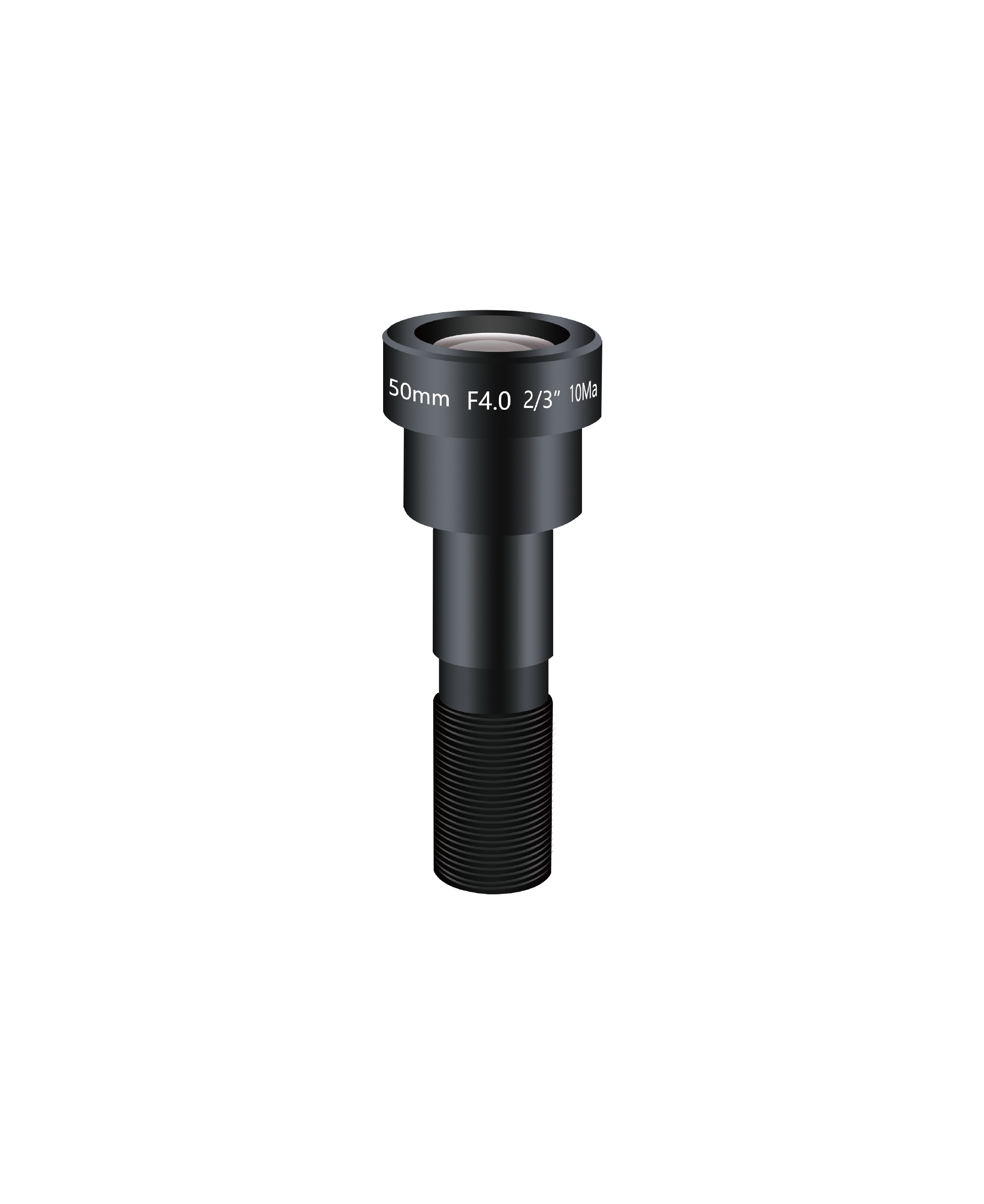
Machine vision lenses are a crucial component in the field of automation, allowing machines to "see" and interpret visual data effectively. These lenses are designed specifically for use in machine vision systems, which are used in myriad industries ranging from manufacturing to healthcare. Unlike conventional camera lenses, machine vision lenses offer a higher degree of precision and are optimize
One of the key aspects of machine vision lenses is their ability to produce sharp images across a wide depth of field. This is particularly important in industrial settings, where objects may be moving or placed at varying distances from the camera. The precise optical design of machine vision lenses allows for minimal distortion and aberrations, ensuring that the images captured are as clear and accurate as possible. This clarity is essential for tasks such as quality control, where even the slightest defect can lead to significant issues down the line.
Furthermore, machine vision lenses come in various types to meet diverse operational needs. For instance, telecentric lenses are designed to maintain consistent magnification regardless of the object's distance from the lens. This feature is vital in applications like dimensional measurement, where accuracy is paramount. On the other hand, wide-angle lenses can capture broader scenes, making them suitable for applications that require monitoring large areas or multiple objects simultaneously.
The integration of machine vision lenses into automated systems not only enhances visual perception but also improves operational efficiency. By enabling machines to conduct inspections and analyses autonomously, these lenses help reduce human error and increase throughput. Industries that implement machine vision technology can achieve higher production rates and improved product quality, ultimately leading to significant cost savings and enhanced competitiveness.
In addition to their technical specifications, understanding the importance of lighting is crucial when working with machine vision lenses. Proper illumination can greatly affect image quality, highlighting the need to consider lighting conditions when designing machine vision systems. Various lighting techniques, such as backlighting, diffuse lighting, and spotlighting, can be employed to optimize image capture, making it easier for the machine vision system to analyze and respond to visual data effectively.
In summary, machine vision lenses are an integral part of modern automation, providing the clarity and precision necessary for machines to interpret visual information accurately. Their specialized designs cater to a wide range of applications, enhancing efficiency and product quality in various industries. As technology continues to advance, the role of these lenses in the automation landscape is likely to grow, further revolutionizing how we approach complex tasks in the digital age.


Building No.15, Haixi Hi-Tech Park, Wulongjiang Avenue,
Shangjie Town, Minhou County, Fuzhou, Fujian 350108, P. R. China.

Scan the code
Online Message
Please describe your needs in detail. We will contact you as soon as possible after receiving your message.
Powered by www.300.cn SEO Privacy Notice