Menu

Ultraviolet Optics: Enhancing Safety in Industrial Applications
Release time:
2025-12-11
Ultraviolet Optics: Enhancing Safety in Industrial Applications In industries where safety is paramount, the role of advanced technologies cannot be overstated. One such technology gaining traction in various industrial applications is **ultraviolet (UV) optics**. This article dives deep into how ultraviolet optics is enhancing safety in industrial settings, ensuring a safer working environment wh
Ultraviolet Optics: Enhancing Safety in Industrial Applications
In industries where safety is paramount, the role of advanced technologies cannot be overstated. One such technology gaining traction in various industrial applications is **ultraviolet (UV) optics**. This article dives deep into how ultraviolet optics is enhancing safety in industrial settings, ensuring a safer working environment while also improving operational efficiency.
Table of Contents
- Introduction to Ultraviolet Optics
- Importance of UV Optics in Industrial Applications
- Types of Ultraviolet Optics
- How UV Optics Works
- Applications of Ultraviolet Optics in Industries
- Benefits of Using Ultraviolet Optics for Safety
- Challenges and Considerations in Implementing UV Optics
- The Future of Ultraviolet Optics in Industrial Safety
- Conclusion
- FAQs
Introduction to Ultraviolet Optics
Ultraviolet optics refers to the branch of optics that deals with the production, manipulation, and detection of ultraviolet light. UV light, which has a shorter wavelength than visible light, plays a crucial role in various applications across multiple industries. The importance of UV optics is rapidly increasing, particularly in enhancing safety protocols in industrial environments.
Understanding Ultraviolet Light
To appreciate the significance of UV optics, it's essential first to understand what ultraviolet light is. UV light is divided into three categories:
- UVA: Long-wave UV radiation (320-400 nm)
- UVB: Medium-wave UV radiation (280-320 nm)
- UVC: Short-wave UV radiation (100-280 nm)
UVC is particularly noteworthy as it is effective in germicidal applications, making it a game-changer in safety measures.
Importance of UV Optics in Industrial Applications
The relevance of UV optics in industrial settings cannot be understated. Industries such as manufacturing, pharmaceuticals, and food processing are now incorporating UV technology as a standard safety practice.
Enhancing Worker Safety
In environments where hazardous materials are involved, UV optics can help monitor and mitigate risks. For example, UV light can be utilized to detect leaks in gas systems, ensuring that workers are not exposed to harmful substances.
Improving Quality Control
UV optics also play a crucial role in quality assurance. By using UV light to inspect surfaces, manufacturers can identify defects that are invisible under normal lighting conditions. This improves product quality and safety over time.
Types of Ultraviolet Optics
Understanding different types of UV optics is essential for choosing the right technology for specific applications. The primary types include:
UV Filters
UV filters are used to block harmful UV radiation while allowing visible light to pass through. They are essential for protecting sensitive equipment and human eyes in industrial settings.
UV Sensors
UV sensors detect and measure UV light intensity. They are invaluable tools for monitoring UV exposure levels and ensuring compliance with safety standards.
UV Lenses
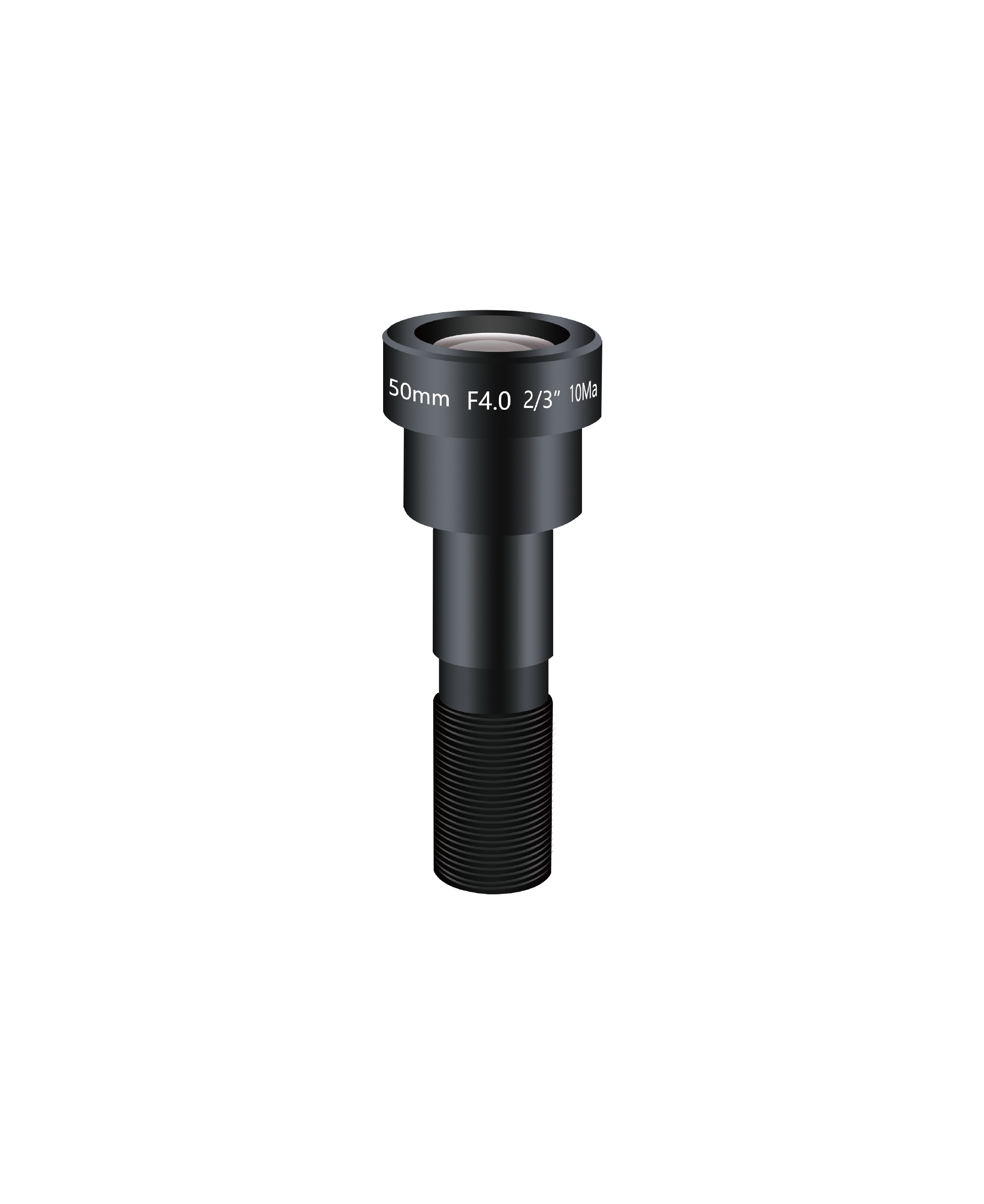
UV lenses are engineered to focus or disperse UV light for various applications. Their designs vary depending on the specific use case, such as in germicidal lamps or inspection equipment.
How UV Optics Works
The mechanics of UV optics involve the manipulation of ultraviolet light through various devices and components. These include lenses, filters, and sensors that can either absorb or transmit UV radiation.
Interaction of UV Light with Materials
UV light interacts with different materials in unique ways, allowing it to be used for sterilization processes, material curing, and even in photovoltaic cells. Understanding this interaction enables industries to utilize UV optics effectively.
Applications of Ultraviolet Optics in Industries
Numerous industries benefit from the applications of UV optics, notably:
Manufacturing
In manufacturing, UV light is frequently used for curing adhesives and coatings. This application not only speeds up the manufacturing process but also ensures safer products by reducing volatile organic compound (VOC) emissions.
Healthcare and Pharmaceuticals
Healthcare facilities employ UV optics in sterilization processes. UV-C light is effective in eliminating bacteria, viruses, and fungi, significantly reducing the risk of infections.
Food and Beverage Industry
UV optics are integral to food safety. UV light can be used to disinfect surfaces and equipment, ensuring that food products remain uncontaminated throughout the production process.
Environmental Monitoring
UV optics also play a role in environmental safety. Sensors equipped with UV optics are used to monitor air and water quality, detecting harmful contaminants that could pose risks to public health.
Benefits of Using Ultraviolet Optics for Safety
Integrating UV optics into industrial applications brings numerous benefits:
Enhanced Safety Standards
The primary benefit of UV optics in industrial applications is the enhancement of safety standards. By effectively detecting hazards and sterilizing environments, companies can protect their employees and stakeholders.
Efficient Processes
UV optics streamline various industrial processes, from curing to sterilization, leading to increased productivity and reduced downtime.
Cost-Effective Solutions
While the initial investment in UV optics may be significant, the long-term savings from increased efficiency and reduced health risks can outweigh these costs.
Challenges and Considerations in Implementing UV Optics
While the benefits are substantial, there are challenges to consider when implementing UV optics in industrial settings:
UV Safety Measures
Workers must be educated about UV safety precautions to prevent skin and eye damage. Implementing safety measures, such as protective gear and controlled environments, is crucial.
Initial Costs
The initial investment in UV equipment can be high, which may deter some businesses. However, understanding the long-term benefits is vital for making informed decisions.
The Future of Ultraviolet Optics in Industrial Safety
The future of UV optics in industrial safety looks promising. With ongoing advancements in technology, we can expect more efficient, cost-effective, and safer applications of UV optics across various industries.
Innovation and Research
Research into new materials and UV technologies will likely yield innovative solutions that enhance safety even further. This includes organic photonic materials that can improve UV efficiency and effectiveness.
Regulatory Standards
As awareness of UV optics grows, regulatory bodies are likely to establish more stringent standards for their use in industrial settings. This will further solidify UV optics as a cornerstone of industrial safety.
Conclusion
In conclusion, ultraviolet optics is transforming the landscape of safety in industrial applications. By enhancing safety protocols, improving quality assurance, and promoting efficiency, UV optics stands as a pivotal technology in modern industries. As we move forward, the continuous advancement of UV technologies will further solidify their role in ensuring safe and efficient industrial environments.
FAQs
1. What are the primary applications of ultraviolet optics in industrial settings?
The primary applications include sterilization in healthcare, quality control in manufacturing, and disinfection in the food and beverage industry.
2. How does UV light help in improving safety?
UV light helps in improving safety by detecting hazardous leaks, sterilizing environments, and ensuring product quality.
3. Are there any safety concerns related to UV optics?
Yes, UV light can pose risks to skin and eyes; thus, appropriate safety measures and protective gear are essential.
4. What types of UV optics are commonly used in industries?
Common types include UV filters, UV sensors, and UV lenses, each serving specific functions in industrial applications.
5. How can companies justify the investment in UV optical technologies?
Companies can justify the investment by considering the long-term benefits of increased efficiency, enhanced safety standards, and reduced health risks.


Building No.15, Haixi Hi-Tech Park, Wulongjiang Avenue,
Shangjie Town, Minhou County, Fuzhou, Fujian 350108, P. R. China.

Scan the code
Online Message
Please describe your needs in detail. We will contact you as soon as possible after receiving your message.
Powered by www.300.cn SEO Privacy Notice