Menu

Exploring the Impact of Machine Vision Lenses in Modern Industries
Release time:
2025-09-24
Machine vision lenses are critical components in the realm of automation and industrial inspection. As a subset of digital imaging technology, these lenses facilitate the capture of high-quality images, allowing machines to interpret visual data for various applications. The importance of a reliable machine vision lenses manufacturer cannot be overstated, as the quality of these lenses directly im
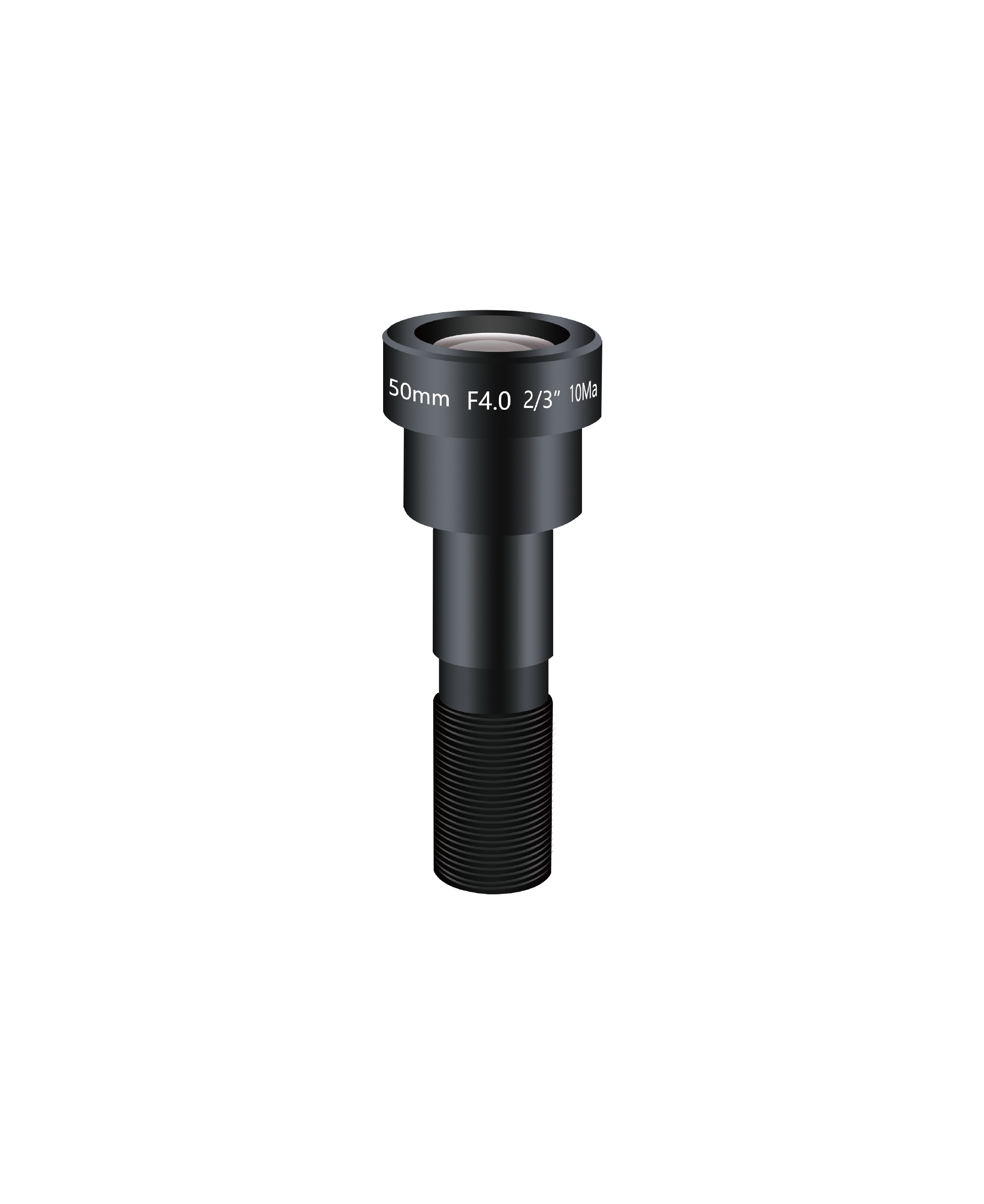
At its core, machine vision is the ability of a computer to interpret visual information from the world, much like a human eye. The primary function of machine vision lenses is to focus light onto a camera sensor, which then converts that light into digital signals for further processing. These lenses are designed to meet specific requirements, such as resolution, field of view, and depth of field, which can vary significantly depending on the application. For instance, lenses used in factory automation for quality control must provide sharp images of small components to ensure accurate inspection.
When selecting a machine vision lenses manufacturer, several factors come into play. First, consider the optical quality of the lenses, which affects the sharpness and clarity of the images captured. High-end manufacturers often utilize advanced optical designs and premium materials to produce lenses that minimize distortion and aberrations, ensuring that the captured images are as accurate as possible.
Another crucial aspect is the compatibility of the lenses with various camera systems. Many machine vision applications utilize different types of cameras, including CCD and CMOS sensors. A reputable manufacturer will offer a range of lens options that cater to different sensor types and sizes, allowing for greater flexibility in system design.
The manufacturing process itself is also worth noting. Quality control in the production of machine vision lenses is essential, as even minor defects can lead to significant issues in imaging performance. Manufacturers often employ rigorous testing procedures to ensure that every lens meets stringent quality standards before it reaches the market.
Furthermore, machine vision lenses can be tailored to meet specific application needs. For instance, some applications may require wide-angle lenses for panoramic views, while others may need telephoto lenses for detailed inspections at a distance. Customization options are an essential service that a reliable manufacturer should provide, allowing businesses to optimize their imaging systems for unique challenges.
In conclusion, understanding the role of machine vision lenses and the capabilities of different manufacturers is vital for professionals in the digital imaging industry. By choosing a high-quality machine vision lenses manufacturer, businesses can enhance their automation processes, improve inspection accuracy, and ultimately drive greater efficiency in their operations. As technology continues to evolve, the importance of sophisticated imaging solutions will only grow, making it imperative for industries to invest in the best optical technologies available.


Building No.15, Haixi Hi-Tech Park, Wulongjiang Avenue,
Shangjie Town, Minhou County, Fuzhou, Fujian 350108, P. R. China.

Scan the code
Online Message
Please describe your needs in detail. We will contact you as soon as possible after receiving your message.
Powered by www.300.cn SEO Privacy Notice