Menu

Understanding Machine Vision Lenses: The Backbone of Automated Imaging
Release time:
2025-09-11
Machine vision lenses are critical components in the realm of automated imaging systems. As a key technology in industries such as manufacturing, logistics, and quality control, these lenses enable machines to capture high-quality images for analysis and interpretation. Understanding the function and importance of machine vision lenses can help businesses improve their operational efficiency and p
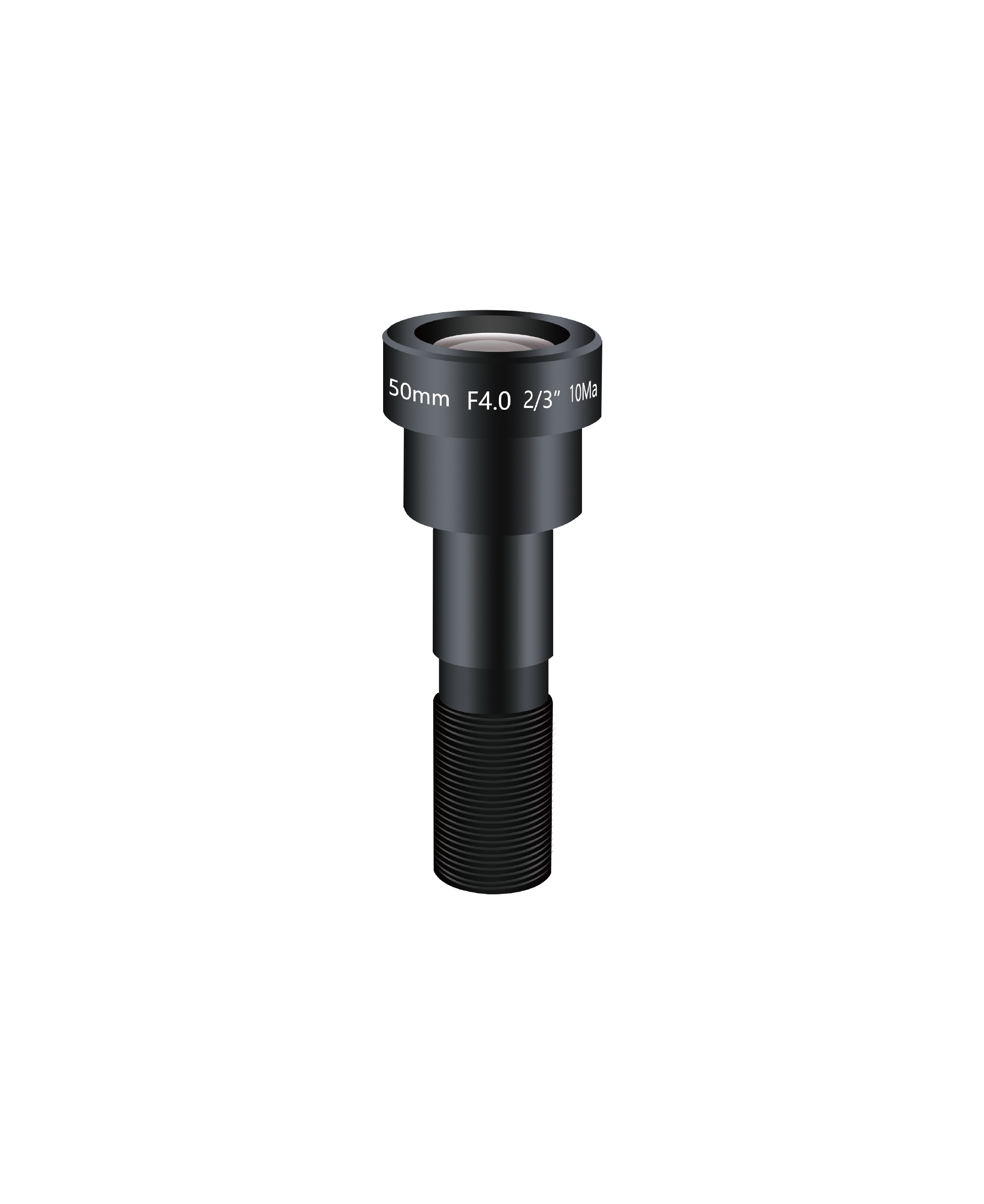
One of the primary functions of machine vision lenses is to focus light onto a sensor, allowing for precise image capture. These lenses come in various types, including fixed focal length, zoom, telecentric, and wide-angle, each designed for specific applications. For example, telecentric lenses are particularly useful in applications where dimensional accuracy is crucial, as they maintain a constant magnification regardless of the object's distance from the lens. This feature makes them ideal for measuring objects in manufacturing processes, where precision is paramount.
When selecting a machine vision lens manufacturer, it’s essential to consider several factors. First, the optical design of the lens plays a significant role in image quality. High-quality lenses minimize distortion and aberrations, ensuring that the images captured are sharp and clear. Additionally, the material used in the lens construction affects performance; for instance, glass lenses typically offer better optical properties than plastic ones.
Another critical aspect to consider is the lens’ compatibility with the camera sensor. Different sensors have varying sizes and resolutions, which can significantly impact the effectiveness of the lens. A reputable machine vision lenses manufacturer will provide comprehensive specifications to help clients choose the right lens for their specific camera setup.
Furthermore, the environment in which the machine vision system operates can influence lens selection. Factors such as temperature, humidity, and exposure to dust or chemicals can affect lens performance. Therefore, many manufacturers offer ruggedized options designed to withstand harsh conditions, ensuring reliable performance in challenging environments.
In recent years, advancements in technology have led to the development of smart lenses equipped with integrated sensors and connectivity features. These innovative designs allow for real-time data transmission and analysis, further enhancing the capabilities of machine vision systems. As industries increasingly adopt automation, the demand for sophisticated machine vision lenses is expected to grow.
In conclusion, selecting the right machine vision lenses is crucial for any business looking to leverage automated imaging technology. By understanding the various types of lenses available and the factors that influence their performance, companies can make informed decisions that will enhance their operational efficiency, product quality, and overall success. Whether you're in manufacturing, quality control, or logistics, investing in high-quality machine vision lenses from a reputable manufacturer is a step towards achieving your automation goals.


Building No.15, Haixi Hi-Tech Park, Wulongjiang Avenue,
Shangjie Town, Minhou County, Fuzhou, Fujian 350108, P. R. China.

Scan the code
Online Message
Please describe your needs in detail. We will contact you as soon as possible after receiving your message.
Powered by www.300.cn SEO Privacy Notice