Menu

Understanding Telecentric Lenses: A Guide for Professionals
Release time:
2025-10-10
Telecentric lenses are a specialized type of optical lens that are designed to maintain a constant magnification regardless of the distance from the object being imaged. This unique characteristic makes them particularly valuable in applications where precision and accuracy are crucial, such as in metrology, machine vision, and various other industrial processes. One of the defining features of te
Telecentric lenses are a specialized type of optical lens that are designed to maintain a constant magnification regardless of the distance from the object being imaged. This unique characteristic makes them particularly valuable in applications where precision and accuracy are crucial, such as in metrology, machine vision, and various other industrial processes.
One of the defining features of telecentric lenses is that they minimize perspective errors. In traditional lenses, the angle at which light rays enter the lens can affect the resulting image size and dimensions, leading to inaccuracies in measurements. However, telecentric lenses are engineered so that the light rays entering the lens are parallel, ensuring that any object viewed through the lens appears the same size, regardless of its position within the field of view. This property is essential for applications requiring high precision, such as quality control in manufacturing settings and scientific research.
Telecentric lenses also provide a greater depth of field compared to conventional lenses. This means that more of the object remains in focus, which is particularly advantageous when working with three-dimensional objects. As a result, telecentric lenses are widely used in automated inspection systems, where the entire surface of an object must be evaluated without the need for constant refocusing.
Besides their optical advantages, the design and construction of telecentric lenses can greatly impact their performance. Factors such as the lens material, coatings, and numerical aperture play significant roles in determining image quality and light transmission. High-quality telecentric lenses are typically made from low-dispersion glass and are coated with anti-reflective coatings to enhance clarity and reduce glare.
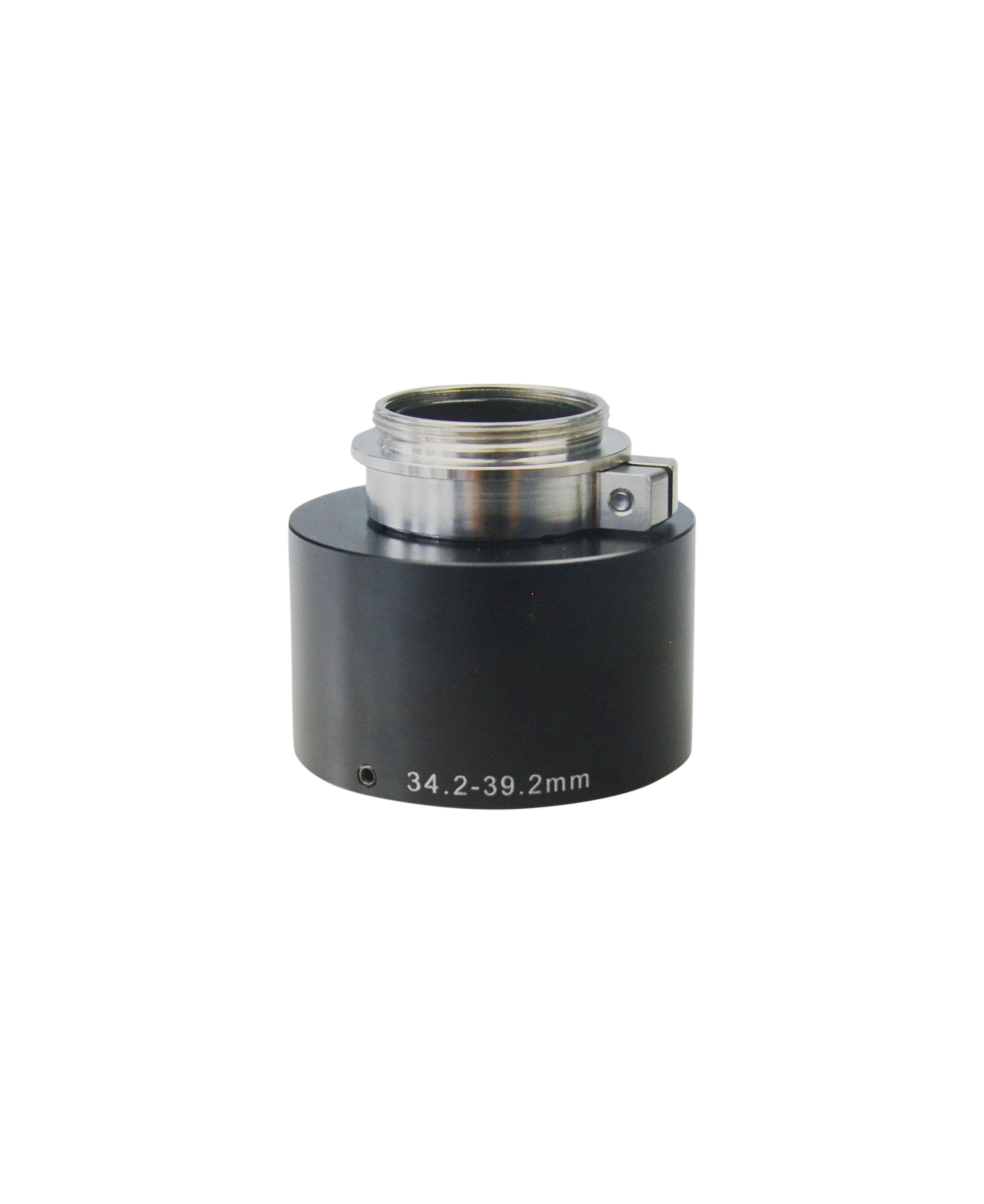
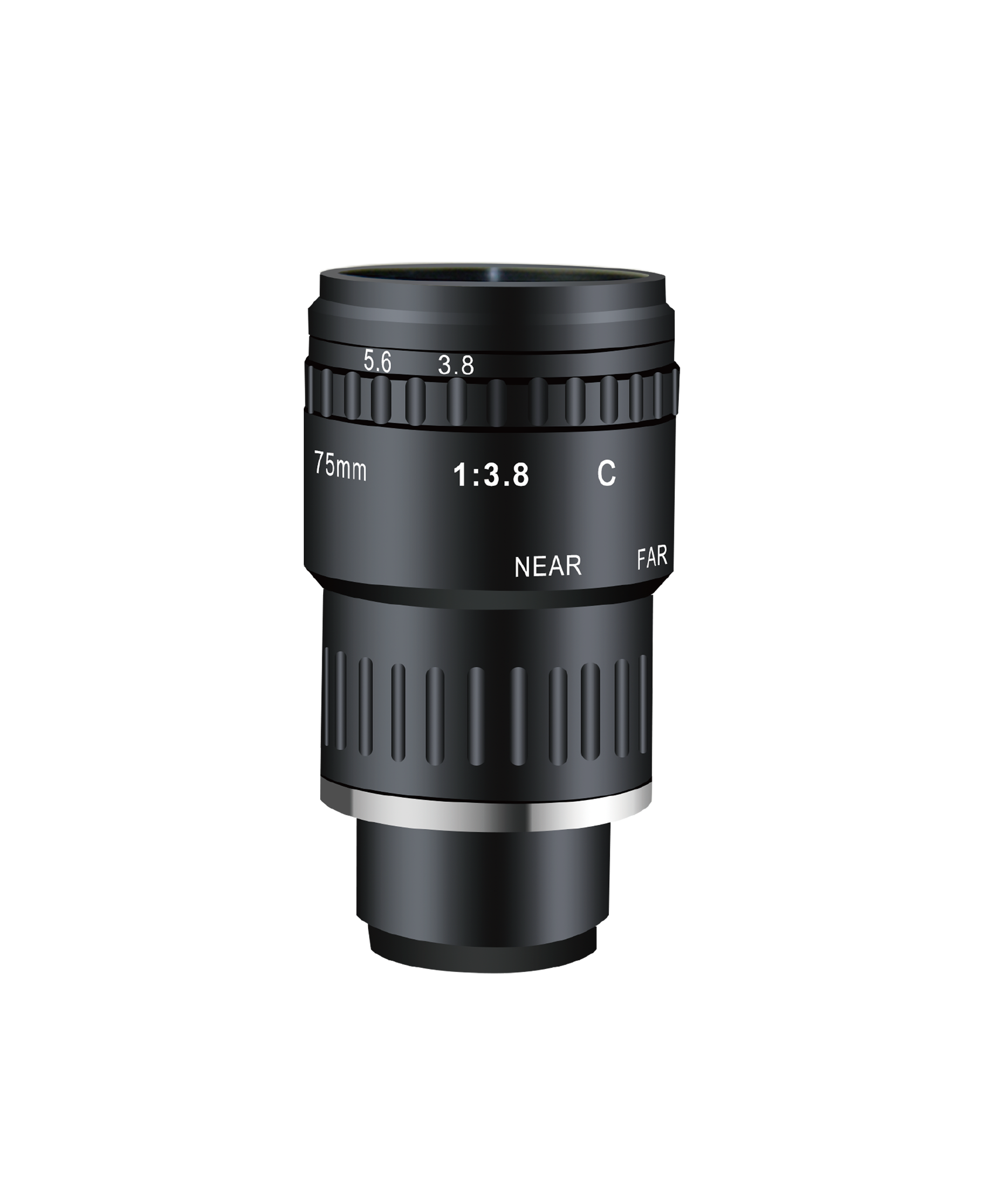
For industries involved in the development and export of optical instruments, understanding the nuances of telecentric lenses is vital. As a telecentric lenses exporter, it is important to offer clients comprehensive information on the specifications and capabilities of these lenses. This includes their suitability for specific applications, compatibility with different imaging systems, and any additional features that may enhance performance.
In conclusion, telecentric lenses are an essential component in the realm of optical instruments, providing unparalleled accuracy and consistency in imaging. Their unique design addresses common issues associated with standard lenses, making them indispensable in various industrial and scientific applications. For professionals in the optical lens industry, staying informed about telecentric lenses and their advantages is key to meeting the evolving needs of clients and advancing technological innovation.

Building No.15, Haixi Hi-Tech Park, Wulongjiang Avenue,
Shangjie Town, Minhou County, Fuzhou, Fujian 350108, P. R. China.

Scan the code
Online Message
Please describe your needs in detail. We will contact you as soon as possible after receiving your message.
Powered by www.300.cn SEO Privacy Notice