Menu
English
Current Language: English


Integrating Machine Vision Lenses into Your Workflow: Key Considerations for Optimal Performance
Integrating Machine Vision Lenses into Your Workflow: Key Considerations for Optimal Performance
Table of Contents
1. Introduction to Machine Vision Lenses
2. Understanding Machine Vision and Its Applications
3. Importance of Lenses in Machine Vision Systems
4. Choosing the Right Machine Vision Lens
4.1 Types of Machine Vision Lenses
4.2 Focal Length Considerations

Enhancing Semiconductor Manufacturing with Advanced Inspection Optics
In the realm of semiconductor manufacturing, precision and quality control are paramount. Semiconductor inspection optics play a vital role in ensuring that the components used within electronic devices meet stringent quality standards. These optics are designed to enhance the effectiveness of inspection processes, allowing for high-resolution imaging, exceptional contrast, and accurate detection
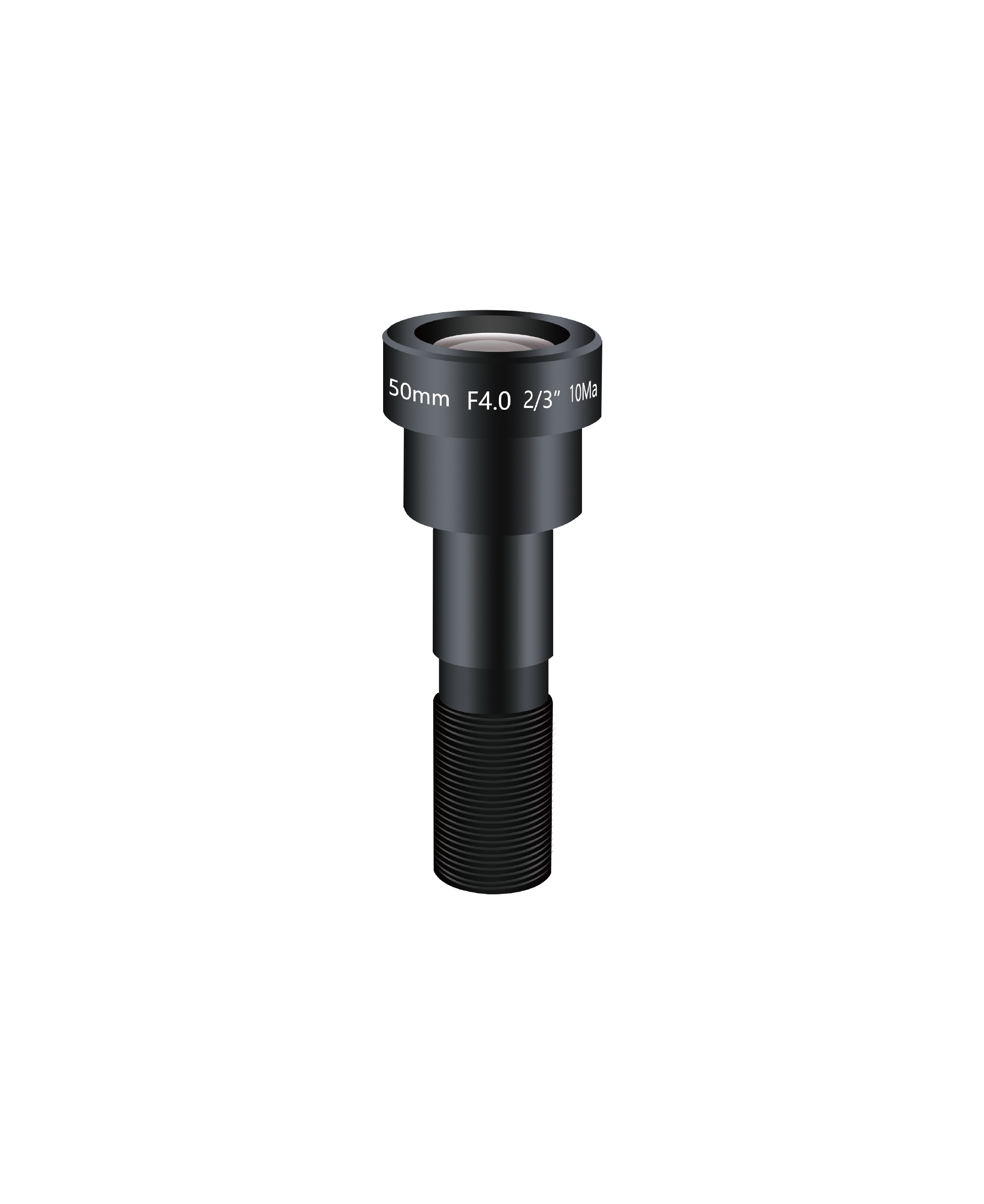
A Deep Dive into Telecentric Lenses for Image Processing: Understanding Their Unique Advantages
A Deep Dive into Telecentric Lenses for Image Processing
Table of Contents
1. Introduction to Telecentric Lenses
2. What Are Telecentric Lenses?
3. How Do Telecentric Lenses Work?
4. Advantages of Telecentric Lenses in Image Processing
5. Applications of Telecentric Lenses in Various Industries
6. Choosing the Right Telecentric Lens for Your Needs
7. Common Misconceptions About Tele
10-12
2026
Laser welding lenses play a critical role in modern optical applications, particularly in the field of laser welding. These specialized lenses are designed to focus and direct the laser beam onto the material being welded, ensuring precision and efficiency during the welding process. Understanding the intricacies of laser welding lenses is essential for professionals in the optics industry, especi
10-09
2026
The Impact of Ultraviolet Optics on Environmental Monitoring Instruments
Environmental monitoring is essential for assessing air, water, and soil quality, ensuring public health, and safeguarding ecosystems. In recent years, advances in ultraviolet (UV) optics have significantly enhanced the capabilities of various environmental monitoring instruments. This article explores the profound impact of
10-06
2026
Machine vision lenses are a crucial component in the realm of imaging technologies, particularly in automation, quality control, and various industrial applications. These lenses are specifically designed to capture images with high clarity and precision, making them indispensable for machine vision systems. When considering machine vision lenses, several key factors come into play that can influe
10-03
2026
The Complex World of Semiconductor Inspection
The semiconductor industry plays a crucial role in modern technology, powering everything from smartphones to sophisticated computer systems. As the demand for smaller, faster, and more efficient devices grows, so does the complexity of semiconductor manufacturing processes. One of the most critical aspects of semiconductor production is inspection. Th
09-30
2026
Telecentric lenses are a specialized type of optical lens used predominantly in applications requiring high precision and consistent measurements. Unlike conventional lenses, telecentric lenses maintain a constant magnification regardless of the object's distance from the lens. This characteristic is particularly beneficial in industrial and scientific settings, where accuracy is paramount.
The un
09-27
2026
Evaluating Cost vs. Quality in Laser Welding Lenses
Table of Contents
1. Introduction to Laser Welding Lenses
2. Importance of Quality in Laser Welding Lenses
3. Factors Influencing the Cost of Laser Welding Lenses
4. Key Indicators of Quality in Laser Welding Lenses
5. Cost vs. Quality: Making the Right Choice
6. Evaluating Your Options: Budget vs. Perform
09-24
2026
Ultraviolet optics refers to the technology and materials used to manipulate ultraviolet (UV) light, which has wavelengths shorter than visible light but longer than X-rays, typically ranging from 10 nm to 400 nm. This area of optics plays a crucial role in a variety of applications, including spectroscopy, photolithography, and biomedical imaging. Understanding the principles and components of ul
09-21
2026
The Science Behind Machine Vision Lenses: Understanding Optical Performance
Table of Contents
1. Introduction to Machine Vision Lenses
2. What is Optical Performance?
3. Key Characteristics of Machine Vision Lenses
3.1 Focal Length and Field of View
3.2 Aperture and Light Gathering Ability
3.3 Distortion and Aberration
3.4 Resolution and Image Quality
4. The Role of Lens Material
Building No.15, Haixi Hi-Tech Park, Wulongjiang Avenue,
Shangjie Town, Minhou County, Fuzhou, Fujian 350108, P. R. China.

Scan the code
Online Message
Please describe your needs in detail. We will contact you as soon as possible after receiving your message.
Powered by www.300.cn SEO Privacy Notice