Menu

Delivering Exceptional Clarity for Advanced Optical Applications
Release time:
2026-03-04
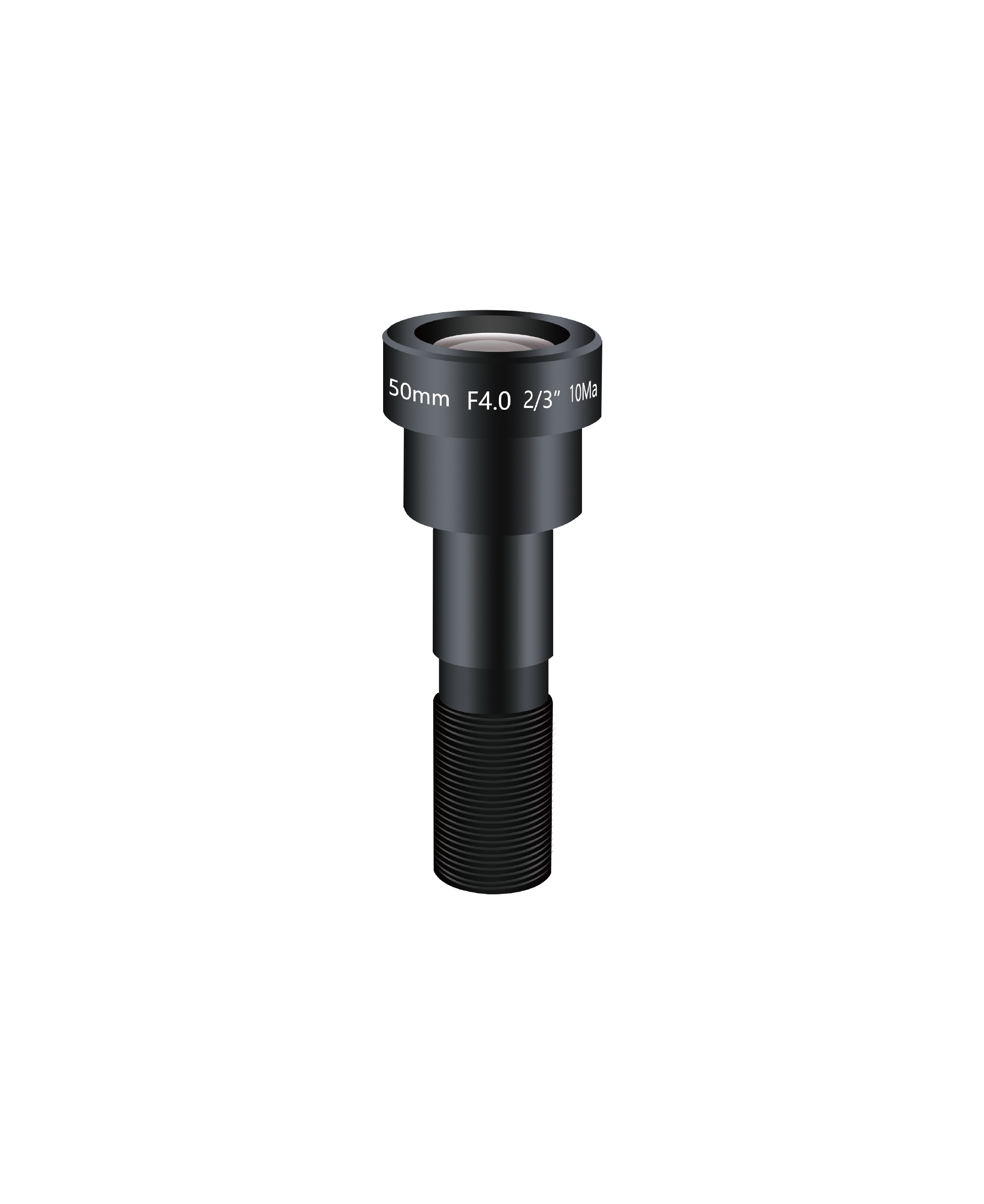
High-resolution lenses deliver sharp images with precise detail, ideal for cameras, microscopes, and optical systems requiring clarity and accuracy.
High-Resolution Lenses are precision-engineered optical components designed to produce images with outstanding sharpness, clarity, and detail. They play a crucial role in modern imaging systems where accuracy and visual performance are essential. From professional photography and cinematography to industrial inspection, medical imaging, and scientific research, high-resolution lenses ensure that even the finest details are captured with precision.
The core function of a high-resolution lens is to accurately focus light onto an image sensor or film while minimizing distortion and optical errors. These lenses are manufactured using premium optical glass materials with carefully controlled refractive properties. Advanced lens designs often incorporate multiple elements arranged in complex groups to reduce aberrations such as spherical aberration, chromatic aberration, field curvature, and astigmatism. By correcting these imperfections, the lens delivers crisp images across the entire frame, including the edges.
One of the defining characteristics of high-resolution lenses is their ability to support high megapixel sensors. As digital imaging technology advances, image sensors continue to increase in resolution. To fully utilize these sensors, lenses must be capable of resolving extremely fine details without loss of contrast. High-resolution lenses are optimized to maintain high modulation transfer function (MTF) performance, ensuring excellent contrast and detail reproduction even at high spatial frequencies.
Lens coatings are another critical aspect of performance. Multi-layer anti-reflective coatings are applied to lens surfaces to reduce light reflection and increase transmission efficiency. These coatings improve image brightness and contrast while minimizing flare and ghosting caused by strong light sources. In addition, some lenses feature special protective coatings that resist scratches, moisture, dust, and oil, enhancing durability and reliability in challenging environments.
High-resolution lenses are available in various focal lengths and configurations to meet diverse application needs. Wide-angle lenses capture expansive scenes with minimal distortion, while telephoto lenses allow users to magnify distant subjects with clarity. Macro lenses are specifically designed for close-up photography, enabling detailed imaging of small objects. In industrial settings, fixed focal length lenses are commonly used in machine vision systems for precise measurement and quality control.
Durability and mechanical precision are equally important. High-quality lens housings are constructed from robust materials such as aluminum alloy or engineered plastics to maintain structural stability. Precision focusing mechanisms and aperture controls ensure smooth and accurate adjustments. In industrial and outdoor applications, lenses may be sealed against water and dust to meet environmental protection standards.
In medical and scientific fields, high-resolution lenses support advanced diagnostic equipment such as endoscopes, microscopes, and imaging systems. Accurate optical performance enables professionals to observe fine structures, detect abnormalities, and conduct detailed analysis. In manufacturing, these lenses are integrated into automated inspection systems to identify defects and ensure product quality.
As imaging demands continue to grow across industries, high-resolution lenses remain fundamental to achieving superior visual results. By combining advanced optical design, premium materials, and precise engineering, they provide reliable performance in applications that require the highest level of image clarity and accuracy.


Building No.15, Haixi Hi-Tech Park, Wulongjiang Avenue,
Shangjie Town, Minhou County, Fuzhou, Fujian 350108, P. R. China.

Scan the code
Online Message
Please describe your needs in detail. We will contact you as soon as possible after receiving your message.
Powered by www.300.cn SEO Privacy Notice