Menu

High-Resolution Imaging Lenses: Precision Optics for Advanced Imaging Applications
Release time:
2025-12-04
High-resolution imaging lenses deliver sharp, clear, and precise images, minimizing distortion and capturing fine details for professional applications.
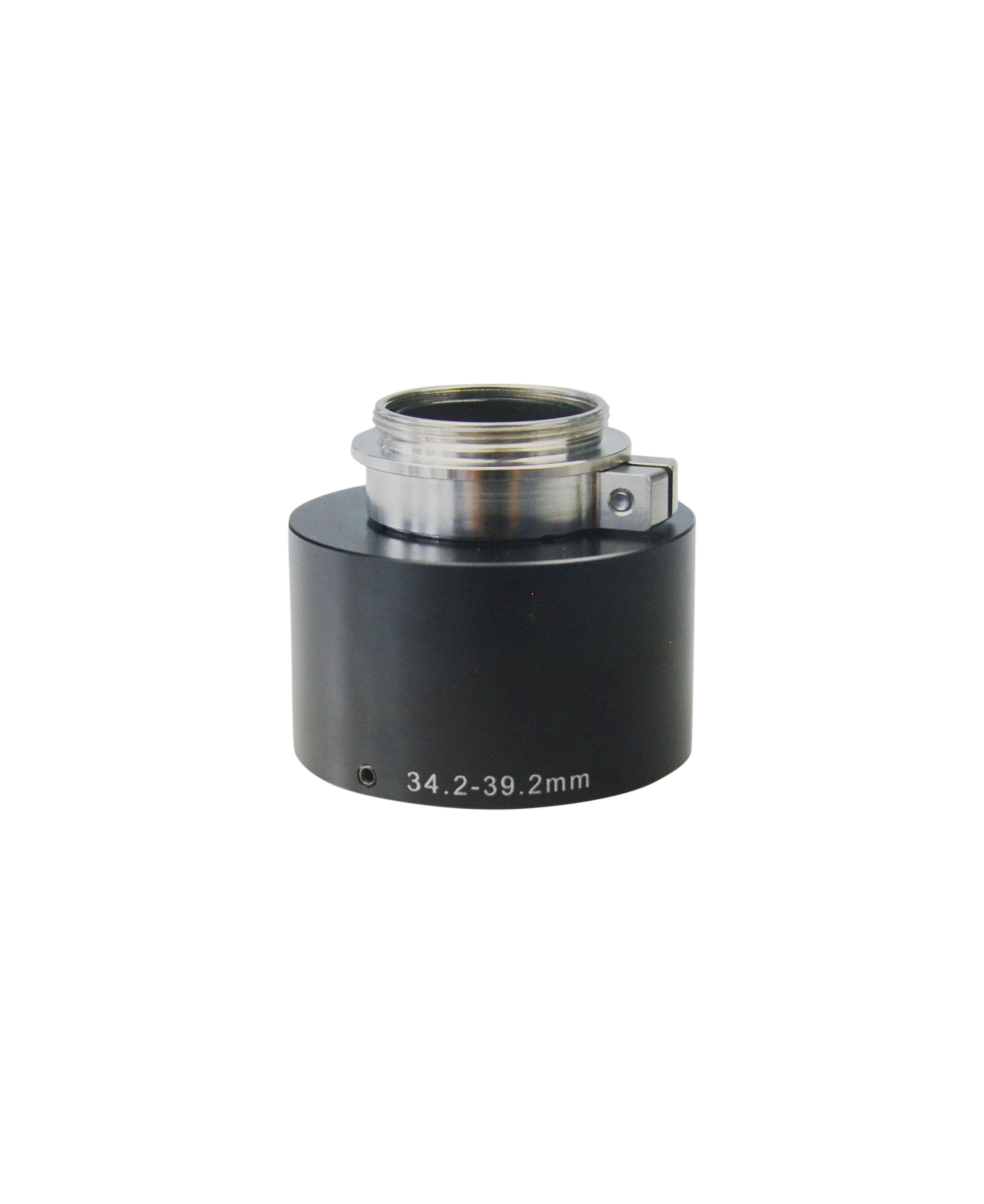
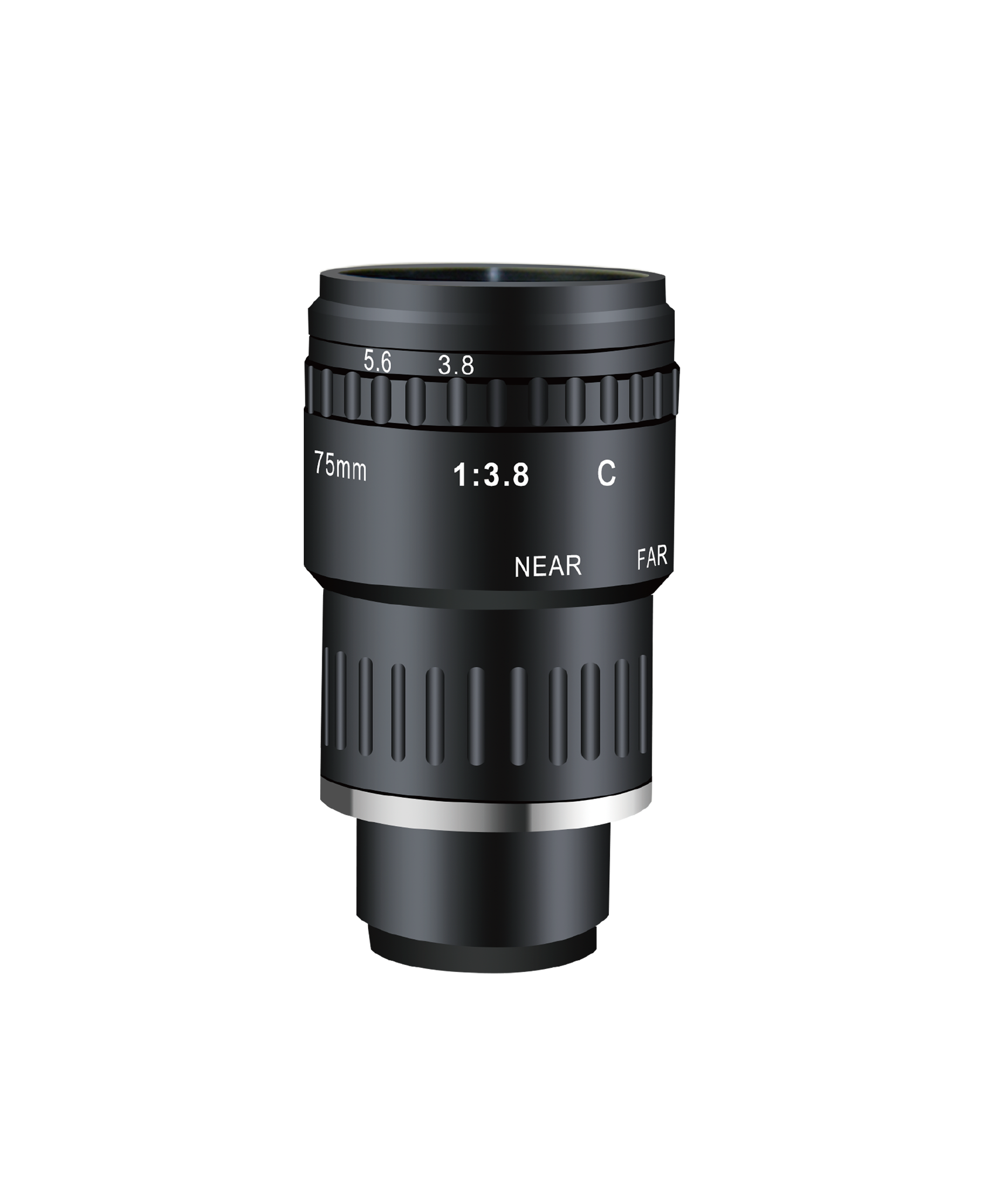
High-resolution imaging lenses are essential components in modern optical systems, playing a critical role in capturing detailed, sharp, and accurate images across a variety of fields. From scientific research and industrial inspection to professional photography and medical imaging, these lenses are engineered to provide superior optical performance, minimizing aberrations and maximizing clarity.
At the core of high-resolution lenses is precision engineering. Manufacturers utilize advanced glass materials, sophisticated lens coatings, and meticulous alignment techniques to ensure that every lens element contributes to optimal image quality. Anti-reflective coatings reduce glare and unwanted reflections, while aspherical and low-dispersion elements correct chromatic and spherical aberrations, resulting in crisp, distortion-free images.
High-resolution imaging lenses are particularly vital in microscopy, where capturing minute cellular structures or intricate material surfaces is necessary. In industrial applications, these lenses enable high-precision inspection of electronics, semiconductors, and mechanical components, ensuring quality control at microscopic scales. Similarly, in medical imaging, they facilitate detailed visualization of tissues and organs, contributing to more accurate diagnoses and treatment planning.
Another important consideration is the lens’ resolution capability, which determines how finely it can reproduce details. Resolution is influenced by the numerical aperture, focal length, and optical design. High-end lenses often feature large apertures and sophisticated element configurations to capture maximum light and minimize diffraction, enhancing both brightness and detail. Additionally, these lenses must maintain consistent performance across the entire frame, avoiding edge softness that could compromise image integrity.
In the realm of professional photography and cinematography, high-resolution lenses allow photographers and videographers to produce images with remarkable detail, sharpness, and color fidelity. They are indispensable for capturing landscapes, architectural details, and intricate textures. Advanced imaging systems, such as drones, telescopes, and scientific cameras, also rely on these lenses to achieve accurate, high-quality imaging under challenging environmental conditions.
Furthermore, the integration of digital technologies has expanded the capabilities of high-resolution imaging lenses. Modern lenses are designed to complement high-megapixel sensors, ensuring that the sensor’s resolution is fully utilized without optical limitations. Innovations such as image stabilization, autofocus precision, and multi-coating technology enhance usability while preserving image quality.
Maintenance and handling of high-resolution lenses are equally important. Dust, scratches, and improper storage can degrade optical performance. Users are advised to clean lenses with appropriate tools, avoid exposure to extreme conditions, and use protective covers when not in use. Proper calibration and periodic inspection can extend the lifespan of these precision instruments, ensuring long-term reliability.
In conclusion, high-resolution imaging lenses represent the pinnacle of optical engineering, combining sophisticated design, advanced materials, and meticulous manufacturing processes to deliver unparalleled imaging performance. Whether in scientific research, industrial inspection, medical imaging, or professional photography, these lenses provide the clarity, precision, and reliability necessary to capture the finest details, supporting innovation and excellence across numerous fields.
Previous Page:

Building No.15, Haixi Hi-Tech Park, Wulongjiang Avenue,
Shangjie Town, Minhou County, Fuzhou, Fujian 350108, P. R. China.

Scan the code
Online Message
Please describe your needs in detail. We will contact you as soon as possible after receiving your message.
Powered by www.300.cn SEO Privacy Notice