Menu

Precision Optical Lenses: Advanced Optical Components for High-Performance Imaging and Light Control
Release time:
2026-06-04
Precision optical lenses are engineered for superior light transmission, accurate imaging, and high-performance applications in cameras, medical devices, lasers, and scientific instruments. (120 characters)
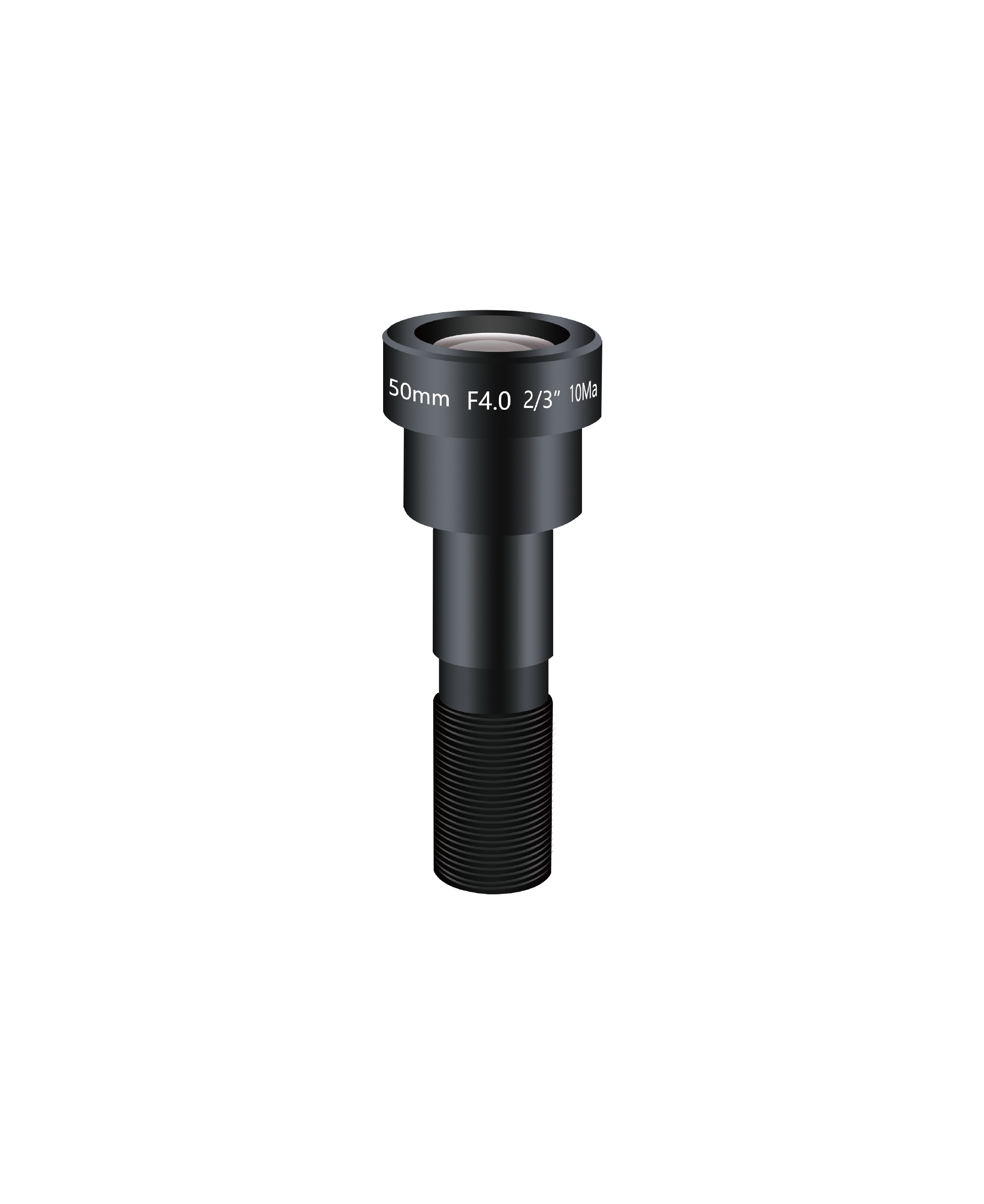
Precision Optical Lenses are highly engineered optical components designed to manipulate, focus, transmit, or disperse light with exceptional accuracy. Manufactured using premium optical glass, fused silica, sapphire, or advanced polymer materials, these lenses play a critical role in a wide range of industries, including photography, medical technology, scientific research, aerospace, defense, telecommunications, industrial automation, and consumer electronics.
The performance of an optical system largely depends on the quality and precision of its lenses. Precision optical lenses are produced through advanced grinding, polishing, centering, coating, and inspection processes to ensure superior optical performance and dimensional accuracy. Every lens is carefully manufactured to meet strict specifications for focal length, surface quality, radius of curvature, thickness tolerance, and optical transmission.
These lenses are available in various designs and configurations, including plano-convex lenses, plano-concave lenses, bi-convex lenses, bi-concave lenses, meniscus lenses, cylindrical lenses, aspherical lenses, achromatic lenses, and custom optical assemblies. Each lens type is engineered to address specific optical requirements such as image magnification, beam shaping, focusing, collimation, and aberration correction.
One of the key advantages of precision optical lenses is their ability to provide outstanding image quality. Through advanced surface finishing techniques and strict quality control, optical distortions such as spherical aberration, chromatic aberration, astigmatism, and field curvature can be minimized. This results in sharper images, higher resolution, improved contrast, and enhanced optical efficiency.
Modern precision optical lenses often incorporate advanced optical coatings to optimize performance. Anti-reflective (AR) coatings reduce unwanted reflections and maximize light transmission. High-reflective coatings improve mirror performance in optical systems. Scratch-resistant coatings enhance durability, while specialized coatings such as UV, infrared, and laser coatings enable lenses to perform effectively in specific wavelength ranges.
In the medical industry, precision optical lenses are widely used in endoscopes, surgical microscopes, diagnostic imaging systems, ophthalmic devices, and laser treatment equipment. Their exceptional optical clarity and reliability help healthcare professionals achieve accurate diagnoses and perform delicate medical procedures with confidence.
In scientific research and laboratory applications, optical lenses are essential components in microscopes, spectrometers, telescopes, imaging systems, and analytical instruments. Researchers rely on high-precision optics to capture detailed observations, perform accurate measurements, and conduct advanced experiments across various scientific disciplines.
Industrial automation and machine vision systems also depend heavily on precision optical lenses. In manufacturing environments, machine vision cameras equipped with high-quality lenses enable automated inspection, measurement, positioning, and quality control processes. The accuracy of these systems directly affects production efficiency, product quality, and operational reliability.
In the telecommunications sector, optical lenses are used in fiber optic communication systems, optical transceivers, laser modules, and photonic devices. Their precise light-guiding capabilities support high-speed data transmission and stable network performance in modern communication infrastructures.
The aerospace and defense industries require optical lenses capable of operating under extreme environmental conditions. Precision optics used in surveillance systems, targeting devices, navigation equipment, satellites, and airborne imaging systems are designed to withstand temperature fluctuations, vibration, shock, and harsh operating environments while maintaining exceptional optical performance.
Consumer electronics represent another major application area for precision optical lenses. Smartphone cameras, digital cameras, projectors, augmented reality devices, virtual reality systems, and wearable technologies all rely on sophisticated optical components to deliver high-quality visual experiences. As demand for compact and high-performance devices continues to grow, manufacturers increasingly require miniature precision lenses with advanced optical capabilities.
Quality assurance is a critical aspect of precision optical lens manufacturing. Advanced metrology equipment, interferometers, coordinate measuring machines, surface profilometers, and optical testing systems are used throughout production to verify lens accuracy and performance. Each lens undergoes rigorous inspection to ensure compliance with international quality standards and customer specifications.
Customization services are often available to meet specialized application requirements. Manufacturers can produce lenses with custom dimensions, materials, coatings, focal lengths, and surface geometries according to specific project needs. This flexibility enables engineers and designers to optimize optical systems for unique operational conditions and performance targets.
Environmental sustainability is becoming increasingly important in optical manufacturing. Modern production facilities utilize efficient processes, waste reduction measures, and environmentally responsible materials to minimize environmental impact while maintaining high product quality.
With continuous advancements in optical engineering, manufacturing technology, and material science, precision optical lenses continue to evolve to meet the growing demands of emerging applications such as autonomous vehicles, artificial intelligence vision systems, quantum technologies, biomedical imaging, and advanced laser processing.
Whether used for scientific discovery, medical innovation, industrial automation, communication networks, or consumer products, precision optical lenses provide the optical accuracy, reliability, and performance required for today's most demanding applications. Their superior design, exceptional manufacturing quality, and versatile functionality make them indispensable components in modern optical systems worldwide.


Building No.15, Haixi Hi-Tech Park, Wulongjiang Avenue,
Shangjie Town, Minhou County, Fuzhou, Fujian 350108, P. R. China.

Scan the code
Online Message
Please describe your needs in detail. We will contact you as soon as possible after receiving your message.
Powered by www.300.cn SEO Privacy Notice